
Pet-Proofing Your Custom Home: Essential Tips for Pet-Friendly Living in Central Virginia
Pets are family. Whether you have an energetic puppy, a curious cat, or a menagerie of furry friends, designing a custom home that accommodates both human and animal needs doesn't mean sacrificing style or functionality. In fact, with thoughtful planning, you can create a beautiful custom home that's perfectly suited for life with pets.
At Keel Custom Homes, “Custom homes. Simplified.” means building spaces that work for your entire family—paws and all. Here's your comprehensive guide to pet-proofing your custom home, from flooring choices to outdoor spaces, ensuring years of happy cohabitation with your four-legged companions.
Choosing the Right Flooring for Pets
Your flooring choice is perhaps the single most important decision when pet-proofing your home. It needs to withstand scratches, accidents, muddy paws, and daily wear while still looking beautiful.
Best Flooring Options for Pet Owners
Luxury Vinyl Plank (LVP) The gold standard for pet-friendly flooring, LVP offers the look of hardwood with superior durability. It's waterproof, scratch-resistant, and easy to clean. Modern LVP is nearly indistinguishable from real hardwood, making it an excellent choice for pet owners who don't want to compromise on aesthetics.

Photo by Courtney Vitale on Unsplash
Tile Ceramic or porcelain tile is virtually indestructible and completely waterproof. It's ideal for mudrooms, entryways, and kitchens where pets spend time. While it can be cold underfoot, area rugs can add warmth and comfort. Tile is also cool in summer—something many dogs appreciate.
Sealed Hardwood If you're set on real hardwood, choose harder woods like oak or maple over softer options like pine. Ensure floors are properly sealed with a durable finish. While hardwood can show scratches over time, many pet owners embrace this as part of their home's character. Keep your pet's nails trimmed to minimize damage.
Flooring to Avoid with Pets
Carpet: Traps pet hair, absorbs odors, and shows stains. If you must have carpet in bedrooms, choose stain-resistant varieties and consider darker colors or patterns that hide dirt.
Bamboo: Despite being marketed as durable, bamboo scratches more easily than traditional hardwood.
Laminate: Unlike LVP, traditional laminate isn't waterproof and can swell if exposed to pet accidents.
The Mudroom: A Pet Owner's Best Friend
A well-designed mudroom is invaluable for pet owners. Keel Custom Homes incorporates mudrooms in many floor plans, including the Vero, Bonaire, and Kiawah—and for good reason.
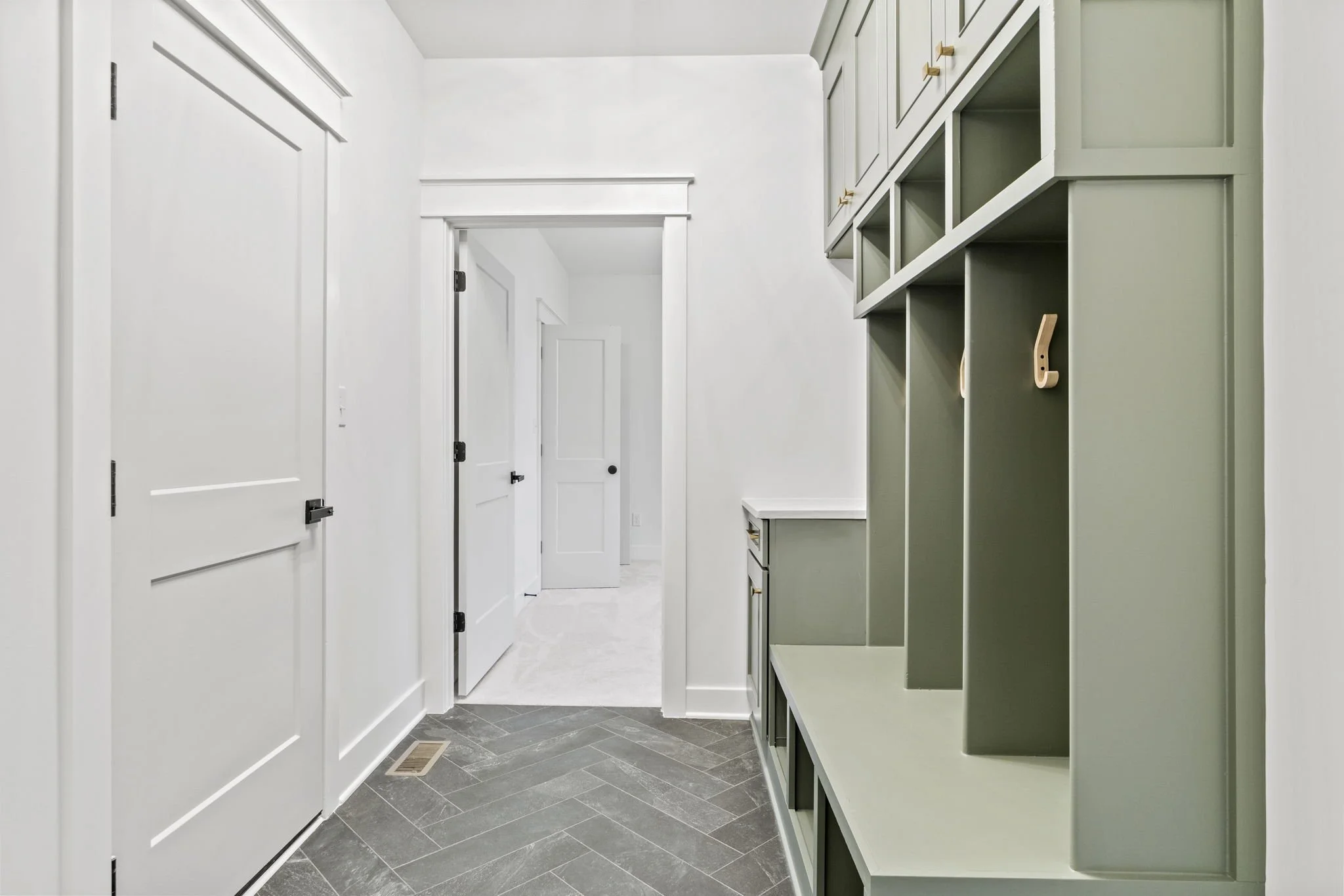
Mudroom Built-In Storage
Essential Mudroom Features for Pet Owners
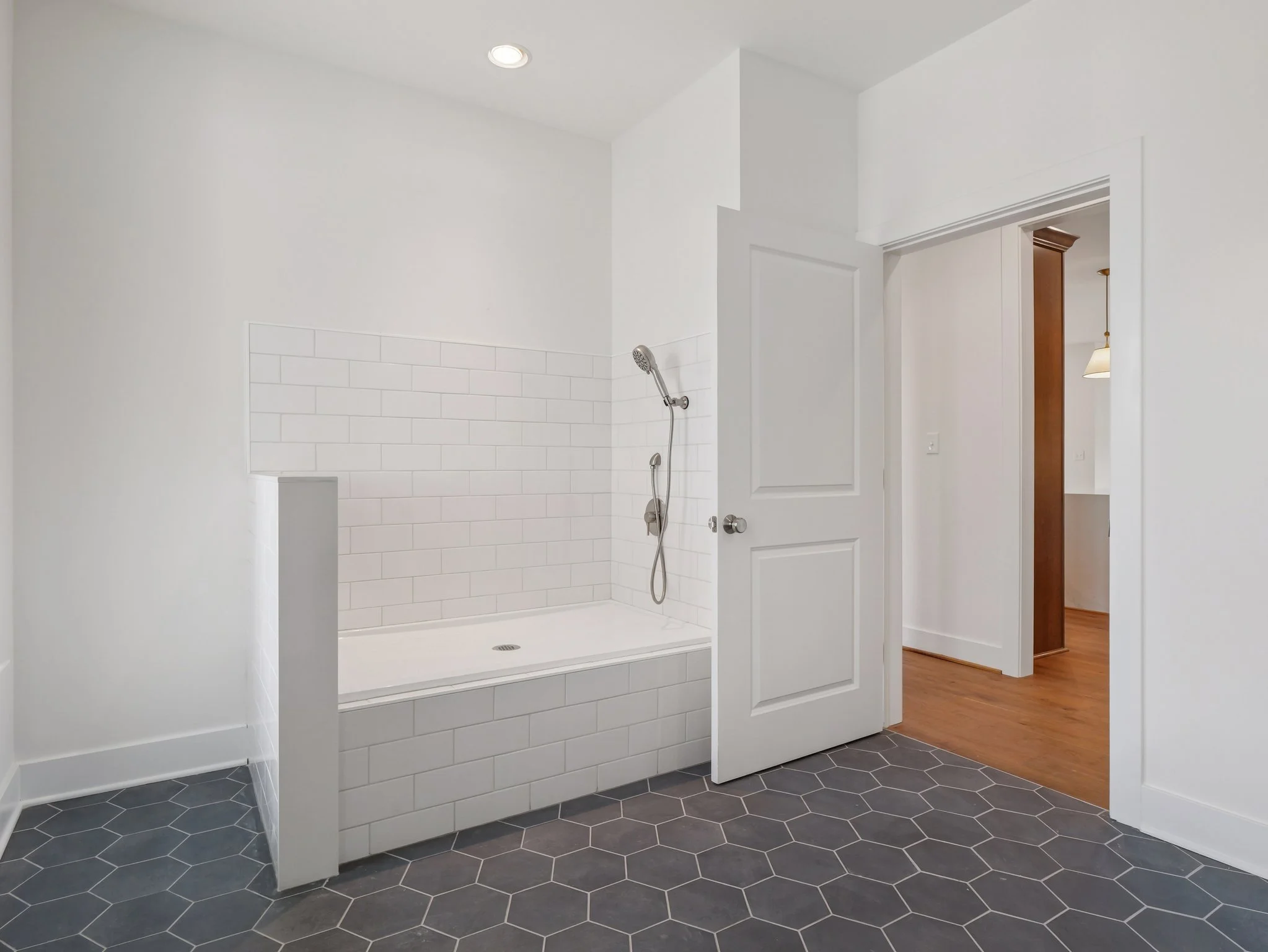
A Keel Custom Doggy Shower
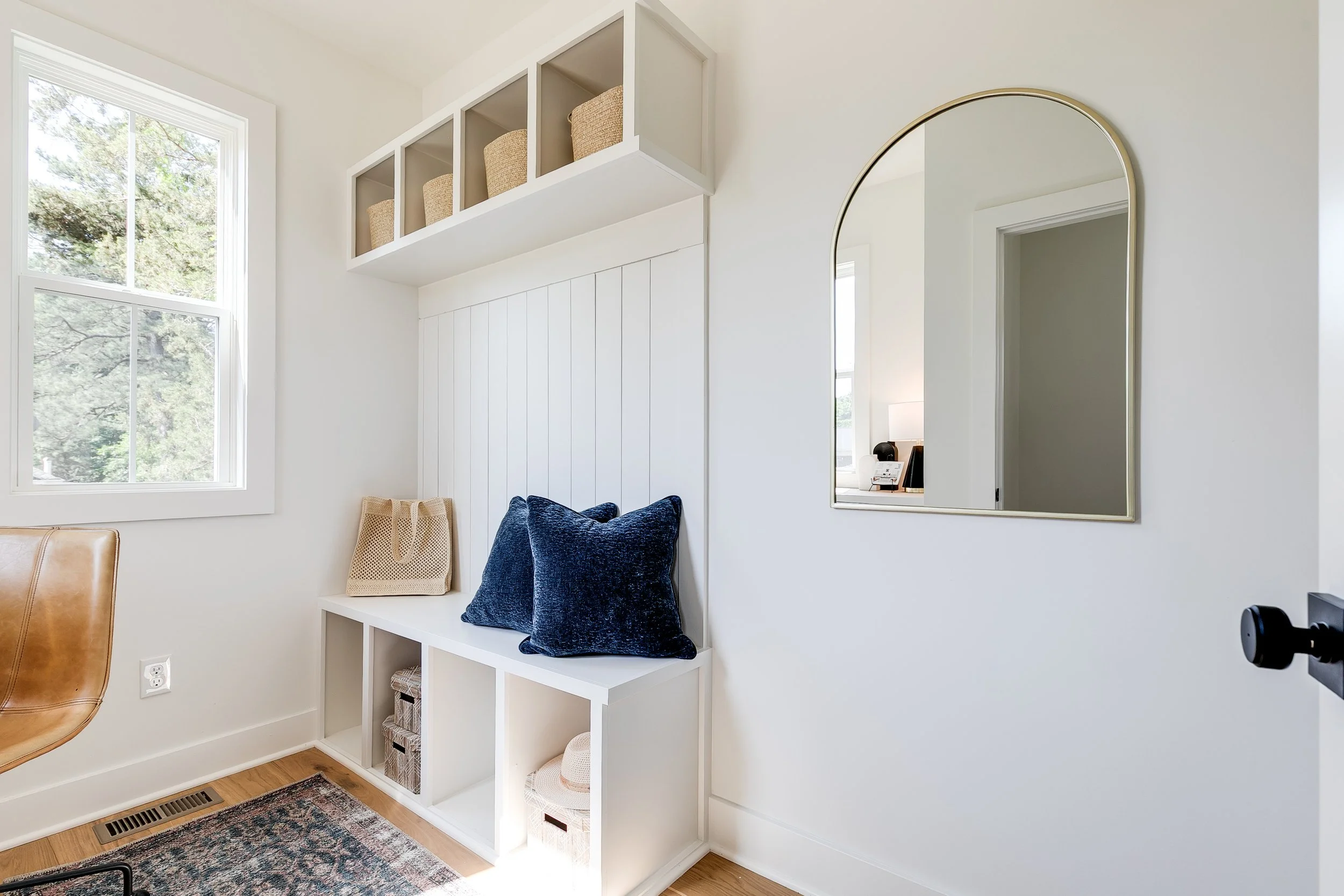
Built-In Storage Dedicate cabinets or cubbies for pet supplies: leashes, toys, grooming tools, and food storage. Keeping everything organized in one location simplifies daily routines.
Pet Washing Station If building custom, consider adding a utility sink low enough for bathing small to medium dogs. Even a standard utility sink with a handheld sprayer makes cleaning muddy paws infinitely easier.
Durable, Easy-Clean Surfaces Tile or LVP flooring in the mudroom handles muddy paws and wet dog shake-offs. Washable wall finishes or beadboard wainscoting protect walls from dirt and scratches.
Hooks and Hanging Storage Install hooks at varying heights for leashes, towels, and coats. Consider a lower hook specifically for your dog's leash so it's always in the same spot.
Pet Food Station If your mudroom connects to the kitchen (like in the Vero floor plan), this is an ideal location for food and water bowls. Built-in cubbies or cabinet space keeps pet food out of sight but easily accessible.
Creating Safe Outdoor Spaces

Adam’s Corgi Puppies - Kopi and Susu
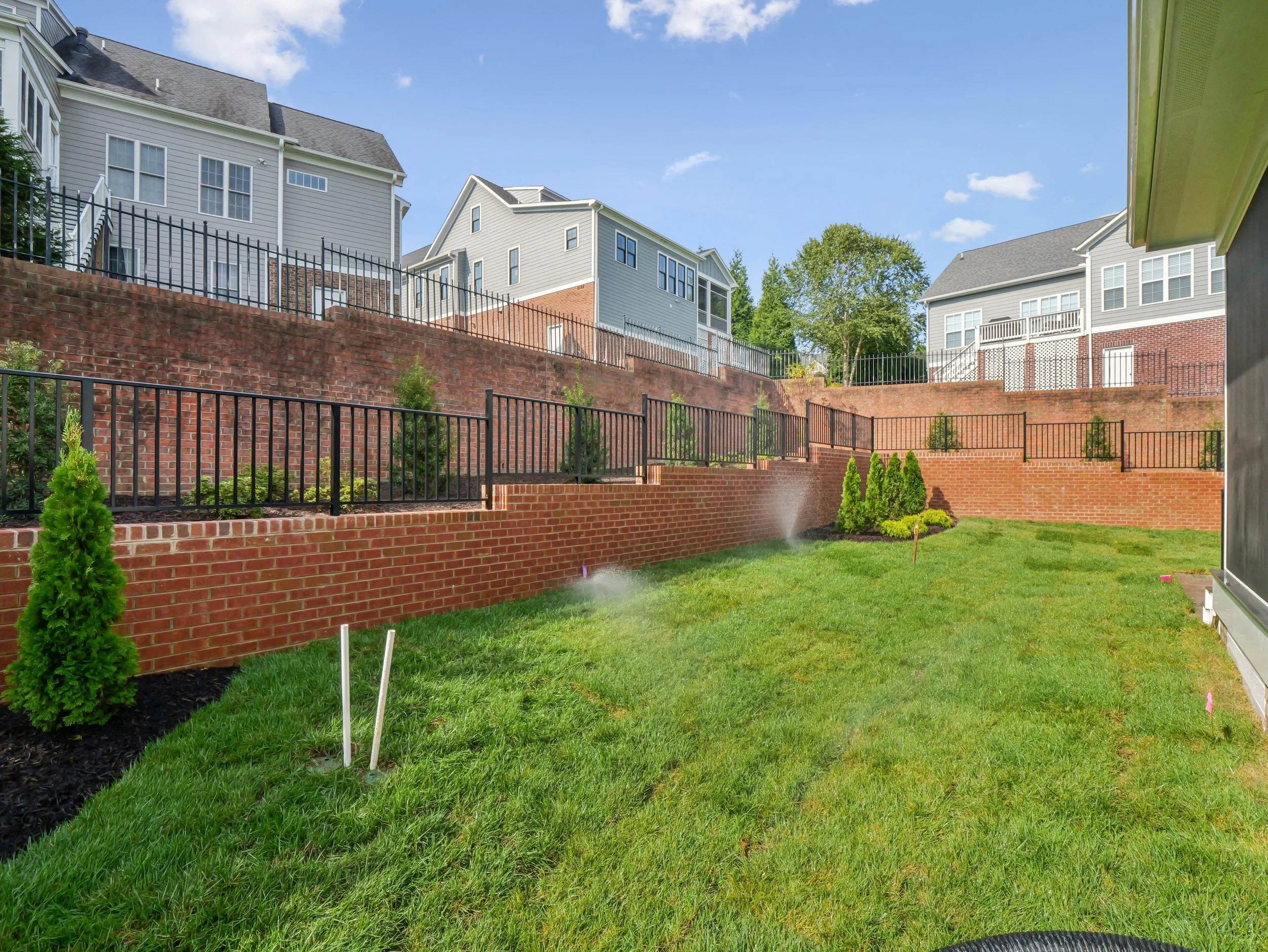
Your yard is your pet's kingdom. Proper planning ensures it's both safe and functional.
Fencing Considerations
Height and Material Choose fencing appropriate for your pet's size and jumping ability. For most dogs, a 6-foot fence is standard. Avoid chain link if you have a climber; solid wood or vinyl fencing is more secure.
Check for Gaps Ensure there are no gaps at the bottom of your fence where small dogs could squeeze through or dig under. Consider burying chicken wire or concrete footer beneath the fence line.
Gate Security Install self-closing hinges and secure latches on all gates. Many dogs learn to nose gates open—invest in quality hardware to prevent escapes.
Landscaping for Pets
Pet-Safe Plants Avoid toxic plants like azaleas, rhododendrons, sago palms, lilies, tulips, and daffodils. Safe alternatives include sunflowers, snapdragons, petunias, and most herbs. Always research plants before introducing them to your yard.
Designated Potty Area Create a specific area with mulch, pea gravel, or artificial turf for your dog's bathroom needs. This protects your lawn and makes cleanup easier.
Durable Ground Cover High-traffic areas where pets run will wear down. Consider pathways of flagstone, pavers, or decomposed granite to minimize muddy spots. Clover or hardy fescue grasses stand up better to pet traffic than traditional lawns.
Shaded Areas Ensure your yard has shaded spots where pets can escape the heat during Central Virginia summers. This might mean planting trees, installing a pergola, or positioning your covered porch (like those featured in Keel's Sanbiel and Nantucket plans) to overlook the yard.
Interior Design Choices for Pet-Friendly Homes
Smart material and design choices make living with pets easier and more stylish.
Furniture and Fabric Selection
Performance Fabrics Choose stain-resistant, durable upholstery fabrics designed for high traffic. Crypton, Sunbrella, and other performance fabrics resist stains and odors while remaining soft and attractive.
Leather and Faux Leather These materials wipe clean easily, though they can show scratches from claws. Distressed or textured leather hides imperfections better than smooth, pristine finishes.
Avoid Delicate Textiles Silk, velvet, and other delicate fabrics won't hold up to pets. Save these for accent pillows you can remove when pets are on furniture.
Choose Pet-Friendly Colors Light colors show every hair and paw print. Medium tones and patterns camouflage pet-related wear better than stark whites or blacks.
Built-In Solutions
Window Seats with Storage Custom built-ins (popular in Keel homes) can incorporate pet toy storage while creating a cozy perch for cats to sunbathe.
Under-Stair Nooks The space under stairs can be transformed into a built-in pet crate or cozy dog bed nook. Add a gate for training purposes, or leave it open as a dedicated pet retreat.
Cabinet-Integrated Feeding Stations Built-in feeding stations with pull-out drawers for bowls keep pet dining areas tidy and out of the main traffic flow in your kitchen.
Safety First: Pet-Proofing Hazards
Just like child-proofing, pet-proofing means anticipating and preventing potential dangers.
Electrical and Cable Management
Cord Concealment Use cord concealers, cable management boxes, or run cords behind furniture. Many puppies and some cats chew electrical cords, creating both a shock hazard and an expensive replacement situation.
Outlet Covers While not typically dangerous for pets the way they are for toddlers, outlet covers prevent curious noses from investigating.
Secure Cabinets and Trash
Childproof Locks Install childproof cabinet locks anywhere you store cleaning supplies, medications, or human food that's toxic to pets (chocolate, xylitol, grapes, onions, garlic).
Pet-Proof Trash Cans Choose trash cans with locking lids or keep them in a cabinet with a secure latch. The kitchen pantries in Keel floor plans like the Bonaire and Sanbiel are perfect for hiding trash cans away from curious pets.
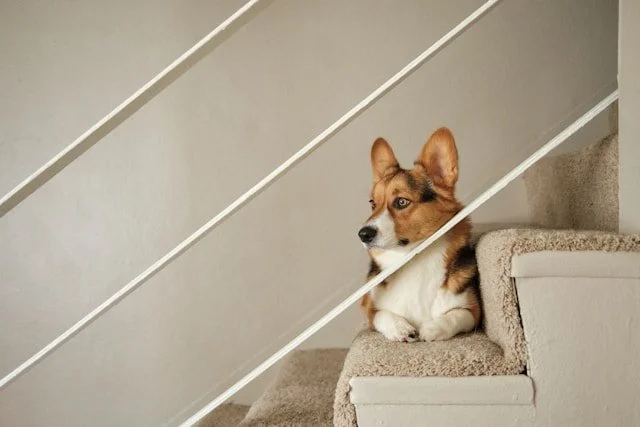
Photo by Brandon Cormier on Unsplash
Stair Safety
Baby Gates If you have puppies, senior dogs with mobility issues, or want to restrict access to certain floors, install baby gates at the top and bottom of stairs.
Runner Rugs Hardwood stairs can be slippery for pets. Consider a runner rug with non-slip backing for better traction.
Storage Solutions for Pet Supplies
Pet ownership comes with stuff—lots of it. Smart storage keeps your beautiful custom home from looking like a pet supply store.
Kitchen and Pantry Storage
Dedicate a section of your pantry to pet food, treats, and supplements. Airtight containers keep food fresh and protect against pests. The spacious pantries featured in Keel floor plans provide ample room for pet supplies without cluttering your kitchen.
Garage Organization
Store bulk pet supplies, carriers, and seasonal items (like winter coats and booties) in the garage. The Vero's roomy 2-car garage with direct access to the mudroom and kitchen makes transporting pet supplies from car to storage seamless.
Bedroom Closets
Keep grooming supplies, medications, and extra bedding in bedroom closets. The generous walk-in closets in Keel's primary suites provide plenty of space.
Climate Control Considerations
Central Virginia's weather varies dramatically throughout the year. Your pets need to stay comfortable in every season.
Heating and Cooling
Maintain Consistent Temperatures Pets can't adjust thermostats themselves. Keep your home at comfortable temperatures year-round. Keel homes feature efficient HVAC systems and smart floor plans that promote even heating and cooling.
Avoid Direct Vent Placement When planning your home, avoid placing floor vents where pet beds will be. Direct airflow can be uncomfortable for sleeping pets.
Pet Door Considerations If installing a pet door to access a covered porch or fenced yard, choose an energy-efficient model with a secure locking mechanism. Position it in a mudroom or utility area rather than in your main living space to minimize energy loss.
Noise Reduction for Anxious Pets
Some pets are sensitive to household sounds. Thoughtful design can create calmer environments.
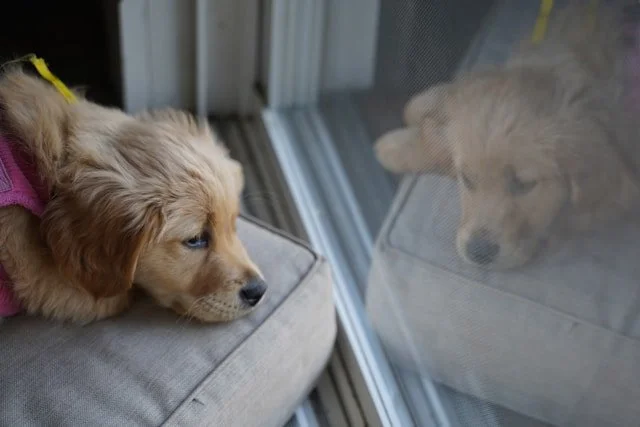
Photo by Evan Porter on Unsplash
Insulation Benefits
Proper insulation doesn't just save energy—it dampens outdoor noise that might trigger barking or anxiety. This is especially important if you live near busy roads or in a neighborhood with lots of activity.
Quiet Zones
Create a quiet space where anxious pets can retreat during thunderstorms, fireworks, or when the house is busy. A first-floor bedroom, like the flex room in the Vero floor plan, can serve as a pet sanctuary when needed.
Easy-Clean Solutions Throughout Your Home
Living with pets means accepting a certain amount of mess. Make cleanup as painless as possible.
Surface Selection
Washable Paint Use semi-gloss or satin finish paint in high-traffic areas and anywhere your pet might brush against walls. These finishes wipe clean more easily than flat paint.
Smooth Wall Textures Avoid heavily textured walls where pet hair can accumulate. Smooth surfaces are easier to wipe down.
Sealed Grout If you choose tile flooring, ensure grout is properly sealed to prevent staining from accidents or muddy paws.
Cleaning Stations
Handheld Vacuum Storage Designate a spot in your mudroom or pantry for a handheld vacuum. Quick cleanup of tracked-in dirt or pet hair becomes a simple 2-minute task.
Cleaning Supply Accessibility Keep pet-specific cleaning supplies (enzymatic cleaners for accidents, pet-safe floor cleaner, lint rollers) easily accessible but out of pet reach.
Planning for the Future
Your pet's needs will change over time. Build in flexibility where possible.
Aging Pet Accommodations
First-Floor Living One reason the first-floor primary suite (featured in the Bonaire) is so popular is its accessibility. As both humans and pets age, minimizing stair use becomes increasingly important.
Ramp Access If you have a deck or porch with steps, consider how you might add a ramp in the future for a senior dog with arthritis or mobility issues.
Multi-Pet Households
If you might add more pets in the future, plan for adequate space now. Multiple food and water stations prevent resource guarding. Extra room in your mudroom, pantry, and yard makes scaling up easier.
The Keel Custom Homes Advantage for Pet Owners
When you build with Keel Custom Homes, you're working with a team that understands real-life needs—including the needs of your pets. Our floor plans feature thoughtful details that translate perfectly to pet-friendly living:
Mudrooms with direct garage access for easy cleanup after walks
Open floor plans that let you keep an eye on pets throughout the main living area
Spacious pantries for storing pet supplies out of sight
Durable, quality construction that stands up to the wear and tear of active pets
Flexible floor plans that can be customized to include pet-specific features
Whether you're purchasing a professionally designed spec home or building custom on your own lot, we'll work with you to incorporate pet-friendly features that make sense for your lifestyle.
Final Thoughts: Happy Pets, Happy Home
Pet-proofing your custom home isn't about creating a space that merely tolerates your animals—it's about designing a home where every family member, including the four-legged ones, can thrive. With the right materials, smart storage, and thoughtful design, you can have both the beautiful custom home of your dreams and a pet-friendly environment.
Remember, a well-designed pet-friendly home doesn't look like a kennel. It looks like a stunning custom home that just happens to work beautifully for your entire family.
Ready to design your pet-friendly custom home? Contact Keel Custom Homes today to discuss floor plans and features that will work for your family—paws and all.
Custom homes. Simplified. Even when you're adding pets to the equation.