
Winter Home Maintenance: Essential Winterization Tips for Your Central Virginia Custom Home
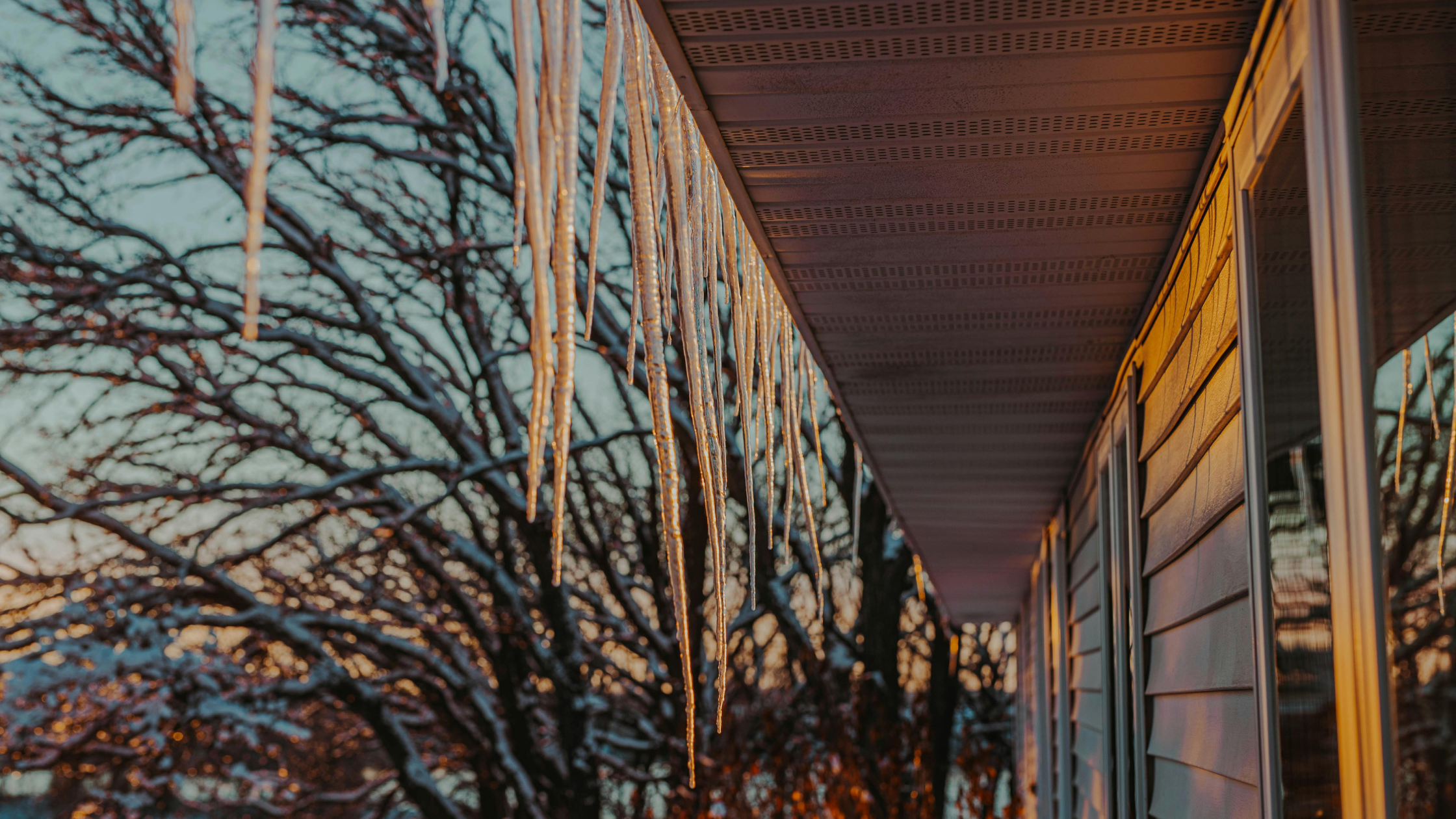
As temperatures in Central Virginia dip well below freezing, protecting your custom home from winter's harsh conditions becomes a top priority. From burst pipes to ice dams, winter can wreak havoc on even the most beautifully built homes if proper precautions aren't taken.
At Keel Custom Homes, we believe in Custom homes. Simplified.—and that includes simplifying the maintenance process so you can enjoy your home year-round without worry. Whether you're a new homeowner or a seasoned pro, this comprehensive winterization guide will help protect your investment and keep your family comfortable all season long.
Why Winterization Matters in Central Virginia
Central Virginia's winter weather can be unpredictable. We might experience mild weeks followed by sudden deep freezes, creating the perfect conditions for home damage. When temperatures drop below 32°F, especially overnight, unprotected pipes can freeze and burst, costing thousands in repairs and causing significant water damage.
The good news? Most winter-related home damage is preventable with proper preparation.
Protecting Your Plumbing: The #1 Winter Priority
Burst pipes are the most common and costly winter home disaster. When water freezes, it expands, putting immense pressure on your pipes—whether they're made of plastic, copper, or steel.
Insulate Exposed Pipes
Walk through your home and identify any exposed pipes, particularly in:
Unheated interior spaces (basements, crawl spaces, attics)
Exterior walls
Garage areas
Under sinks on exterior walls
Wrap these pipes with foam pipe insulation, available at any hardware store. For extra protection in extremely cold areas, consider heat tape or heat cables for vulnerable pipes.
Keep Interior Temperatures Consistent
Don't drastically lower your thermostat when you're away, even if you're trying to save on heating costs. Maintain a minimum temperature of 55°F throughout your home to prevent pipes from freezing. In custom homes with open floor plans like Keel's Bonaire or Sanibel, heat circulation is naturally better, but closed-off rooms or finished basements still need attention.
Let Faucets Drip
When temperatures drop into the teens or below, allow faucets on exterior walls to drip slightly. Running water, even at a trickle, helps prevent pipes from freezing. The small increase in your water bill is nothing compared to the cost of repairing burst pipes.
Open Cabinet Doors
Open the cabinet doors under sinks on exterior walls to allow warm air to circulate around the plumbing. This is especially important in kitchens and bathrooms.
Protecting Your Home's Exterior
Your home's exterior takes the brunt of winter weather. A little preventative maintenance goes a long way.
Clean and Inspect Gutters
Clogged gutters can lead to ice dams, which force water under your shingles and into your home. Before the first hard freeze:
Clear all leaves and debris from gutters and downspouts
Ensure downspouts direct water at least 6 feet away from your foundation
Check for any sagging or damage that needs repair
Seal Windows and Doors
Cold drafts don't just make you uncomfortable—they increase heating costs and can lead to frozen pipes in exterior walls. Check the weatherstripping and caulking around all windows and doors. Replace any worn weatherstripping and re-caulk gaps where you feel air leaking through.
Disconnect Outdoor Hoses and Shut Off Exterior Faucets
Disconnect all garden hoses and drain them. Shut off water to exterior faucets from inside your home, then open the outside faucet to drain any remaining water. If your Keel custom home has frost-free outdoor spigots, they still need hoses disconnected to function properly.
Trim Trees and Branches
Heavy snow and ice can cause tree branches to break and fall on your home, car, or power lines. Trim any branches hanging over your house or near power lines before winter weather arrives.
HVAC System Winter Prep
Your heating system works overtime during Central Virginia winters. Set it up for success.
Replace Furnace Filters
A clean filter improves efficiency and air quality. Replace or clean your furnace filter monthly during heavy-use winter months. With the open-concept designs in Keel homes like the Kiawah and Vero, proper air circulation is essential for even heating throughout your space.
Schedule Professional HVAC Maintenance
Have your heating system inspected and serviced by a professional before winter hits. They'll check for issues, clean components, and ensure everything is running efficiently and safely.
Check and Replace Thermostat Batteries
If you have a programmable or smart thermostat, replace the batteries before winter to avoid losing heat due to a dead battery.
Clear Vents and Registers
Ensure all heating vents and cold air return registers are unobstructed by furniture, curtains, or rugs. Good airflow means better heating efficiency.
Fireplace and Chimney Safety
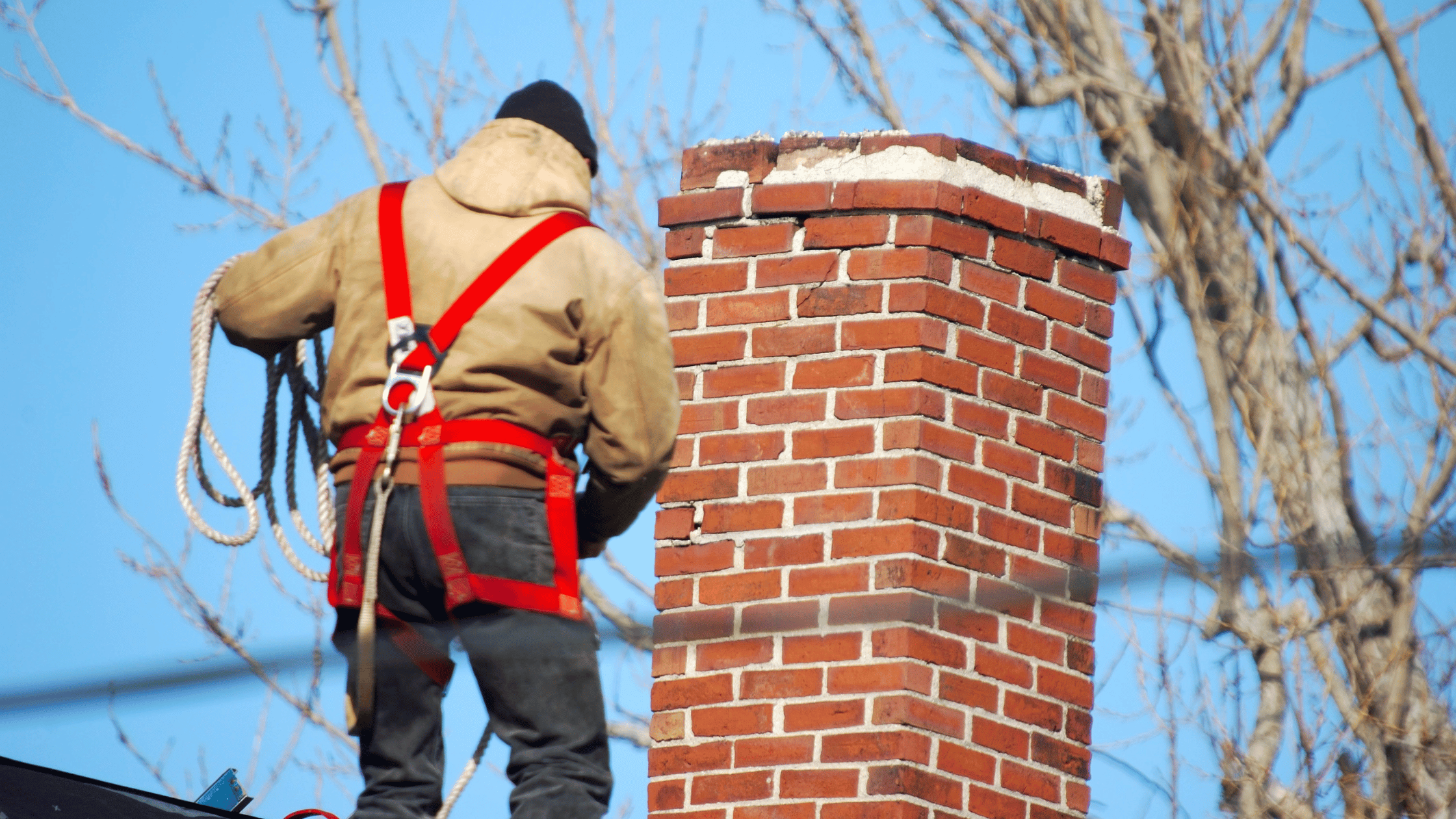
If your custom home features a fireplace (a popular option in Keel's great rooms), proper maintenance is crucial for both safety and efficiency.
Have Your Chimney Inspected and Cleaned
Schedule a professional chimney sweep to remove creosote buildup and check for blockages or damage. This should be done annually, ideally before you start using your fireplace regularly.
Check the Damper
Ensure your fireplace damper opens and closes properly. When not in use, keep it closed to prevent warm air from escaping up the chimney.
Stock Up on Dry Firewood
If you burn wood, ensure it's properly seasoned (dried for at least 6 months). Wet or green wood creates more creosote and produces less heat.
Attic and Insulation Check
Proper attic insulation prevents heat loss and helps avoid ice dams on your roof.
Inspect Attic Insulation
Check that your attic insulation is adequate for Central Virginia (recommended R-38 to R-49). If you can see the tops of your floor joists, you need more insulation.
Look for Air Leaks
Check your attic for gaps around pipes, vents, chimneys, and recessed lighting where warm air might escape. Seal these gaps with expanding foam or caulk.
Ensure Proper Ventilation
Your attic needs proper ventilation to prevent moisture buildup and ice dams. Check that vents are clear and unobstructed.
Emergency Preparedness
Central Virginia winters can bring power outages from ice storms. Be prepared.
Create an Emergency Kit
Stock supplies including:
Flashlights and extra batteries
Battery-powered or hand-crank radio
First aid kit
Bottled water (1 gallon per person per day for 3 days)
Non-perishable food
Blankets and warm clothing
Cell phone chargers (battery-powered or car charger)
Medications
Know How to Shut Off Your Water
In case of a pipe burst, every second counts. Make sure everyone in your household knows where the main water shut-off valve is located and how to turn it off.
Have Your Generator Serviced
If you have a backup generator, have it professionally serviced before winter and test it to ensure it's working properly.
Winter Maintenance for Covered Porches
Many Keel homes feature beautiful covered porches—a favorite feature in designs like the Sanbiel, Nantucket, and Vero. Don't forget to winterize these outdoor living spaces.
Store or Cover Outdoor Furniture
Bring cushions and fabric items inside. Cover or store outdoor furniture to protect it from snow, ice, and moisture.
Check for Water Damage
Inspect your porch ceiling, posts, and railings for any signs of water damage or rot that should be repaired before winter weather makes it worse.
Q&A: Your Winter Home Questions Answered
Q: At what temperature should I worry about my pipes freezing?
A: Pipes are at risk when temperatures drop to 20°F or below, especially if they're in unheated spaces or exterior walls. However, pipes can freeze at temperatures above 20°F if there are cold drafts or inadequate insulation. When temperatures are forecasted below freezing, take preventative measures like letting faucets drip and opening cabinet doors.
Q: Should I turn off my water when I leave town in winter?
A: If you're leaving for more than a few days during cold weather, yes. Shut off the main water supply and drain the pipes by opening all faucets until water stops flowing. Leave cabinet doors open and set your thermostat to at least 55°F. This prevents a disaster if your heat fails while you're away.
Q: How much should I let my faucets drip during a freeze?
A: A slow, steady drip is sufficient—about 5 drips per minute or a thin pencil-lead stream. You don't need a heavy flow. Focus on faucets served by pipes that run through unheated or exterior spaces.
Q: What should I do if a pipe freezes?
A: First, shut off the water supply to that pipe if possible. Open the faucet to relieve pressure. Never use open flames to thaw pipes. Instead, use a hair dryer, heating pad, or warm towels, starting from the faucet end and working toward the frozen section. If you can't locate the freeze or it's inside a wall, call a plumber immediately.
Q: How can I prevent ice dams on my roof?
A: Ice dams form when heat escapes through your roof, melting snow that then refreezes at the eaves. Prevent them by ensuring adequate attic insulation, proper attic ventilation, and sealing air leaks in your attic. Keep gutters clean and remove snow from your roof after heavy storms if safe to do so.
Q: Is it safe to use space heaters?
A: Space heaters can be safe if used properly. Choose models with automatic shut-off features, keep them at least 3 feet from anything flammable, never leave them unattended, and plug them directly into wall outlets (not extension cords). However, properly maintaining your home's primary heating system is always the better option.
Q: Should I cover my outdoor AC unit?
A: This is debated among HVAC professionals. Covering the top can protect it from falling ice and debris, but covering the sides can trap moisture and promote rust. Most modern units are designed to withstand winter weather. If you do cover it, use a cover specifically designed for AC units that allows airflow, and remove it before running the system in spring.
Q: How often should I check on my home during extreme cold?
A: During prolonged periods of below-freezing temperatures, check your home at least once daily. Look for signs of freezing pipes (reduced water flow, frost on pipes), ensure your heating system is working properly, and verify that your thermostat is maintaining the set temperature.
Q: What's the best thermostat setting for winter?
A: The Department of Energy recommends 68°F when you're home and awake, and lowering it while you're asleep or away. However, never set it below 55°F, especially during extreme cold, as this risks frozen pipes. With Keel's open floor plans and 9-foot ceilings, you may find heat circulates efficiently at these recommended settings.
Q: My heating bills seem high. How can I reduce them without risking my pipes?
A: Focus on improvements that don't compromise safety: add insulation, seal air leaks around windows and doors, use a programmable thermostat, close vents in unused rooms (but not completely), use ceiling fans in reverse to push warm air down, and ensure your HVAC system is properly maintained. The investment in weatherproofing pays for itself in reduced energy costs.
The Keel Custom Homes Advantage
When you build with Keel Custom Homes, you're getting quality construction designed to withstand Central Virginia's climate. From proper insulation and modern HVAC systems to thoughtfully designed floor plans that promote efficient heating, our homes are built with year-round comfort in mind.
However, even the best-built custom home needs proper maintenance. By following these winterization tips, you'll protect your investment, keep your family safe and comfortable, and avoid costly repairs.
Have questions about maintaining your Keel Custom Home through winter? Our team is here to help. Contact us today for personalized advice on caring for your custom home.