
Financial Planning for Your Custom Home: Tax Benefits & Budgeting Tips for 2026

January is a funny month. Holiday decorations come down, the credit card bills arrive, and suddenly everyone's thinking about finances. If "build our dream home" is on your 2026 goal list, this is actually the perfect time to get serious about the money side of things.
Building a custom home is one of the biggest financial decisions you'll ever make—but it doesn't have to be intimidating. With the right planning and a clear understanding of your options, you can approach your build with confidence. Let's break down what you need to know about tax benefits, budgeting, and working with lenders as you prepare for your custom home journey.
The Tax Benefits of Building a Custom Home
Here's something many future homeowners don't realize: there are legitimate tax advantages to building a home, not just buying one. While we always recommend consulting with a tax professional for advice specific to your situation, here's an overview of what's typically available.
Construction Loan Interest Deduction
If you take out a construction loan to build your primary or secondary residence, the interest you pay during construction may be tax-deductible—just like traditional mortgage interest.
The key rules to know:
The IRS allows you to treat a home under construction as a "qualified home" for up to 24 months, as long as it becomes your primary or secondary residence when it's ready for occupancy.
The 24-month period can start any time on or after the day construction begins.
The loan must be used specifically for construction of the home—not for unrelated expenses.
Current limits allow you to deduct interest on up to $750,000 of home acquisition debt (for mortgages taken out after December 15, 2017).
What this means practically: If you're paying interest on your construction loan throughout the building process, you may be able to deduct that interest on your tax return for the year—potentially saving you thousands of dollars.
Property Tax Deductions
Once your home is complete (or even during construction, depending on your locality), you may be paying property taxes. These are generally deductible on your federal return as an itemized deduction, subject to the current $10,000 cap on state and local taxes (SALT) through 2025. Tax law changes may affect this limit in future years, so it's worth staying informed.
Points and Origination Fees
If you pay points or origination fees when you secure your construction loan or permanent mortgage, these may also be deductible. The rules vary depending on whether you deduct them in the year paid or over the life of the loan, so this is another area where professional guidance is valuable.
Energy-Efficient Home Credits
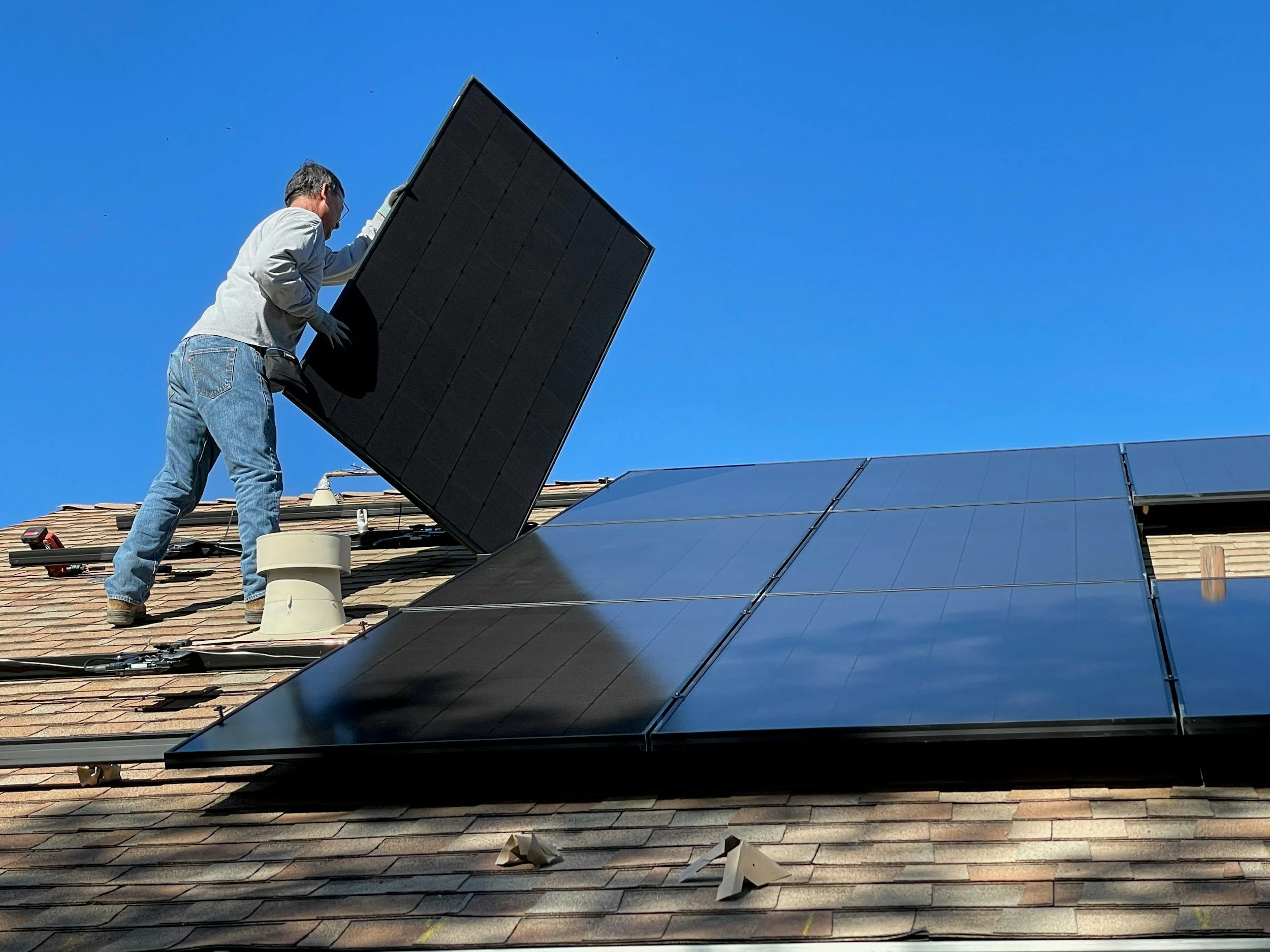
Building new gives you the opportunity to incorporate energy-efficient features from the start. Depending on what you include—such as qualifying solar panels, heat pumps, or other energy improvements—you may be eligible for federal tax credits. These credits directly reduce your tax bill, making them even more valuable than deductions.
A word of caution: Tax law is complex and changes frequently. The information above is general in nature and current as of early 2026. Always work with a qualified tax professional who understands your specific situation before making decisions based on potential tax benefits.
Budgeting for Your Custom Home Build
Beyond taxes, the bigger financial picture involves understanding what it actually costs to build a custom home—and how to plan for it realistically.
Start with Your "All-In" Number
When budgeting for a custom home, think beyond the base price of construction. Your total investment typically includes:
Land or lot cost (if you don't already own property)
Site preparation (grading, tree clearing, driveway, utility connections)
Base home construction (the price quoted for your floor plan)
Customizations and upgrades (finishes, fixtures, layout changes)
Closing costs and loan fees
Furniture and moving expenses
Contingency buffer (typically 5-10% for unexpected costs)
At Keel Custom Homes, our floor plans range from $289,990 to $569,990 for the home itself. But your total project cost will depend on your land situation, the customizations you choose, and site-specific factors. We walk every client through a detailed cost breakdown early in the process so there are no surprises.
The 28/36 Rule

A common guideline for housing affordability is the 28/36 rule:
Spend no more than 28% of your gross monthly income on housing costs (mortgage, taxes, insurance)
Keep total debt payments under 36% of gross monthly income
This isn't a hard rule, but it's a useful starting point for understanding what you can comfortably afford. Your lender will also assess your debt-to-income ratio as part of the qualification process.
Don't Forget the Ongoing Costs
Building a custom home often means more square footage, more land, or higher-end finishes than your current home. Make sure your budget accounts for:
Higher utility bills (though energy-efficient construction can offset this)
Property taxes on a higher-value home
Homeowner's insurance
Maintenance on a larger property
HOA fees (if applicable to your community)
Build in a Buffer
Custom home construction is inherently more variable than buying an existing home. Material prices fluctuate, you might fall in love with an upgrade you hadn't planned on, or site conditions could require additional work. We recommend budgeting a contingency of 5-10% beyond your expected costs. If you don't use it, great—you've got a head start on furnishing your new home.
Working with Lenders: Why Early January Matters
If there's one piece of advice we give every prospective custom home builder, it's this: talk to a lender early. And early January is an ideal time to do it.
Why Now?

Tax documents are fresh. You'll need W-2s, tax returns, and financial statements for your loan application. Getting organized now while everything is top of mind makes the process smoother.
You'll know your real budget. Until you're pre-approved, your budget is theoretical. A lender can tell you exactly what you qualify for, which focuses your planning.
Construction loans take time. The financing process for a construction-to-permanent loan is more involved than a traditional mortgage. Starting early means you'll be ready when you find the right lot or floor plan.
Rates and programs change. Locking in your understanding of current rates and loan products gives you a baseline for decision-making.
Understanding Construction Loans
Building a custom home typically requires a construction loan—a short-term loan that covers the building phase—which then converts to a permanent mortgage when construction is complete. This is called a "construction-to-permanent" loan.
Key things to know:
You'll typically make interest-only payments during construction, based on the amount that's been drawn (disbursed to your builder).
Once the home is complete, the loan converts to a traditional mortgage with principal and interest payments.
You'll go through underwriting once, but you need to qualify based on the finished home's value.
Some lenders specialize in construction lending; not every mortgage company offers these products.
What Lenders Want to See
When you apply for a construction loan, be prepared to provide:
Proof of income (W-2s, pay stubs, tax returns)
Asset statements (bank accounts, investments)
Credit history
Information about your lot or land (or your plan to acquire it)
Your builder's information and the construction contract
Plans and specifications for the home
The more organized you are upfront, the smoother the process will go.
Our Preferred Lenders
At Keel Custom Homes, we work with several lenders who specialize in construction-to-permanent financing in Central Virginia. We're happy to provide referrals. These are professionals who understand the custom home process and can guide you through the financing side with expertise. Check out our preferred lenders here.
Your Financial Planning Checklist for 2026
Ready to get your financial house in order for your custom home build? Here's a checklist to work through this month:
This week:
Gather your 2025 tax documents as they arrive
Pull your credit report and check for any issues to address
Calculate your current debt-to-income ratio
This month:
Schedule a conversation with a construction loan lender
Get pre-approved to understand your real budget
Research potential tax benefits with your accountant or tax preparer
Before you sign a contract:
Understand your total "all-in" cost, including land and site work
Build in a 5-10% contingency buffer
Review your budget for ongoing costs (taxes, insurance, utilities)
The Bottom Line
Building a custom home is a significant financial undertaking—but it's also one of the most rewarding investments you can make. When you build, you're not just buying a house; you're creating an asset tailored to your family's needs, built with modern efficiency and designed to serve you for decades.
The families who have the smoothest custom home experiences are the ones who take the financial planning seriously from the start. They understand their budget, they work with knowledgeable lenders, and they go into the process with eyes wide open.
That's the kind of experience we want for every Keel Custom Homes client.
Let's Talk Numbers
If you're serious about building a custom home in 2026, we'd love to help you understand what's possible within your budget. Our team can walk you through realistic cost expectations, connect you with trusted lenders, and help you see how our floor plans might work for your family.
Explore our plans and communities, or reach out to schedule a conversation. There's no pressure—just honest guidance to help you make the best decision for your family.
Here's to a financially savvy 2026—and the home you've been dreaming of.