
Build on My Land: Why the Best Custom Home Sites Aren't Empty
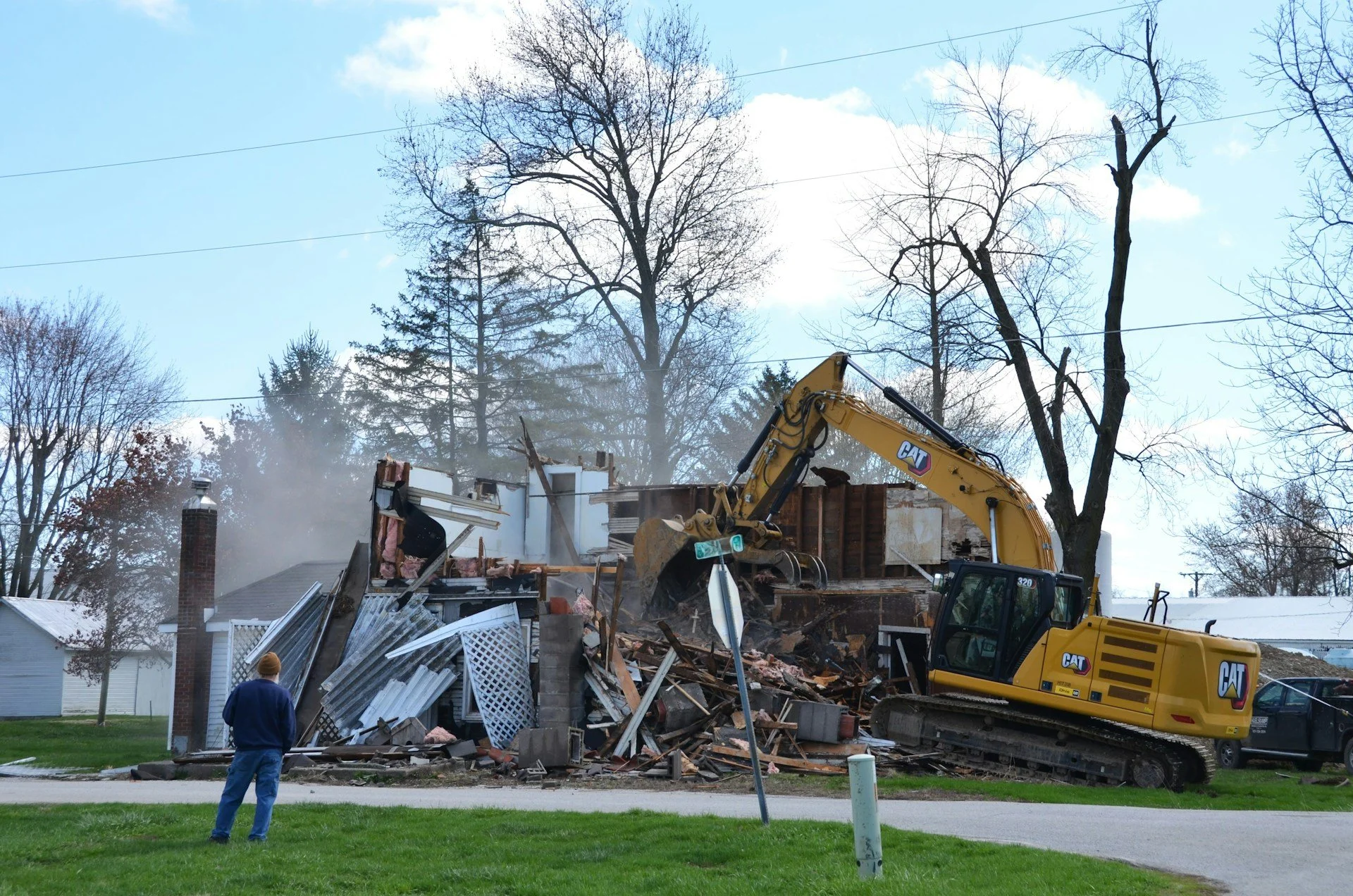
Photo by Roger Starnes Sr on Unsplash
The best lots aren't empty.
They have mobile homes. Outdated ranches. Structures nobody's touched in decades. And most buyers scroll right past them.
That's a mistake.
If you're buying land to build a house or already own a lot with something on it you have more options than you think. That "problem property" might be the exact location you've been searching for.
This guide covers how to find, evaluate, and build a custom home on land that isn't vacant. Whether you're looking at mobile home lots for sale, hunting for vacant land for sale near me, or sitting on a property you inherited years ago, you're in the right place.
The Myth of the Perfect Empty Lot
Search "vacant lots for sale near me" and you'll find slim pickings. In established Richmond neighborhoods, empty land barely exists. When it does, expect bidding wars and premium prices.
But drive those same neighborhoods and you'll see something else: tired houses, aging mobile homes, overgrown lots with structures that haven't been maintained in years.
These aren't problems. They're opportunities.
When you build on your lot, regardless of what's currently sitting on it, you get location without the competition. The house is temporary. The address is forever.
What Counts as Buildable Land?
If you can put a structure on it, you can replace a structure on it. That includes lots with:
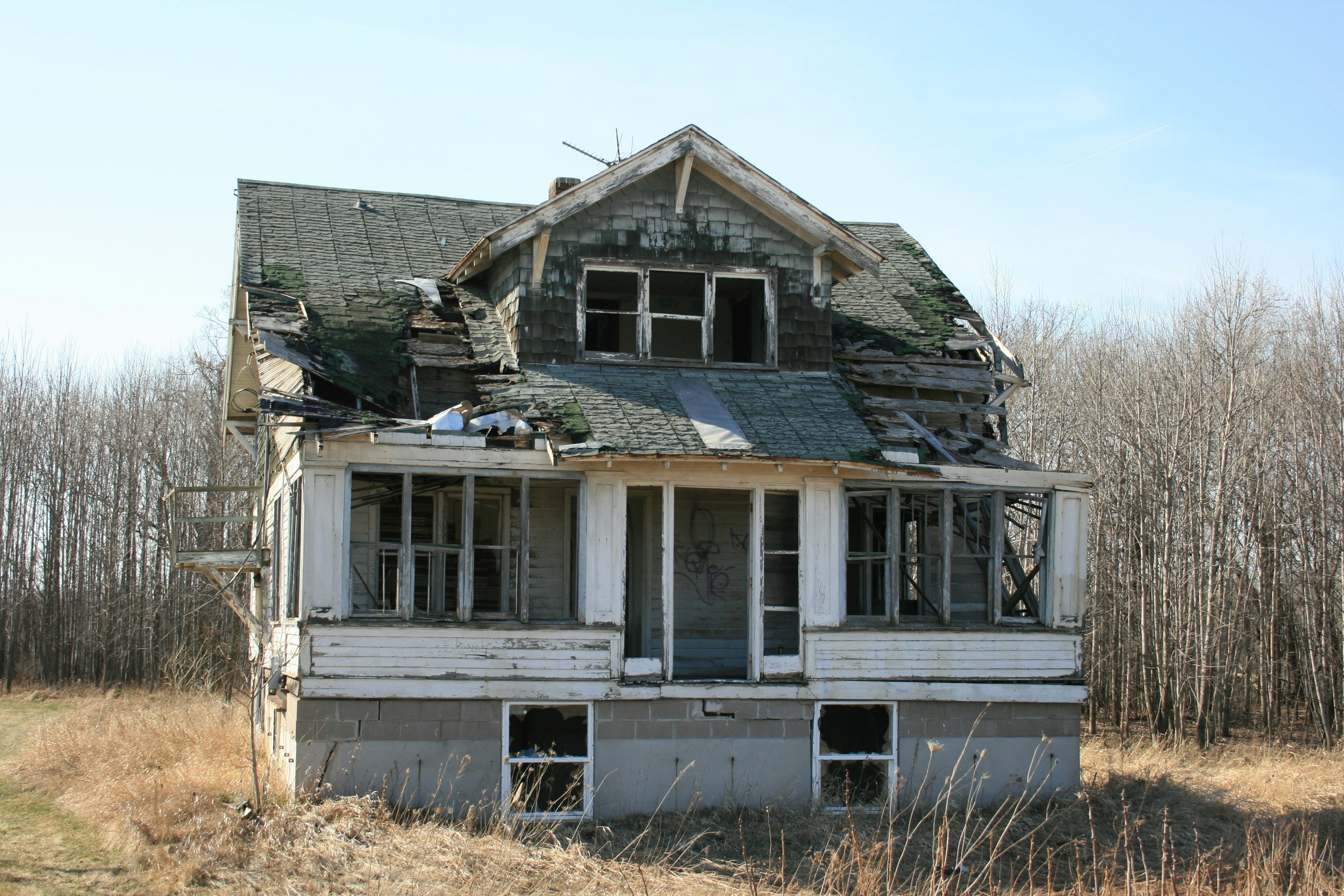
Mobile homes and trailers. Mobile home lots for sale often sit in locations where site-built homes are allowed. The land is already zoned residential, utilities are connected, and the footprint is established. You're not starting from zero—you're starting ahead.
Outdated houses. That 1,200-square-foot ranch from 1962? It's sitting on a lot that could hold a 3,500-square-foot custom home. The land value is what matters. The structure is just in the way.
Storm-damaged or neglected properties. Insurance total-loss homes, fire-damaged structures, and houses that have sat vacant for years all represent buildable land at below-market prices.
Partial structures and foundations. Sometimes a project stalled mid-construction. The permits may still be active, the utilities run, and the hardest work already done.
The common thread: you're buying an address, not a building.
Why "Problem" Properties Beat Vacant Land
When you compare a vacant lot to a lot with an existing structure, the math often favors the "problem" property.
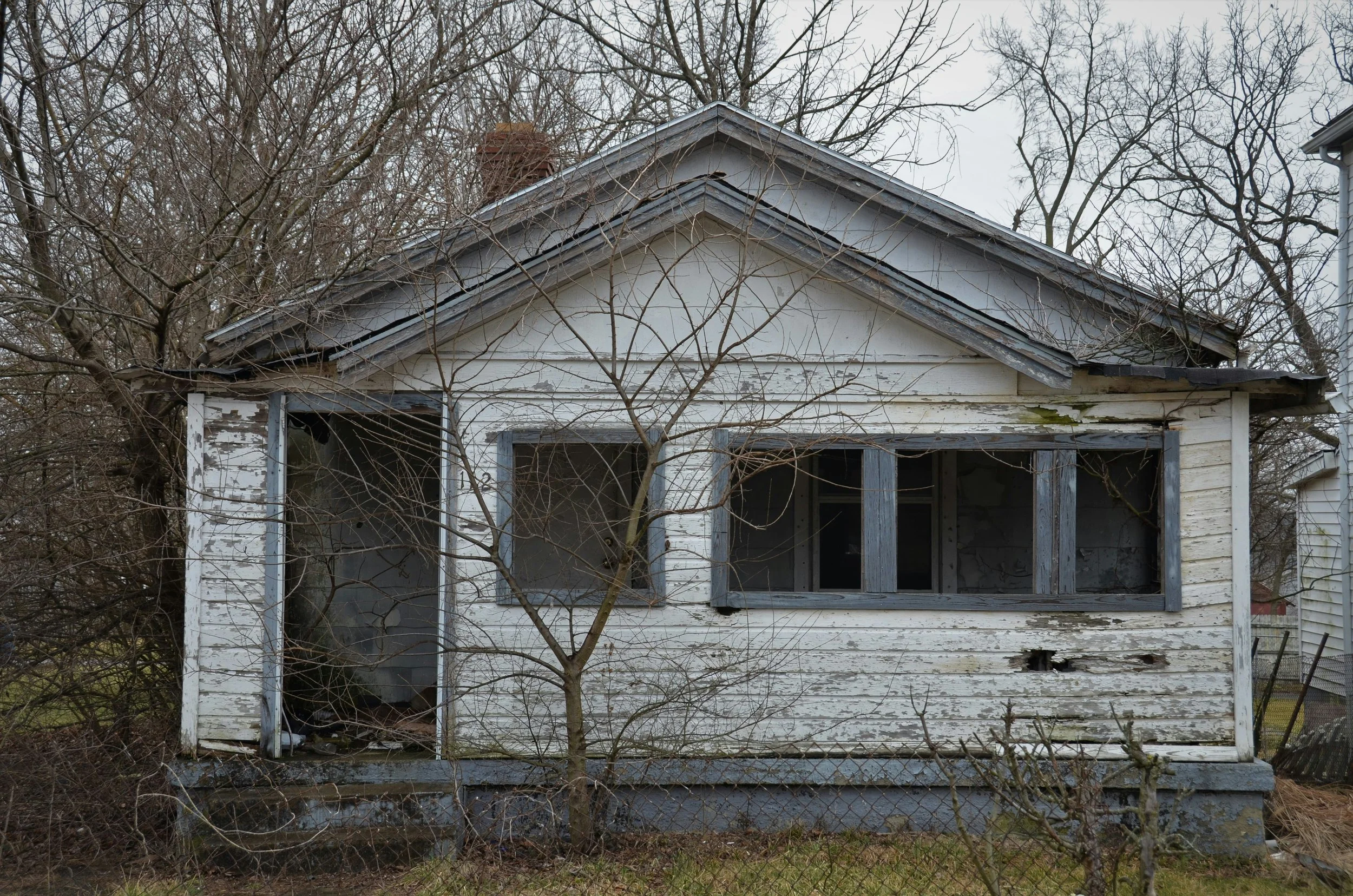
Photo by Roger Starnes Sr on Unsplash
Utilities are already connected. Running water, sewer, and electric to a vacant lot can cost $10,000 to $50,000 depending on distance and terrain. A mobile home lot? Already done.
The neighborhood is established. Vacant land tends to cluster in new developments or rural areas. Lots with existing structures sit in neighborhoods with mature trees, known school districts, and proven property values.
Competition is lower. Everyone wants turnkey. Everyone wants move-in ready. That means fewer buyers competing for properties that need vision—and lower purchase prices as a result.
Zoning is proven. If there's already a residential structure on the lot, you know residential construction is allowed. Vacant land requires more due diligence.
For buyers searching "land home package near me" or comparing a mobile home and land package to a custom build, this is the calculation that changes everything. You're not paying for a manufactured structure you'll eventually want to replace. You're investing in location and building exactly what you want from day one.
How to Find These Properties
You won't find listings labeled "teardown" or "build your dream home here." You have to know what to look for.
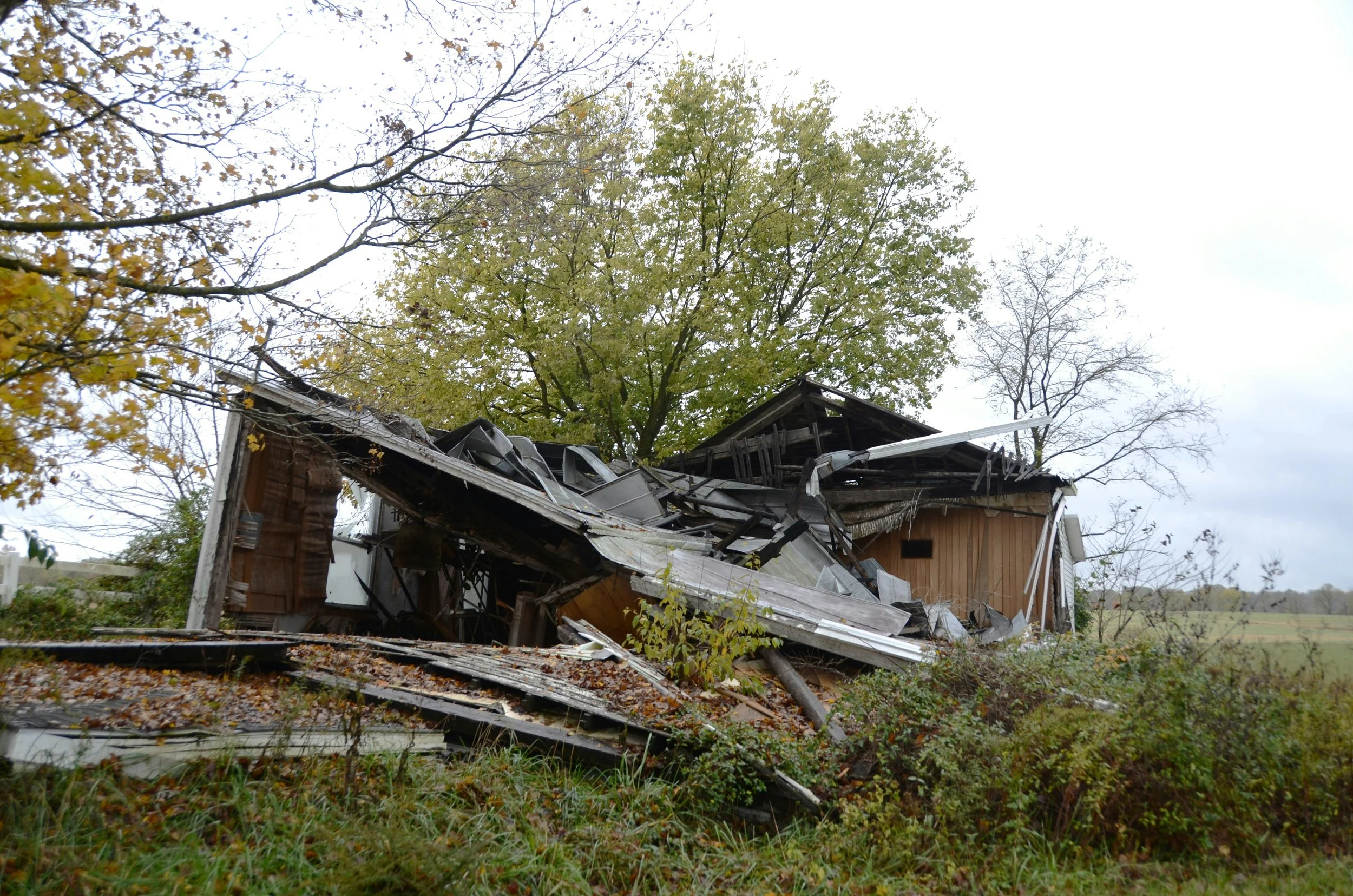
Photo by Roger Starnes Sr on Unsplash
Search for language that signals land value. Listings that say "investor special," "sold as-is," "value in land," "needs work," or "priced to sell" often mean the seller knows the structure isn't the draw.
Filter for the oldest homes in the best zip codes. A 1950s house in a neighborhood where everything else has been renovated or rebuilt is a teardown waiting to happen. The land is worth more than the structure.
Look for mobile home lots for sale near me. These searches surface properties where the land is already zoned and prepped for residential use. Replacing a mobile home with a site-built custom home is often simpler than starting from scratch.
Drive your target neighborhoods. Some of the best lots aren't listed. Overgrown properties, boarded-up houses, and visibly neglected structures often belong to owners who'd sell if someone made an offer. A letter in the mailbox has started more than a few custom home projects.
Check estate sales and probate listings. Inherited properties often sell below market, especially when heirs live out of state and want a quick resolution.
Most agents help you find a finished home. We help you look beyond what’s there today, evaluate the land, and understand what’s possible—combining real estate insight and custom home expertise in one place.
How to Evaluate a Lot (Before You Buy)
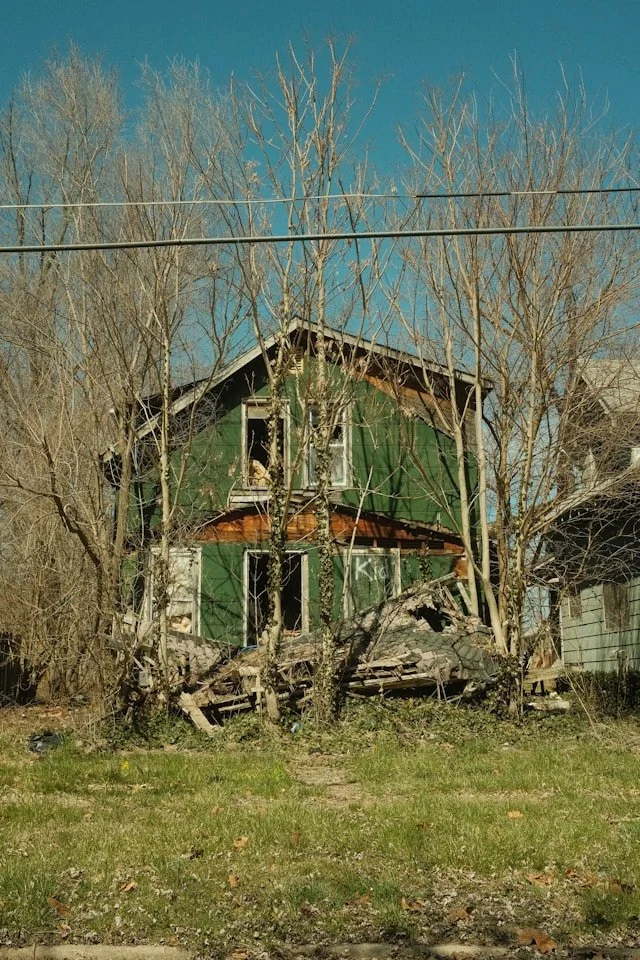
Photo by Bruno Guerrero on Unsplash
Not every property with an old structure is worth buying. Here's how to separate the opportunities from the money pits.
Location Comes First
The structure can be replaced. The location cannot.
Evaluate school districts, commute times, neighborhood trajectory, and comparable home values. A lot in a neighborhood trending upward is worth more than a lot in a neighborhood that peaked a decade ago—regardless of what's currently sitting on it.
Check Zoning and Setbacks
Before you fall in love with a lot, confirm you can build what you want on it.
Zoning determines whether residential construction is allowed and what type. Setbacks determine how far your home must sit from property lines—and on older lots, those requirements may have changed since the original structure was built.
A 1960s ranch that sits 15 feet from the property line doesn't mean your new home can do the same. Pull the current zoning requirements and setback rules before making an offer.
Evaluate Utilities and Site Conditions
Existing utility connections save thousands of dollars and weeks of permitting. Confirm what's already in place: municipal water or well, public sewer or septic, electrical service capacity, and gas availability.
Beyond utilities, check for flood zone designation, soil conditions, topography, and drainage patterns. A survey and site assessment before closing costs far less than discovering problems after you own the property.
Estimate Demolition Costs
Removing an existing structure typically runs $10,000 to $30,000 depending on size, materials, and what's inside.
Homes with asbestos siding, lead paint, or other hazardous materials cost more to demolish safely. Multi-story structures and those with basements or complex foundations add complexity.
Some on-your-lot builders handle demolition as part of the overall project. Others work with demolition contractors you'll hire separately. Know which approach your builder takes before finalizing your budget.
Run the Full Numbers
Purchase price alone doesn't tell you what you're getting into. The real calculation:
Land purchase price + demolition + site prep + construction = total investment
Compare that total to what comparable new construction sells for in the same neighborhood. If the math works, you've found your lot.
The Build Process: From "Problem Property" to Custom Home
Once you've found the right lot, here's how the project typically unfolds.
Start with a builder, not a purchase. The smartest move is partnering with custom home builders on your lot before you close on the property. An experienced on-your-lot builder can evaluate the site, flag potential issues, confirm what's buildable, and give you realistic cost estimates—before you're committed.
Close on the property. With builder input and financing in place, you close on the lot like any real estate transaction.
Demolition and permitting. Demolition typically takes two to four weeks depending on structure size and local permit requirements. A builder like Keel can coordinate this or you may hire a demolition contractor directly.
Design your home. Work with your builder on floor plans, finishes, and specifications. This is where the custom part of custom home happens—you're not picking from a catalog of pre-designed models.
Build. Construction timelines vary based on home size and complexity, but expect eight to fourteen months from breaking ground to move-in.
Move into exactly what you wanted, exactly where you wanted it.
What It Costs: Real Numbers
Costs vary by market, home size, and site conditions. Here's what to budget in the Richmond area.
Demolition: $10,000–$30,000 depending on structure size and materials
Site preparation: $5,000–$20,000 depending on grading, tree removal, and utility work needed
Custom home construction: Varies significantly based on size, finishes, and specifications. On-your-lot builders typically provide detailed estimates after evaluating your specific lot and design requirements.
Total investment: Add your land purchase price to these costs for the full picture. In many cases, the all-in cost for a custom home on a "problem" lot beats buying a comparable spec home—and you get exactly what you want instead of settling for someone else's choices.
Red Flags: When to Walk Away
Not every property with potential is worth pursuing. Watch for these warning signs.
Zoning that doesn't allow what you want to build. If the lot is zoned for single-family but you want a duplex, or if height restrictions prevent the two-story home you're envisioning, move on.
No public sewer access. Septic systems limit your home's footprint and add ongoing maintenance. In some cases, soil conditions won't support septic at all.
Protected trees or environmental restrictions. Heritage trees, wetland buffers, and conservation easements can dramatically limit where and what you can build.
HOA restrictions on new construction. Some HOAs require architectural approval, limit home sizes, or restrict construction timelines in ways that don't work for custom building.
Contaminated soil. Former gas stations, dry cleaners, and industrial sites can carry environmental cleanup requirements that dwarf the cost of the land itself.
Access issues. Landlocked parcels or lots with easement disputes create legal headaches that outlast any construction project.
A few hundred dollars for a survey, title search, and zoning review before you buy can save tens of thousands in surprises after.
Is Building on a "Problem" Lot Right for You?
This approach works well if you want a custom home in an established neighborhood, you're willing to invest time in the build process, and you value getting exactly what you want over moving in quickly.
It's not the right fit if you need to move in ninety days, you're uncomfortable with construction variables and decisions, or you'd rather buy something turnkey and make it yours over time.
Custom home building requires patience and involvement. What you get in return is a home designed around how you actually live, in the location you actually wanted, built to the standards you actually specified.
Find Your Lot. Build Your Home.
Empty lots are rare. Buildable lots are everywhere. If you know what to look for.
That mobile home lot you drove past? Buildable. The 1960s ranch on the corner? Buildable. The overgrown property with the collapsing detached garage? Probably buildable.
You don't need a blank slate. You need a builder who sees what you see.
Found a property you're considering? Let’s talk about it.
We'll check it out, identify any red flags, and tell you what's possible.