
Cozy by Design: Winter-Ready Features Every Central Virginia Custom Home Needs
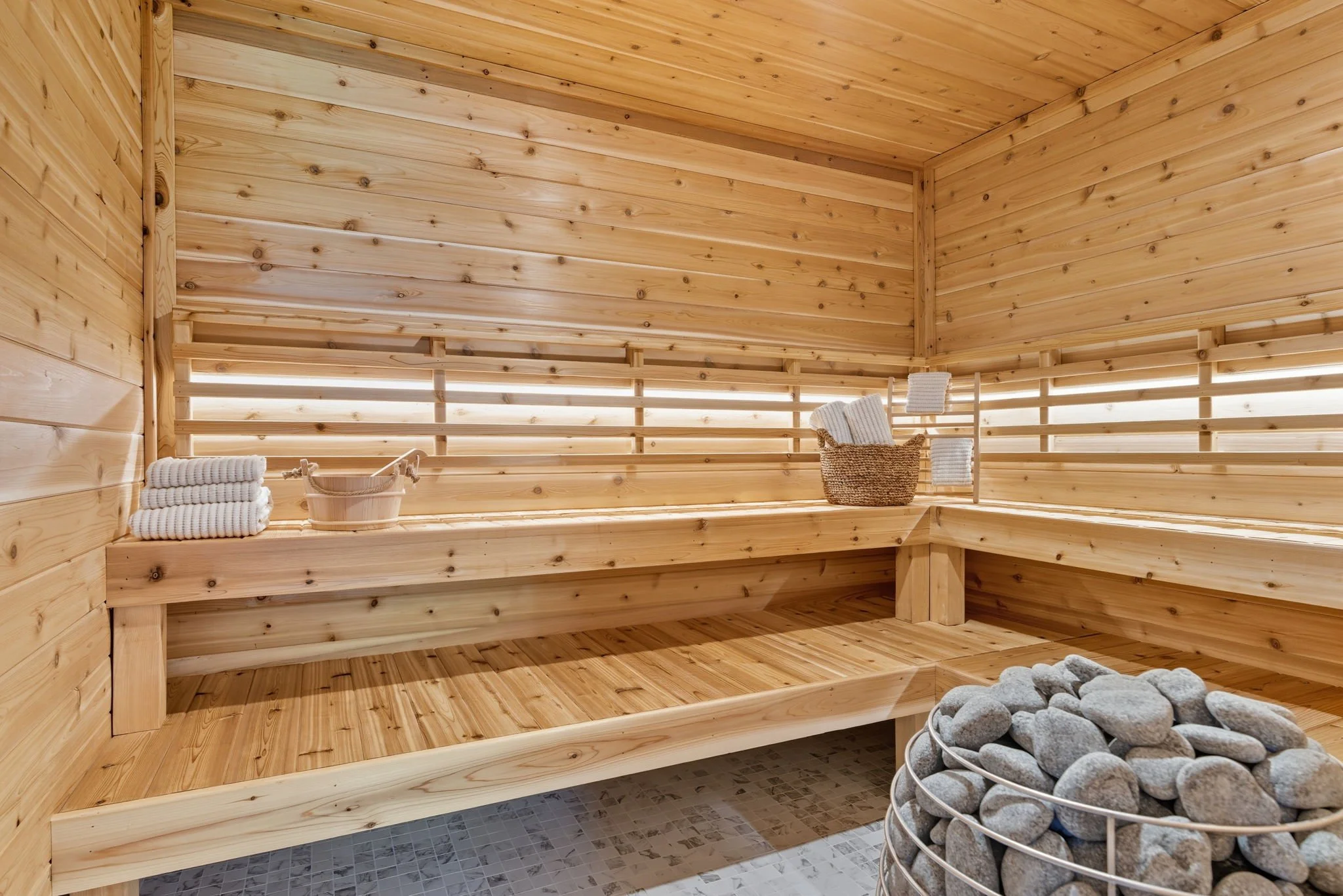
There's a particular kind of magic to a Central Virginia winter. One day it's 55°F and sunny; the next, you're watching snow blanket the yard while temperatures plunge into the twenties. We get ice storms that knock out power, nor'easters that dump a foot of snow overnight, and those gray January days when the only thing that sounds appealing is staying inside with a warm drink and a good book.
This is exactly why building a custom home—rather than buying an existing one—gives you such an advantage. When you design from scratch, you can build winter comfort into the very bones of your home, creating spaces that aren't just adequately heated, but genuinely cozy.
Here are the winter-ready features we recommend for every custom home in our region.
Radiant Floor Heating: Warmth from the Ground Up
If you've never experienced radiant floor heating, it's one of those upgrades that sounds like a luxury—until you live with it through a Virginia winter. Then it feels like a necessity.
Radiant heating systems work by circulating warm water through tubes installed beneath your flooring (or, in some cases, using electric heating elements). The heat rises evenly from the floor, warming the room from the bottom up rather than blowing hot air from vents near the ceiling.
The result? No more cold tile shocking you awake when you step out of bed on a January morning. No drafty spots or uneven temperatures. Just consistent, gentle warmth that makes every room feel inviting.
Where we recommend it: Primary bathrooms, kitchens, mudrooms, and basement living spaces are the most popular spots. Some homeowners choose to install it throughout the main living areas, particularly if they're using tile, stone, or luxury vinyl flooring.
Fireplaces: The Heart of a Winter Home
There's something about a fireplace that transforms a house into a home—especially during winter. It becomes the natural gathering spot, the place where families congregate on cold evenings and guests drift toward at parties.
Today's custom homes offer several fireplace options, each with distinct advantages:
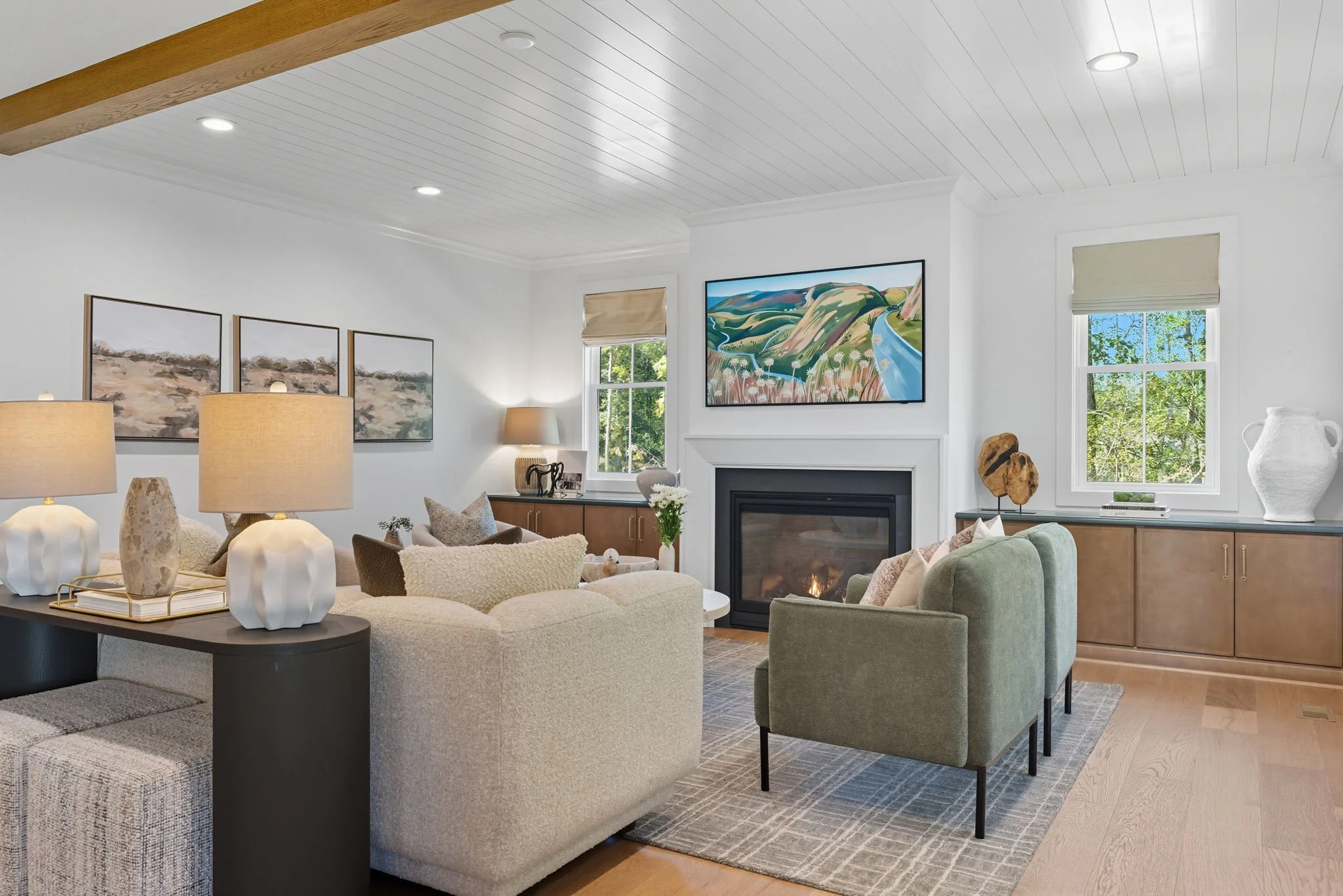
Gas fireplaces are the most popular choice for Central Virginia homes. They offer instant heat at the flip of a switch, no wood to haul or ashes to clean, and can operate during power outages (a real advantage during ice storms). Modern gas fireplaces produce realistic flames and can be designed with traditional or contemporary surrounds.
Wood-burning fireplaces appeal to homeowners who love the crackle and aroma of a real wood fire. They require more maintenance and a steady wood supply, but for many families, that ritual is part of the charm.
Electric fireplaces have come a long way in recent years. They're the most flexible option—no venting required—making them ideal for bedrooms, home offices, or additions where running gas lines isn't practical.
Design tip: Consider a double-sided fireplace between your great room and covered porch to extend your outdoor living season into the cooler months.
Superior Insulation: The Invisible Comfort Feature
Insulation isn't glamorous. You'll never show it off to guests or post photos of it on social media. But it might be the single most important factor in how comfortable your home feels during a Virginia winter—and how much you pay to heat it.
Older homes in our area often have inadequate insulation by today's standards, leading to drafty rooms, temperature swings, and heating bills that spike every January. When you build custom, you have the opportunity to do it right from the start.
Key areas to focus on include:
Attic insulation: Heat rises, and an under-insulated attic is like leaving a window open all winter. We recommend exceeding minimum code requirements for attic insulation in Central Virginia.
Wall insulation: Options range from traditional fiberglass batts to spray foam, which provides both insulation and air sealing in one application.
Crawl space conditioning: In our humid climate, an encapsulated and conditioned crawl space can improve comfort, reduce energy costs, and protect against moisture issues that plague many Virginia homes.
Windows and doors: High-performance windows with low-E coatings and insulated frames make a dramatic difference in comfort and energy efficiency. Quality entry doors with proper weatherstripping complete the building envelope.
HVAC Zoning: Comfort Where You Need It
Here's a scenario every homeowner knows: it's freezing in the bedrooms upstairs while the main floor feels like a sauna. Or the kitchen is comfortable, but the home office at the end of the hall never quite warms up.
Traditional single-zone HVAC systems treat your entire home as one space, which rarely matches how families actually live. A zoned system, by contrast, divides your home into separate areas—each with its own thermostat and the ability to heat (or cool) independently.
The benefits go beyond comfort:
Energy savings: Why heat the upstairs guest rooms to 70°F when no one's using them? Zoning lets you direct energy where it's needed.
Personal preferences: Some family members sleep better in cooler rooms; others want their bathroom toasty for morning routines. Zoning accommodates everyone.
Multi-story efficiency: Heat naturally rises, making upper floors warmer than lower ones. Zoning helps balance this inherent challenge in two-story homes.
At minimum, we recommend separate zones for the main living areas, bedrooms, and any bonus rooms or finished basement spaces.
The Mudroom: Your Winter Command Center
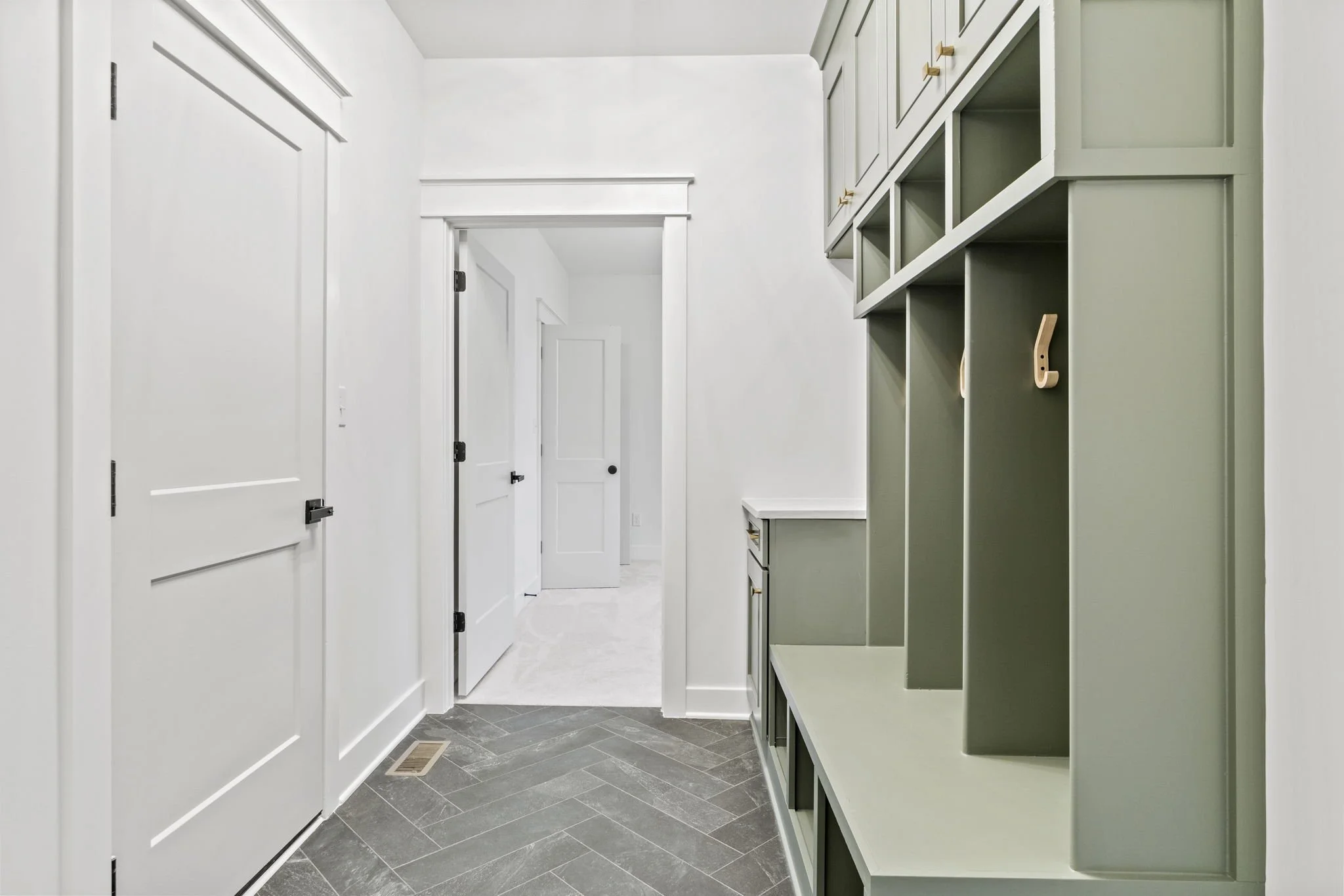
In Central Virginia, winter means wet boots, muddy dogs, snow-covered coats, and that awkward dance of trying to remove layers without tracking slush through the house. A well-designed mudroom solves all of this.
Think of the mudroom as the transition zone between the chaos of the outdoors and the comfort of your home. The best mudrooms include:
Durable, easy-to-clean flooring: Tile, luxury vinyl, or sealed concrete that can handle wet boots, rock salt, and the occasional mud puddle.
Built-in storage: Cubbies or lockers for each family member, hooks for coats and bags, and a bench for putting on and taking off shoes.
Boot trays or drying racks: A dedicated spot for wet footwear to drip-dry without creating puddles.
A utility sink: Perfect for rinsing muddy boots, washing the dog's paws, or filling a bucket for winter car washing.
Heated flooring: Remember that radiant heat we mentioned? The mudroom is an ideal spot, helping wet gear dry faster and keeping toes warm during the de-layering process.
Pro tip: Position your mudroom between the garage and kitchen for a natural flow. Coming home from errands? Drop coats and boots in the mudroom, then walk straight into the kitchen to unload groceries.
Bonus Winter Comfort Features Worth Considering
Beyond the essentials, here are a few additional features that can make Virginia winters more enjoyable:

Whole-home generator hookup: Ice storms can knock out power for days. A generator transfer switch lets you keep heat, refrigeration, and essential circuits running during outages.
Heated garage: A heated or semi-conditioned garage makes winter mornings easier—no scraping windshields, no frigid car seats, and a comfortable space for projects year-round.
South-facing windows: Passive solar design orients living spaces to capture winter sun, providing free warmth on cold but sunny days.
Covered outdoor living: A screened porch or covered patio with a ceiling fan (to push warm air down) and an outdoor heater extends your usable outdoor season well into fall and early spring.
Smart thermostats: Program your heating to match your family's schedule, adjust temperatures remotely, and track energy usage over time.
Building for Every Season
At Keel Custom Homes, we love that Central Virginia gives us four distinct seasons. Our job is to help you design a home that's comfortable through all of them—from the humid days of August to the unpredictable cold snaps of January.
When you build custom, you're not retrofitting winter comfort into a home that wasn't designed for it. You're building it in from day one, creating a home that wraps around you like a warm blanket when the temperature drops.
That's what we mean by "cozy by design."
Ready to Design Your Winter-Ready Home?
If you're dreaming of a custom home in Central Virginia—one that's as comfortable in February as it is in July—we'd love to talk. Our team can walk you through the features that make the biggest difference for our climate and help you prioritize what matters most for your family and budget.
Explore our floor plans and communities or reach out to schedule a conversation about your custom home journey.