
Custom Home Budgeting: Where to Save and Where to Splurge
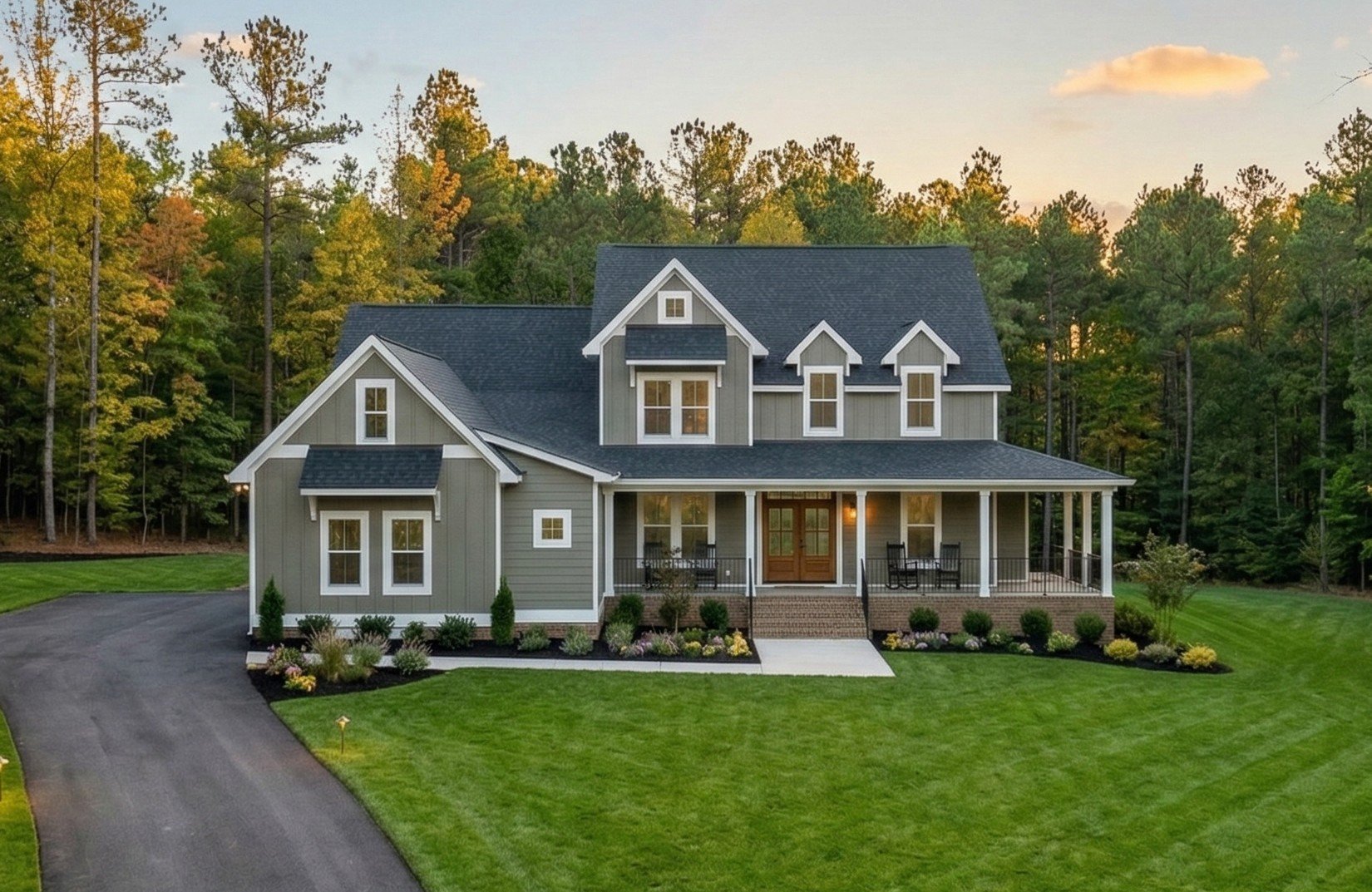
One of the first questions we hear from buyers considering a custom build is some version of: "How do I make sure I don't blow the budget?"
It's a fair concern. When you're building from scratch, every decision — from your foundation depth to your cabinet pulls — has a price tag attached. And if you're not careful, a series of small upgrades can quietly add $30K–$50K to your build without you realizing it until the final invoice.
But here's the thing most people don't hear enough: you don't have to splurge on everything to get a home that looks and feels high-end. The secret is knowing which decisions are permanent and which ones you can revisit in five years. Get that distinction right, and you can build a home that's structurally excellent, beautifully finished in the places that matter most, and smartly economical everywhere else.
At Keel Custom Homes, we walk clients through these tradeoffs every day. Here's how we think about it and the specific guidance we give our buyers in the Richmond area.
The One Question That Should Guide Every Decision
Before we get into specifics, here's the simple framework that makes budgeting a custom home dramatically less stressful:
"Can I change this later — easily and affordably?"
If the answer is yes — like swapping out a light fixture or repainting a room — that's a save candidate. If the answer is no — like your foundation, your roof structure, your insulation, or your plumbing layout — that's where you invest.
This isn't just our philosophy. It's backed by how construction costs actually break down. According to the NAHB's 2024 Cost of Construction Survey, the biggest cost drivers in a new home are interior finishes (24.1% of construction costs), major systems rough-ins like plumbing, electrical, and HVAC (19.2%), and framing (16.6%). Foundation and site work account for another 18%, and exterior finishes round out at roughly 13.5%. (NAHB Cost of Construction Survey 2024)
The structural and systems categories — the stuff buried in your walls, under your slab, and above your ceiling — are exactly where you should spend confidently. The interior finishes are where you have the most flexibility to save strategically without compromising your home's long-term quality.
Always Splurge: The Stuff Inside Your Walls
These are the decisions you'll live with for 30+ years. Cutting corners here doesn't save money — it just defers the cost to a future version of you who'll pay more to fix it.
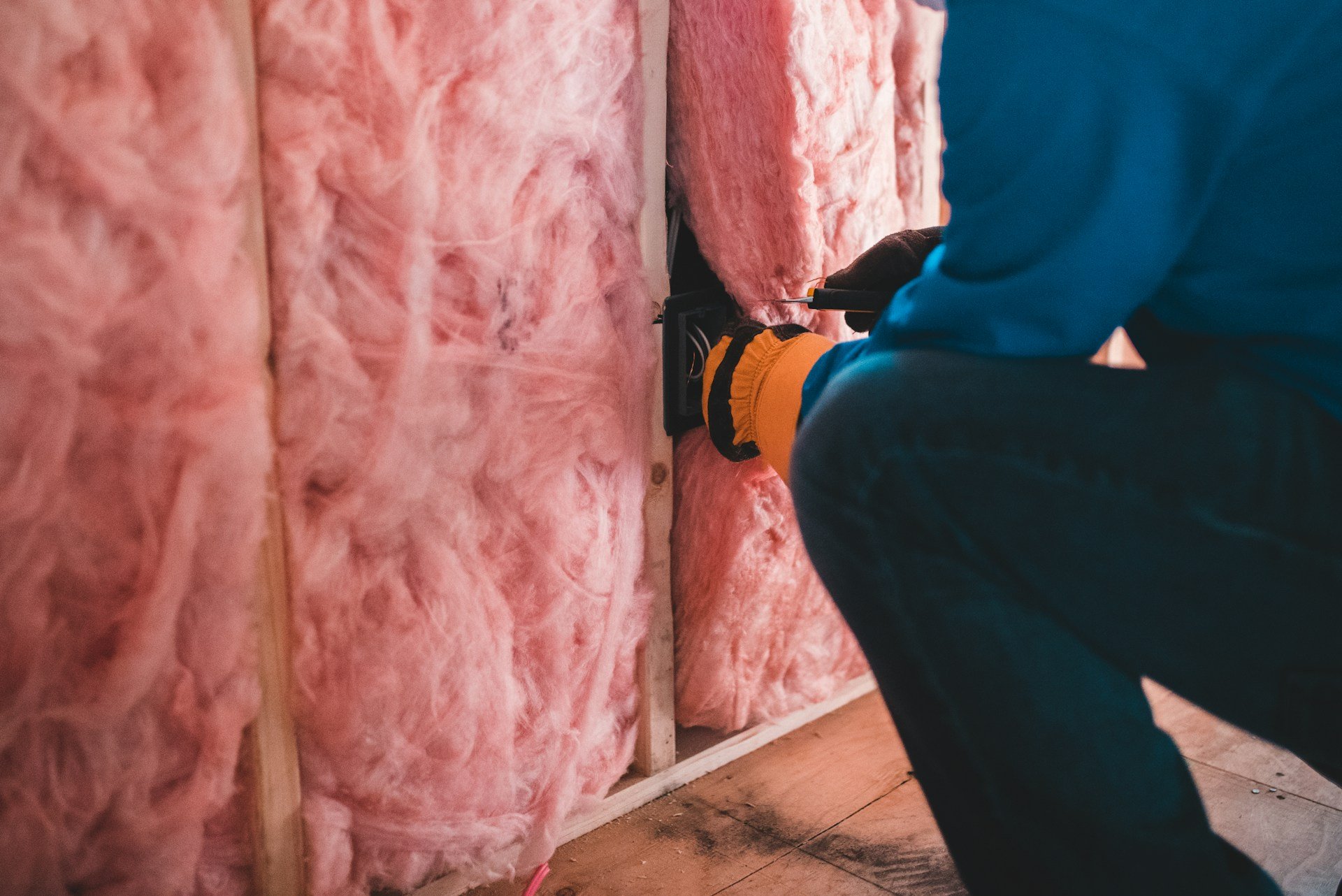
Photo by Erik Mclean on Unsplash
Insulation and air sealing. This is arguably the single highest-ROI decision in your entire build. Proper insulation and air sealing affect every energy bill you'll ever pay, every room's comfort level, and how hard your HVAC system has to work. The U.S. Department of Energy estimates that 25–30% of a home's heating and cooling energy is lost through poorly insulated building envelope components. In Richmond's climate — with humid summers and genuine winters — upgrading from code-minimum to high-performance insulation (spray foam in critical areas, blown cellulose in attic spaces, properly sealed rim joists) might add $3,000–$8,000 to your build. But you'll recoup that through lower utility bills every single month, and your home will simply feel better to live in.
HVAC system. Don't settle for the minimum equipment. A properly sized, high-efficiency HVAC system with variable-speed technology will run quieter, last longer, and cost less to operate. In a 2,500 sq ft Richmond-area home, the difference between a builder-grade 14 SEER system and a high-efficiency 18+ SEER unit might be $4,000–$7,000 upfront — but it can save $400–$800 per year in energy costs and typically lasts 5–8 years longer. When your HVAC is built into the house from day one, everything is sized, ducted, and zoned correctly. Retrofitting later is dramatically more expensive.
Windows. ENERGY STAR-rated windows were the third most-wanted feature in NAHB's latest home buyer preference study, with 83% of buyers rating them essential or desirable. And the data backs up the enthusiasm: replacing standard windows with high-performance, low-E, argon-filled units can save $200–$600 per year in energy costs and recover 65–75% of their cost at resale. In a custom build, upgrading your window package is a fraction of the cost of replacing windows after the fact. This is the time to get it right.
Roofing. A 30-year architectural shingle versus a 50-year premium shingle might be a $4,000–$8,000 difference on a typical Richmond custom home. But a full roof replacement in 20 years will cost $15,000–$25,000 in today's dollars — plus the hassle. Go with the longer-lasting material.
Plumbing and electrical rough-ins. The pipe runs, wire gauges, panel capacity, and fixture locations you choose during framing are essentially permanent. Even if you're not ready to install a steam shower or EV charger today, running the rough plumbing and pre-wiring during construction costs a fraction of what it would to retrofit later. Think of it as buying options on your future lifestyle.
Foundation and framing. These are non-negotiable — you can't upgrade your foundation after the house is built. Work with your builder to make sure the structural engineering is right, the grading is proper, and any site-specific challenges (Richmond's clay soils, for example) are addressed correctly. This is not the place to value-engineer.
Smart Splurge: The High-Impact Visible Spaces
These areas aren't structural, but they disproportionately affect how your home looks, feels, and functions on a daily basis — and they significantly impact resale value.
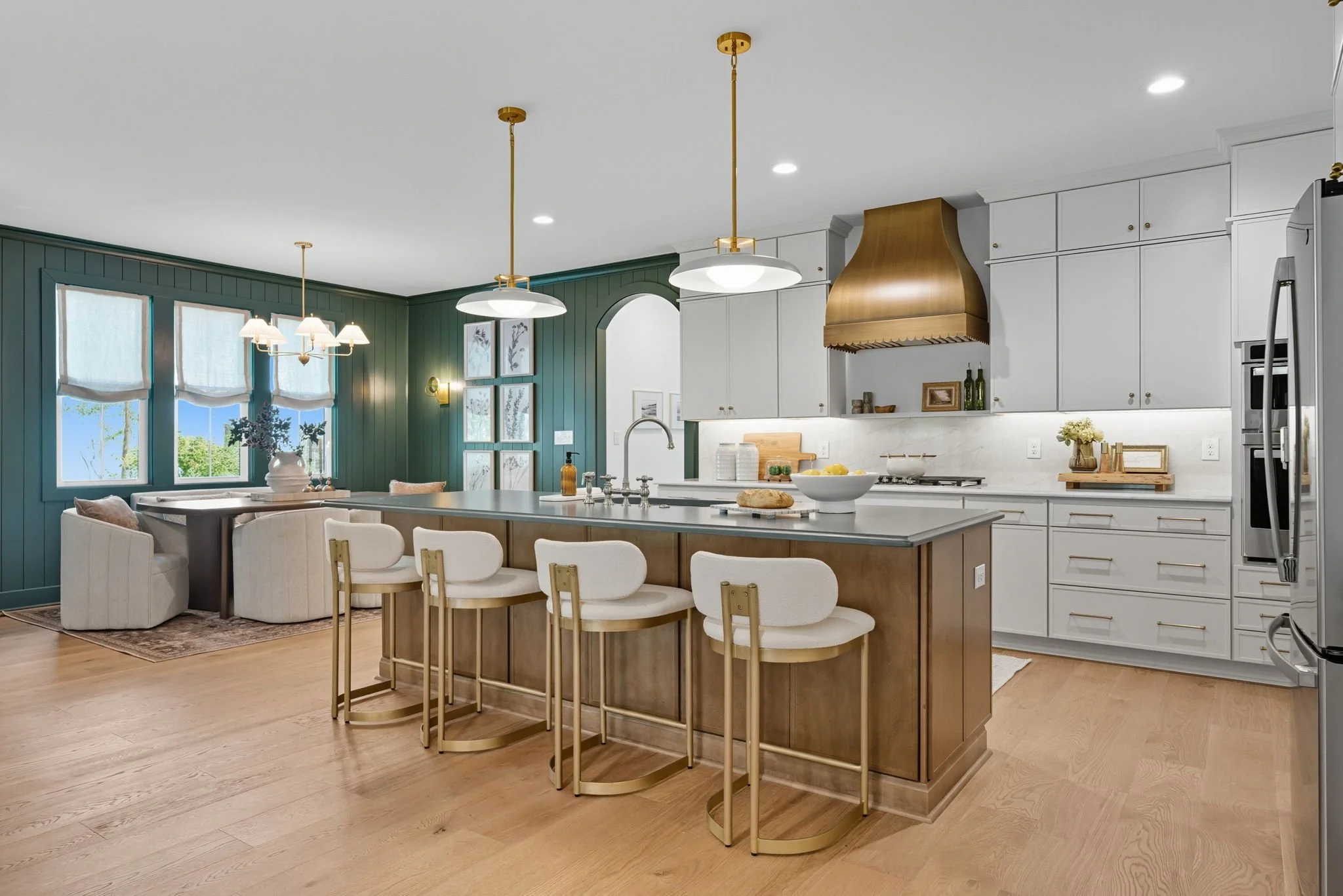
Kitchen. The kitchen is the most-used room in most homes and the single biggest driver of perceived home value. This doesn't mean you need $80,000 worth of appliances and exotic stone. It means: invest in a thoughtful layout (the kind of thing you can only get right during the design phase), quality cabinetry with soft-close hardware and durable finishes, solid countertops in your primary work areas, and a functional island if your floor plan allows it. You don't need the most expensive everything — but the kitchen is the wrong place to go with the cheapest option on every line item.

Primary bathroom. After the kitchen, your primary bath is the space where finish quality matters most for daily satisfaction. A well-tiled walk-in shower, quality fixtures from a reputable manufacturer, and proper ventilation (a quiet, high-CFM exhaust fan) make a meaningful difference in how your home feels. This is a room you'll use twice a day, every day, for as long as you live there.
Exterior materials. Your home's exterior is its first impression — and it takes the full brunt of Richmond's weather: UV exposure, humidity, freeze-thaw cycles, and occasional storm damage. Fiber cement siding (like HardiePlank) costs more than vinyl but lasts significantly longer, holds paint better, and resists rot and insects. Quality brick or stone accents add visual weight and require almost zero maintenance over the life of the home. This is the face your house shows the world for decades.
Floor plan and ceiling height. This is the one area where "splurging" costs nothing in materials — it's all in the design phase. An open kitchen-to-family room layout, a well-placed mudroom, a first-floor primary suite, strategic ceiling height variation (9-foot standard with a vaulted great room, for example) — these decisions are essentially free to get right during design and impossible to change later without major renovation. Spend time here. It's the best investment in your build.
Strategic Saves: Where to Be Smart Without Sacrificing Quality
Here's the good news: there are plenty of areas where pulling back doesn't mean settling. It means being strategic.
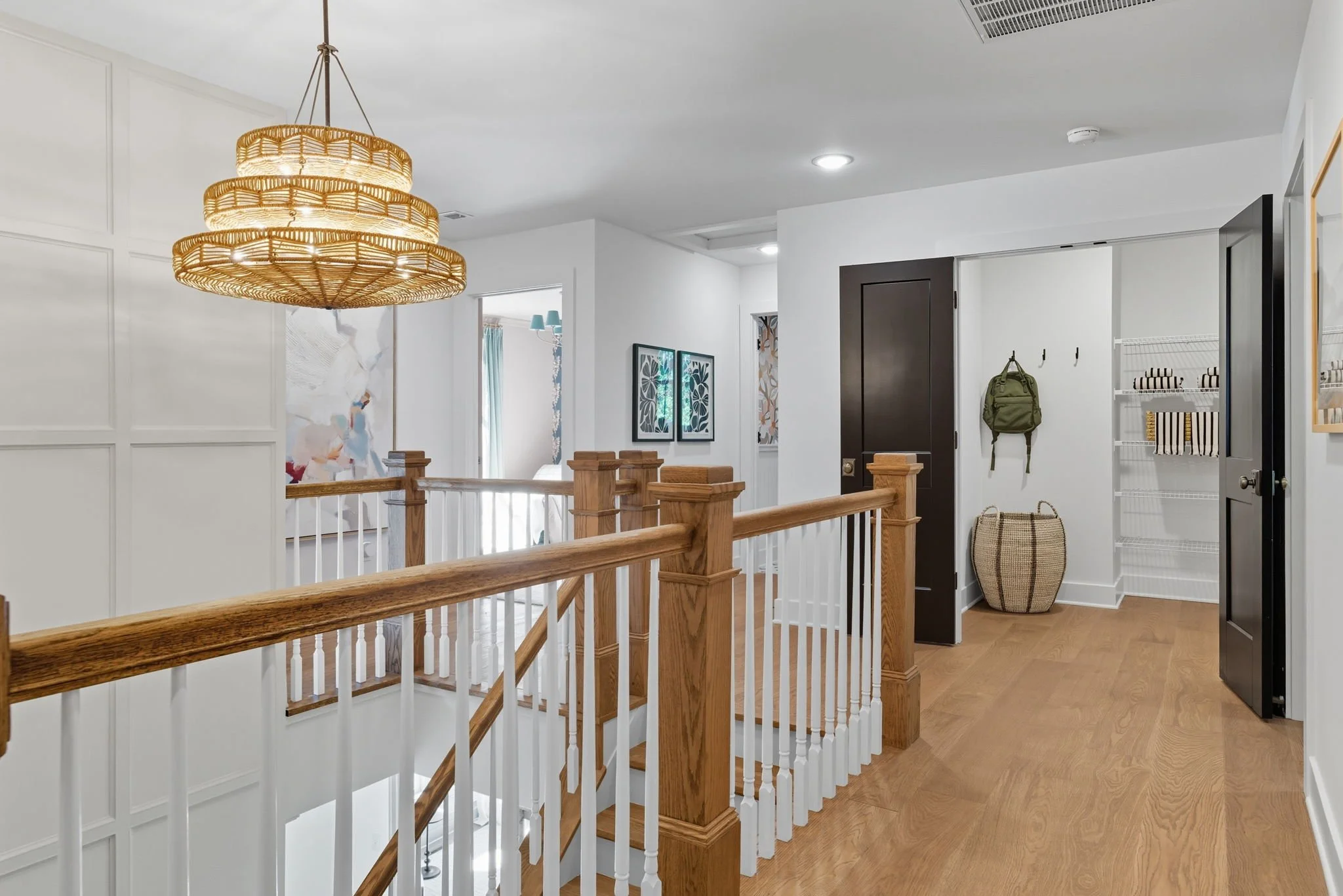
Light fixtures. This is the single easiest thing to upgrade later. A basic builder-grade fixture in a bedroom or hallway can be swapped for a designer piece in 20 minutes with a screwdriver. Save across the board on lighting during construction, then invest in statement fixtures for your dining room and entryway once you've lived in the space and know what feels right. Budget-friendly fixtures from quality manufacturers look great and can always be replaced when inspiration (or a sale) strikes.
Cabinet hardware. Knobs and pulls are a $200–$500 swap for an entire kitchen — and trends change every few years. Start with clean, simple hardware and upgrade when you're ready. This is one of the lowest-cost, highest-impact cosmetic changes you can make at any time.
Secondary bathroom finishes. Your guest bath and kids' bathrooms don't need the same level of finish as your primary. A clean porcelain tile, a solid vanity top, and good-quality (not luxury) fixtures will serve these rooms well for years. The difference between a $2,500 secondary bathroom and a $6,000 one is almost entirely cosmetic — and cosmetics can be updated.

Interior paint and wall treatments. Paint is the ultimate budget equalizer. A $50 gallon of high-quality paint in a well-chosen color will make almost any room look intentional and polished. Accent walls, wallpaper, and specialty finishes can all be added later for relatively little cost. During construction, focus on getting a smooth, well-prepped surface with a neutral base coat. You can get creative once you're moved in.
Landscaping. Beyond basic grading, drainage, and a starter lawn (which your builder should handle), most landscaping can and should wait. It's far better to live in your home for a season, see how the light falls, where the water flows, and where you actually spend time outdoors before investing in hardscaping and planting. A phased landscaping plan executed over 1–2 years will almost always produce a better result than trying to do everything at closing.
Unfinished spaces. If your plan includes a basement or bonus room you won't use immediately, leave it unfinished. You'll save $15,000–$30,000 on a typical basement finish-out, and you won't have to make design decisions under budget pressure. The rough-in work (plumbing for a future bath, electrical runs, HVAC ducting) should be done during construction — that's cheap to do now and expensive to add later. But the actual finishes can wait.
The Gray Area: It Depends on You
Some decisions don't fit neatly into "splurge" or "save" — they depend on your specific lifestyle, priorities, and how long you plan to stay.

Flooring. The general rule: splurge on materials in high-traffic, high-visibility areas (kitchen, great room, entryway, powder room) and save in private spaces (bedrooms, closets, upstairs hallways). Engineered hardwood in the main living areas with luxury vinyl plank in the bedrooms is a common and smart strategy that can save $5,000–$10,000 on a typical build without any visible compromise to guests.
Appliances. You don't need commercial-grade appliances to cook great meals. Mid-range brands offer excellent reliability and performance at 40–60% of the cost of premium European brands. That said, if cooking is central to your lifestyle and you plan to stay in the home long-term, a quality range or cooktop is worth the investment. The key is being honest about which appliances you'll actually use at a level that justifies the premium.
Smart home infrastructure. Pre-wiring for smart home technology during construction is almost always worth it — running Cat6 cable, installing smart switches, and pre-wiring for security cameras costs relatively little during the rough-in phase. The devices themselves (cameras, thermostats, locks) can be added incrementally and upgraded as technology improves. Don't skip the wiring; be selective about the devices.
Garage. A third garage bay adds meaningful utility and resale value in the Richmond market, where outdoor storage needs are real and many buyers are coming from homes with two-car garages that aren't big enough. If your lot and budget allow it, the third bay is usually worth the additional $15,000–$25,000 in construction cost. Interior garage finishing (epoxy floors, insulated garage doors, built-in storage) can always be added later.
Richmond-Specific Considerations

Building in the Richmond metro comes with some region-specific factors worth keeping in mind:
Clay soils. Much of Chesterfield, Henrico, and parts of Hanover sit on expansive clay soil that swells when wet and shrinks when dry. This makes foundation work critically important — and a poor place to cut costs. Proper site prep, drainage, and foundation engineering aren't optional here.
Humidity and moisture management. Richmond's humid subtropical climate means your building envelope strategy (insulation, vapor barriers, air sealing, ventilation) matters more than it might in a drier market. Investing in a dehumidification strategy — whether integrated into your HVAC or as a standalone system — protects your home's structure and your indoor air quality.
Energy costs. Dominion Energy rates in the Richmond area run roughly $0.12–$0.14 per kWh. At that rate, the difference between a well-insulated, high-efficiency home and a code-minimum build can easily be $1,200–$2,000 per year in utility costs. Over a 30-year mortgage, that's $36,000–$60,000 in lifetime energy savings — real money that justifies investing in your building envelope and mechanical systems.
Resale context. With roughly 70% of Richmond's housing stock over 20 years old and a median home age of 32 years in the metro, a new custom home with modern systems and finishes stands out dramatically in the resale market. Buyers will pay a premium for a home where everything works, nothing needs replacing, and the energy bills are half of what a comparable 1990s home costs to operate.
The Three Most Expensive Mistakes We See
After building custom homes in the Richmond area for years, we've noticed three budgeting mistakes that come up more than any others:
Mistake #1: Upgrading everything at the same tier. Not every room needs the same level of finish. A home with an incredible kitchen and a simple-but-clean guest bath is far more satisfying (and valuable) than a home where every room is finished to a mediocre middle ground. Be willing to have contrast in your finish levels — that's actually how well-designed homes work.
Mistake #2: Skipping the stuff you can't see. It's tempting to redirect money from insulation or HVAC efficiency toward visible upgrades like countertops or tile. Don't. The things inside your walls, under your floors, and above your ceilings are what determine whether your home is comfortable, efficient, and durable for decades — or whether you're dealing with cold spots, high energy bills, and premature system failures.
Mistake #3: Not building in a contingency. We recommend holding 5–10% of your total construction budget as a contingency fund. Not because something will go wrong, but because you'll discover things during the build that you want to adjust — an electrical outlet you didn't think of, a window you want to upsize, a tile pattern that's perfect but slightly over your original allowance. Having a cushion means you can say yes to the right upgrades without panic.
A Simple Framework for Your Build
Here's a quick reference for how we typically advise our clients:
Invest confidently in foundation, framing, roofing, insulation, HVAC, windows, plumbing/electrical rough-ins, and your floor plan layout. These are permanent, high-impact, and expensive or impossible to change later.
Splurge thoughtfully on your kitchen, primary bathroom, exterior materials, and any space you'll use daily. These drive satisfaction and resale value.
Save strategically on lighting fixtures, cabinet hardware, secondary bath finishes, interior paint, landscaping (phase it), and unfinished bonus spaces. These are all easy and affordable to upgrade later.
Decide based on your lifestyle when it comes to flooring distribution, appliance tier, smart home devices, and garage configuration.
Ready to Start Planning Your Budget?
At Keel Custom Homes, we build custom and semi-custom homes throughout the Richmond metro — from Chesterfield and Henrico to Goochland, Hanover, New Kent, and Powhatan. Our builds typically range from $175 to $300+ per square foot depending on your finishes and floor plan, and we provide detailed, transparent cost breakdowns so you know exactly where every dollar is going.
If you're thinking about building custom and want to understand what's realistic for your budget, we'd love to have that conversation. No pressure — just an honest look at the numbers and the tradeoffs.