
March Madness Ready: Designing the Ultimate Game Day Space in Your Custom Home
There's a moment every March when the bracket gets released and suddenly nothing else matters.
Sixty-eight teams. Sixty-seven games. Three weeks of buzzer-beaters, bracket-busters, and the collective gasp of a nation watching a 15-seed take down a powerhouse. March Madness isn't just a tournament—it's a season, a ritual, a reason to gather with friends and family around a screen and lose yourself in the drama.
And if you're building a custom home, you have an opportunity that most homeowners don't: to design a space specifically for moments like these.
Not a living room where you happen to watch TV. Not a basement you've awkwardly converted. A genuine game day space—designed from the ground up for watching, hosting, and celebrating.
Here's how to make it happen.
The Media Room: Your Personal Arena
Let's start with the crown jewel of game day design: a dedicated media room.
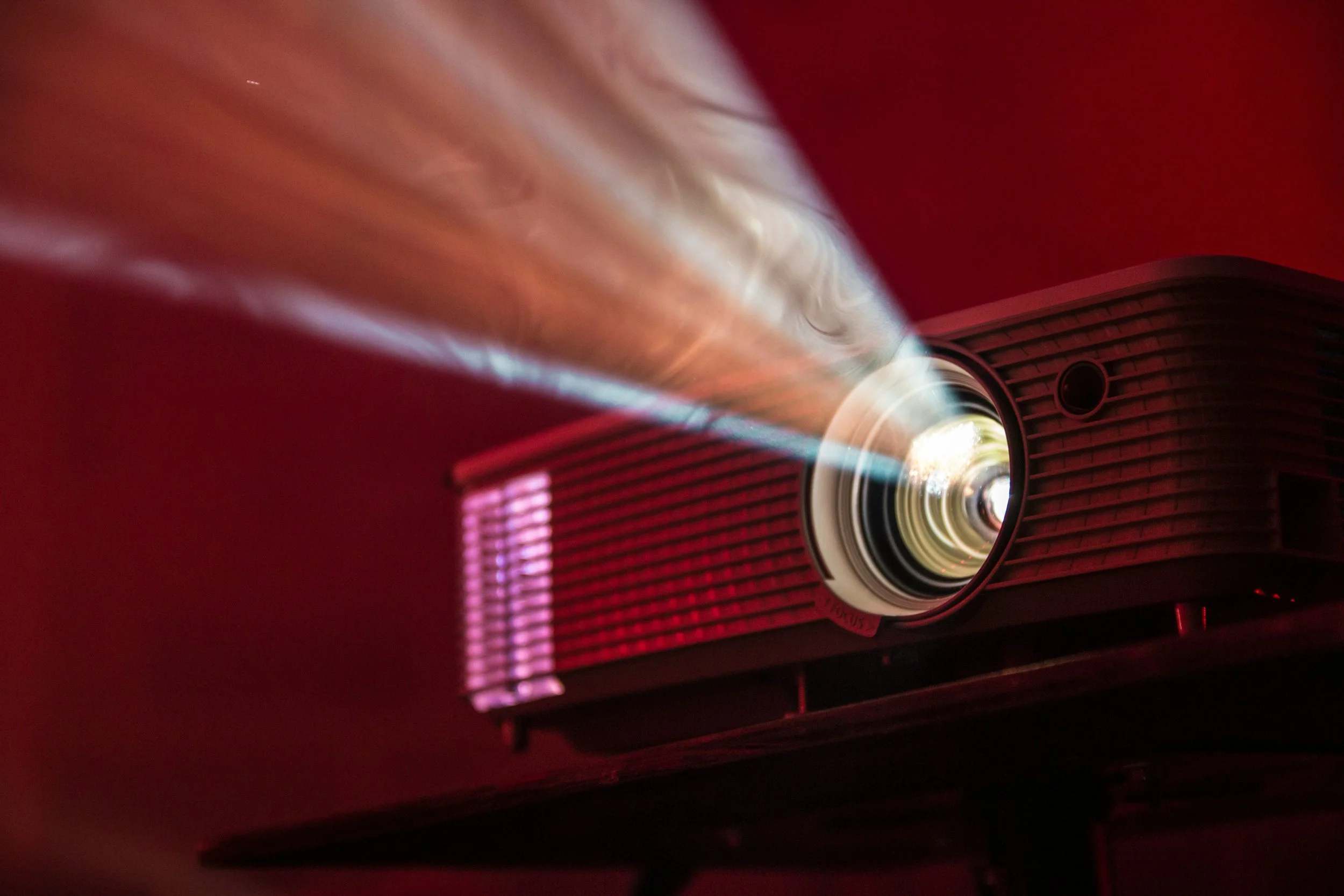
Photo by Alex Litvin on Unsplash
Unlike a living room with a TV, a media room is purpose-built for viewing. The layout, lighting, acoustics, and technology all work together to create an immersive experience that makes you feel like you're courtside—without the $500 ticket price.
The Screen Question: TV vs. Projector
For years, the debate has been TV versus projector. Today, both options are better than ever.

Large-format TVs (75" and up) offer stunning picture quality, high brightness for rooms with ambient light, and simple setup. Modern 85" and even 98" screens bring theater-scale viewing to homes without the complexity of projection.
Projectors and screens still win for sheer size. A 120" or 150" screen creates an experience no TV can match. Laser projectors have eliminated bulb replacement hassles, and short-throw models can work in smaller rooms. The trade-off: you'll need better light control.
The custom home advantage: When you're building new, you can design the room around your choice. A projector room needs a dedicated screen wall and light-blocking window treatments—easy to plan, expensive to retrofit. A TV room needs proper wall blocking for heavy mounts and appropriately sized furniture arrangements. Either way, planning ahead beats adapting later.
Seating: Comfort for the Long Haul

March Madness means long viewing sessions. First-round Thursday? That's 12+ hours of basketball. Your seating needs to be genuinely comfortable, not "looks nice in a showroom" comfortable.
Theater seating with reclining capability, cup holders, and USB charging creates the full cinema experience. Rows can be tiered on a platform for clear sightlines from every seat.
Sectional sofas offer flexibility and a more casual vibe. Look for deep seats, durable fabrics (leather or performance upholstery), and configurations that let multiple people stretch out.
The hybrid approach: Front-row recliners for the serious fans, a sectional or bar seating behind for the socializers. Different people watch differently—design for both.
Lighting That Sets the Mood
Nothing ruins a viewing experience like glare on the screen or overhead lights you can't dim.
Plan for these lighting elements:
Dimmable overhead fixtures: Set them low during games, bright for halftime conversations
Rope lighting or LED strips: Along the floor or ceiling edges for ambient glow without screen interference
Sconces: Subtle wall lighting that adds warmth without glare
Smart controls: One-button "game time" scenes that dim everything perfectly
Windows: If your media room has them, plan for blackout capability. Motorized shades that disappear into the ceiling are seamless and functional.
Sound: The Difference Between Watching and Experiencing
You can have a beautiful screen, perfect lighting, and luxurious seating—but if the sound is mediocre, the experience falls flat. Great audio makes you feel the game.
Pre-Wire Everything

This is the single most important thing custom home builders can do for their media experience: pre-wire before the drywall goes up.
Running speaker wire, HDMI cables, and network connections through finished walls is expensive, messy, and limiting. Running them during construction is cheap and invisible. You're looking at a few hundred dollars during construction versus thousands (and visible compromises) after.
What to pre-wire for:
Surround sound speakers: 5.1 is standard; 7.1 or Atmos-enabled setups are increasingly popular. Run wire to all potential speaker locations even if you're not installing everything immediately.
In-ceiling speakers: For Dolby Atmos height channels or whole-room audio
Subwoofer location: Often in a corner or along a side wall
Equipment rack location: Centralize your receivers, streaming devices, and gaming consoles in a closet or cabinet with proper ventilation
HDMI and network runs: Cat6 cable to every room where you might want a TV, plus multiple runs to your primary media room
Pro tip: Have your electrician install conduit (empty tubing) in addition to current wiring. Technology changes. Conduit lets you pull new cables in the future without opening walls.
Acoustic Considerations
Hard surfaces reflect sound. Soft surfaces absorb it. A room full of leather seating, hardwood floors, and drywall will sound harsh and echoey.
Simple acoustic improvements:
Area rugs on hard floors
Upholstered furniture rather than all-leather
Acoustic panels on side and rear walls (these can be decorative)
Heavy curtains on windows
For dedicated theater rooms, consider professional acoustic design. Proper placement of absorption and diffusion panels can transform an average-sounding room into something genuinely impressive.
The Open-Concept Game Day: When the Party Spreads Out
Not everyone wants a dedicated theater room. For many families, the best game day setup integrates with the main living space—a great room where the TV is the focal point but the kitchen is steps away, and conversation flows as easily as the drinks.
Designing an Open Floor Plan for Entertaining
Open-concept living is ideal for watch parties because it keeps everyone connected. The host can prep food without missing the action. The casual fan can chat in the kitchen while the diehards focus on the screen. Kids can play nearby while parents keep an eye on both them and the game.
Key design elements:
Sightlines to the TV from the kitchen: Position your screen so it's visible from the island or cooking area
A large, functional island: This becomes party central—buffet space, drink station, and gathering spot
Multiple seating zones: Some facing the TV directly, others arranged for conversation
Flow space: Wide pathways between zones so people can move without blocking views
The great room TV debate: In open-concept spaces, the TV often competes with windows, fireplaces, and other focal points. Work with your designer to find a wall that makes sense—ideally not opposite large windows (glare) and not competing with a fireplace for attention. Sometimes the answer is a dedicated TV wall with built-in cabinetry that gives the screen a proper home.
The Wet Bar: Keeping the Drinks Flowing
A well-designed wet bar transforms hosting. Instead of constant trips to the kitchen, guests can help themselves. Instead of crowding around the refrigerator, the drinks have their own zone.
Wet Bar Essentials
The basics:
Sink: Even a small bar sink makes a difference—rinsing glasses, filling ice buckets, mixing drinks
Under-counter refrigerator: Dedicated drink storage means your kitchen fridge stays accessible for food
Counter space: Room for bottles, mixers, glassware, and actual drink-making
Storage: Cabinets or shelving for glassware, barware, and backup supplies
The upgrades:
Ice maker: A dedicated ice maker means you're never scrambling for cubes during a party
Kegerator: For the serious beer enthusiast, draft beer on tap at home
Wine storage: Built-in wine refrigerator or display shelving
Glass-front cabinets: Show off your glassware collection and make it easy for guests to find what they need
Placement Matters
The best location for a wet bar depends on your floor plan and how you entertain.
Near the media room: Keeps traffic away from viewing sightlines while providing easy access for viewers
In the great room: Makes it part of the main gathering space, ideal for open-concept entertaining
Adjacent to outdoor living: Perfect for warm-weather parties that flow between inside and out
In a finished basement: Natural pairing with a basement media room or rec space
Taking the Party Outside: Outdoor Entertainment Spaces
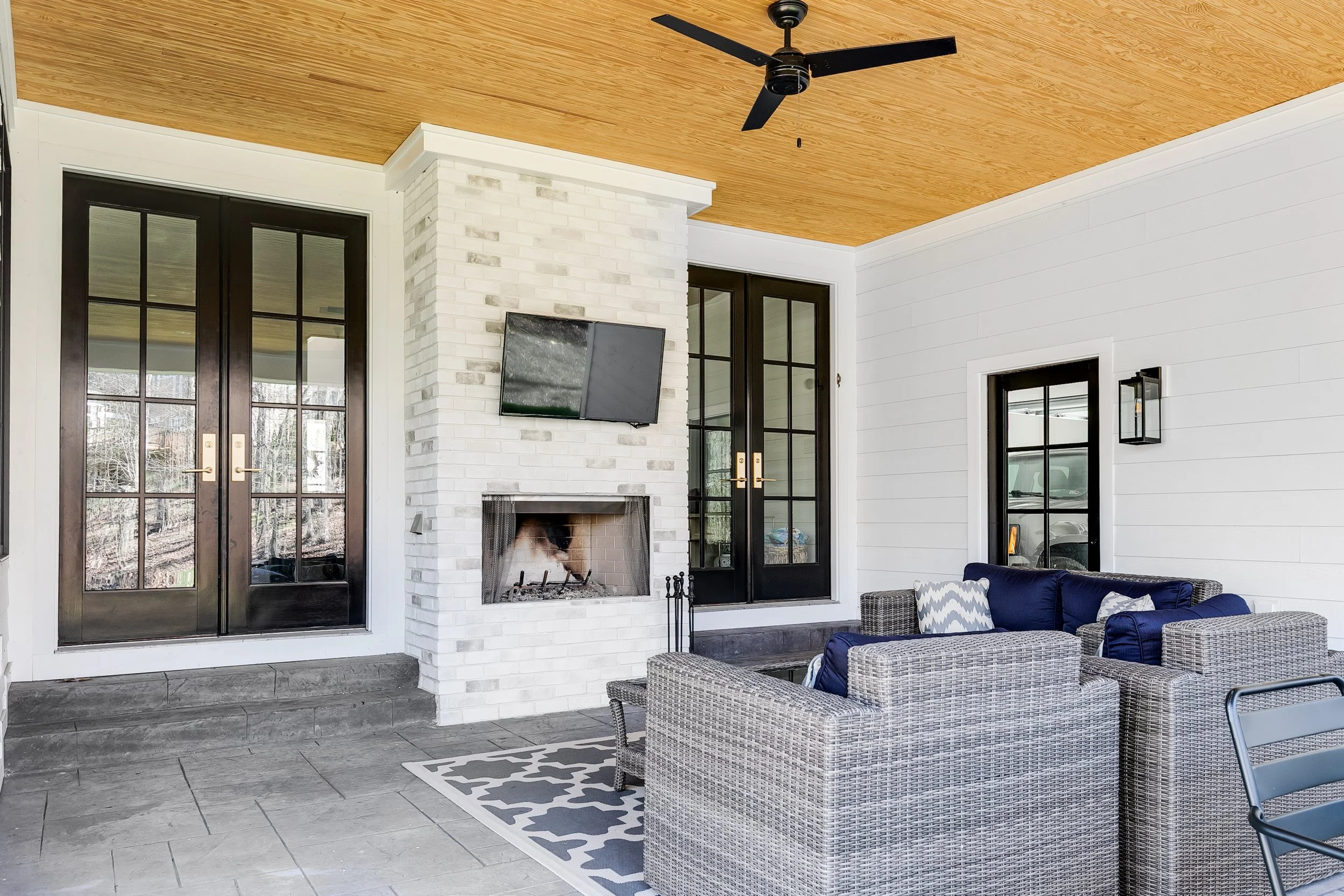
March in Virginia can be unpredictable—some years it's warm enough for outdoor viewing, others you're still waiting for spring. But as the tournament progresses into April, outdoor entertaining becomes increasingly appealing.
Outdoor TV Options
Weatherproof TVs: Purpose-built outdoor televisions can handle temperature swings, humidity, and rain. They're brighter than indoor models (essential for daytime viewing) but significantly more expensive.
Indoor TV with protection: A covered porch or screened porch can accommodate a standard indoor TV, as long as it's protected from direct rain and extreme temperatures. Many homeowners mount a TV in these semi-protected spaces without issue.
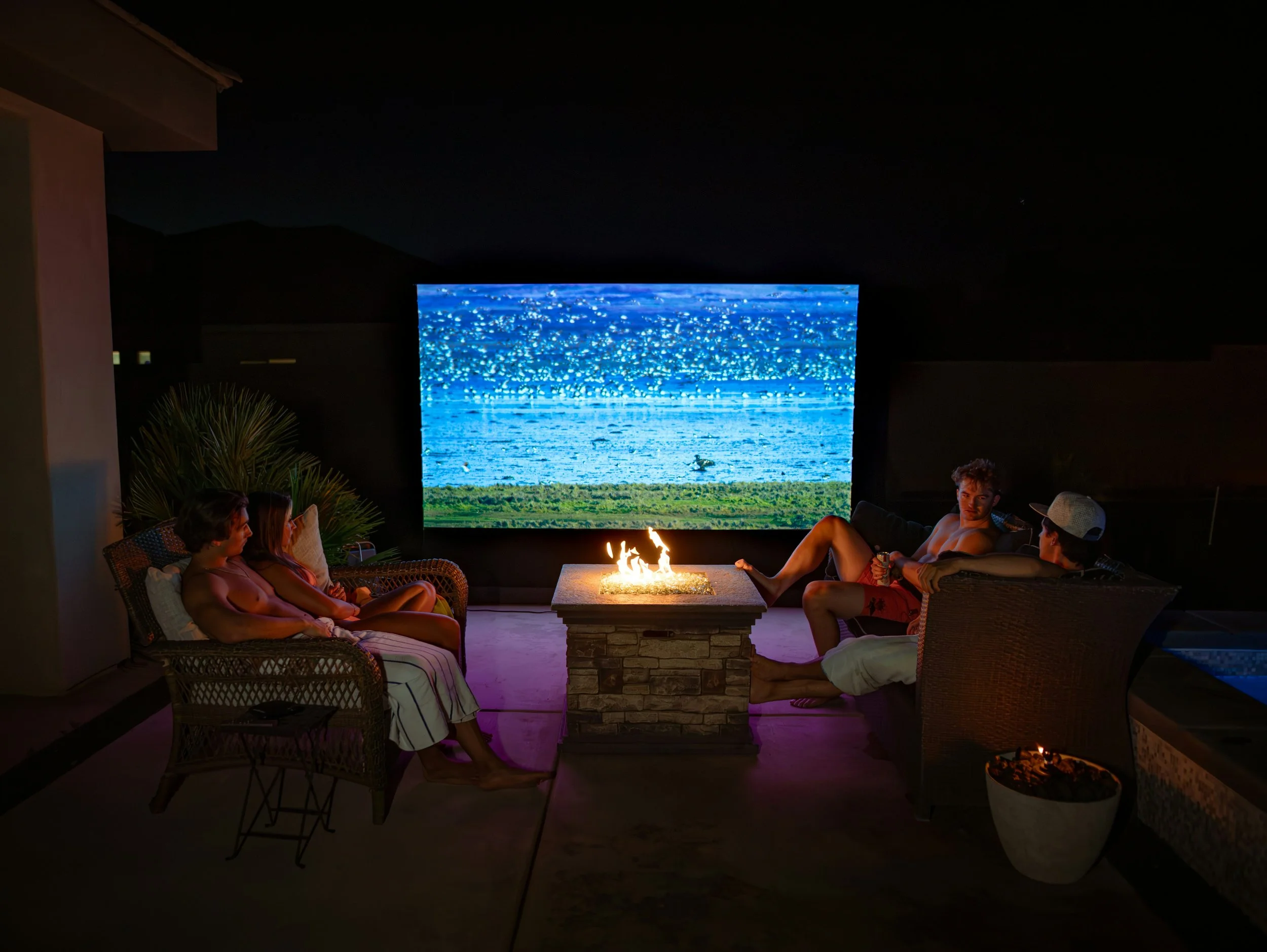
Photo by AWOL Vision Projector on Unsplash
Portable setups: A rolling cart with an indoor TV that you bring out for events is the budget-friendly approach—just plan for an accessible outlet and protect the TV if weather turns.
The Covered Porch or Screened Porch
This is Central Virginia's sweet spot for outdoor entertainment. A covered space extends your usable season dramatically—from early spring through late fall.
Game day features to consider:
Ceiling fan: Keeps air moving and bugs at bay
Outdoor-rated electrical: Outlets for TV, sound bar, and whatever else you need
Comfortable seating: Outdoor furniture has come a long way—you can get genuinely comfortable sectionals and lounge chairs rated for the elements
Heater options: A ceiling-mounted electric heater or portable propane heater extends the season into cooler months
Sound: Weather-resistant outdoor speakers that integrate with your whole-home audio system
Fire Pits and Outdoor Gathering
Even without a TV, an outdoor fire feature creates a natural gathering spot. After the game (or during halftime), the fire pit becomes the place where conversations happen and the party continues.
The Flexible Bonus Room: Game Day and Every Day
Not every family needs—or wants—a dedicated media room. But almost every family can use a bonus room: flexible square footage that adapts to whatever life demands.
Bonus Room as Game Day Headquarters
A bonus room over the garage, in the basement, or on the second floor can easily become your game day zone:
Large TV and comfortable seating for viewing
Minimal precious furniture or decor—this is a space where people can relax, snacks can spill, and nobody stresses
Easy-clean flooring: Luxury vinyl, tile, or commercial-grade carpet that handles traffic and mess
Sound separation from bedrooms and quiet spaces (important if games run late or get loud)
The Multi-Purpose Advantage
The beauty of a bonus room is that it works for game day and everything else:
Kids' playroom during early years
Game day central during tournament season
Home gym on regular days
Guest overflow when family visits
Homework and study space for teens
Hobby room for off-season pursuits
When you're building custom, design the bones for flexibility—electrical, data, and structural support for various configurations—even if you're only using it one way initially.
Pre-Wiring Checklist: What to Plan Before Drywall
Here's a practical checklist to discuss with your builder before construction reaches the wiring stage:
Media Room / Great Room:
Speaker wire to all surround positions (including ceiling for Atmos)
Subwoofer wire to preferred location(s)
HDMI and Cat6 to TV wall location
Conduit from equipment location to TV location
Dedicated electrical circuit for AV equipment
Outlet behind TV location (consider recessed outlet for flush mount)
Outlets at floor level in seating area for recliners, charging, etc.
Whole-Home Audio:
Speaker wire to ceiling locations in key rooms (kitchen, porch, patio, master bath)
Cat6 to equipment closet from all speaker zones
Volume control locations if using in-wall controls
Outdoor Spaces:
Weatherproof outlet where TV will mount
Speaker wire to outdoor speaker locations
Network cable if using a wired streaming device
Wet Bar:
Dedicated circuit for under-counter refrigerator
Outlet for ice maker (if applicable)
Plumbing rough-in for sink and ice maker line
General:
Cat6 home runs from every TV location to central closet
Conduit for future runs
Central equipment closet with adequate ventilation and electrical
This is a conversation to have early—ideally during the design phase, and definitely before rough-in inspection.
The Hosting Mentality: Designing for Guests
Beyond the specific features, the best game day spaces share a common philosophy: they're designed for guests, not just the homeowner.
Multiple food and drink zones: Don't make everyone crowd around one table. The kitchen island, a bar area, and a coffee table in the viewing area distribute the grazing.
Accessible bathrooms: A powder room near the entertaining space keeps guests from traipsing through your private areas.
Clear traffic flow: People will get up, move around, grab drinks, hit the bathroom. Design pathways that don't block the screen.
Flexible seating capacity: Beyond your primary seating, think about where extra people can land. Bar stools, ottoman cubes that double as seats, even floor cushions for kids—the more the merrier during a watch party.
Coats and bags: A nearby closet, hooks by the door, or a designated drop zone keeps clutter from accumulating on your carefully arranged furniture.
The Keel Custom Homes Advantage
Photo by Markus Spiske on Unsplash
When you build with Keel, you're not adapting a production floor plan to your entertainment dreams—you're designing a home around how you actually live.
Want a dedicated media room in the basement? Let's design it. Prefer open-concept living with the TV as a focal point? We can make the sightlines work. Dreaming of a covered porch with an outdoor entertainment setup? That's one of Central Virginia's best investments.
Our semi-custom approach means you start with a proven floor plan and adapt it to your needs. Add a wet bar. Expand the bonus room. Specify where you want pre-wiring for future technology. These are the details that transform a house into your home.
Your Bracket Is Set. Is Your Home Ready?
Selection Sunday is coming. The bracket will be revealed. And for the next three weeks, homes across the country will transform into arenas, sports bars, and gathering places.
If your current home isn't quite up to the task—if you're squinting at a too-small TV, fighting for good seats, or apologizing for the cramped kitchen while you host—maybe it's time to think about what your next home could be.
A home with a media room designed for this exact purpose. A kitchen island where guests gather and snacks flow. A wet bar that keeps the drinks coming without constant trips to the refrigerator. An outdoor space that extends the party when the weather cooperates.
That home doesn't exist yet. But it could. And it could be ready in time for next year's tournament.
Explore our floor plans and start imagining what game day could look like in a home built for it.
May your bracket stay intact at least through the first weekend. And may your team—whoever they are—make a run.
— The Keel Custom Homes Team