
10 Things I Wouldn't Do When Building a Home Again
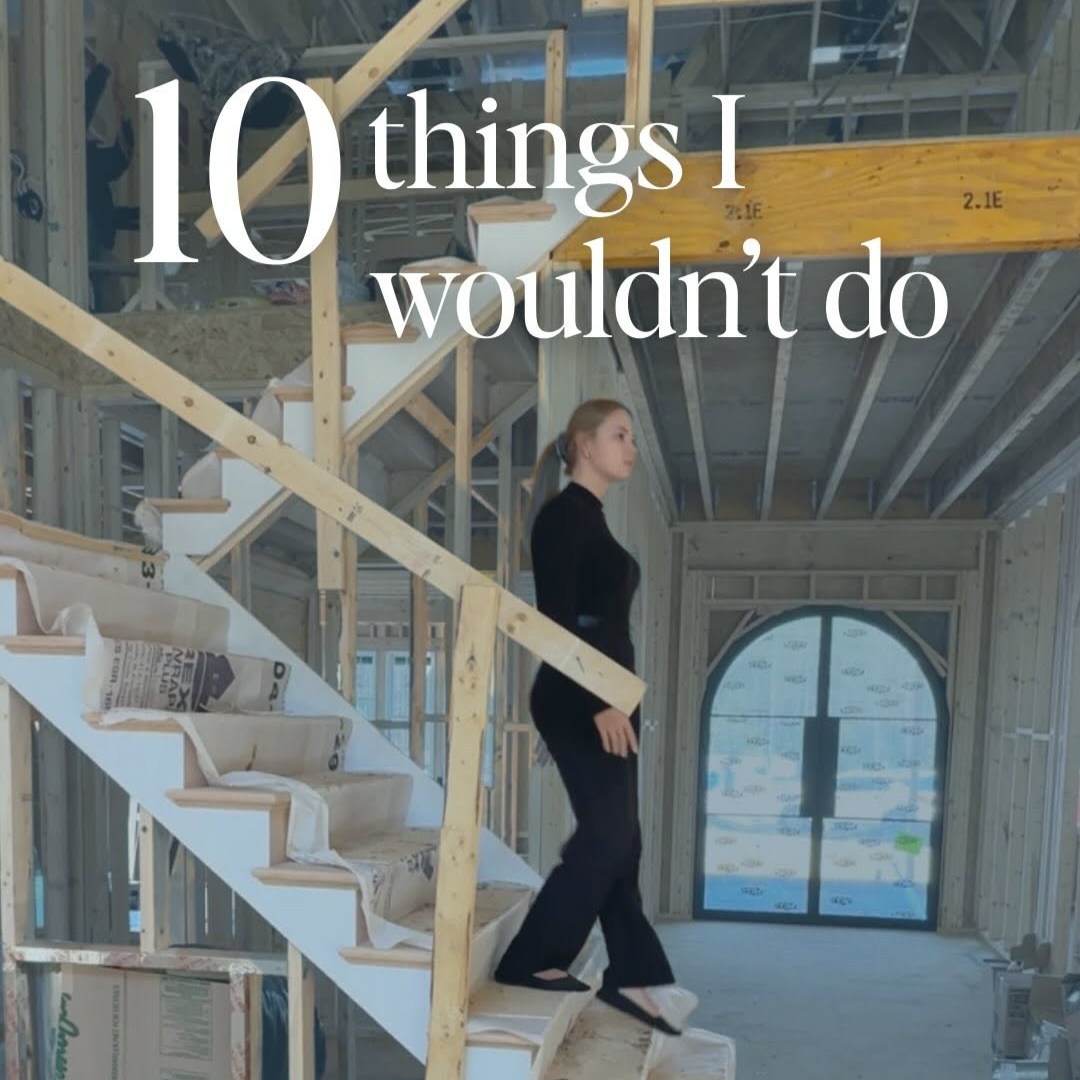
After years in custom home building, you learn what matters. Not the trends that fade in five years. Not the quick upgrades you can swap out later. The foundational decisions—the ones baked into the structure, layout, and flow of your home that you live with every single day.
If I were building tomorrow, here are ten things I wouldn't do.
1. Design in a Vacuum
Collaboration protects your budget.
The biggest mistake I see is a homeowner or even an architect designing without input from the builder, the trades, and the people who will actually live in the space. You end up with beautiful renderings that don't account for practical constraints, code requirements, or cost implications you didn't see coming.
When everyone's in the room early—builder, architect, trades, and the family—you catch problems before they're expensive. You also find smarter solutions. A plumber might suggest a layout tweak that saves $3,000. An electrician might know a better way to run power. Your builder knows what the market expects and what adds actual value.
Design is a conversation, not a announcement. Keep it collaborative from day one.
2. Prioritize Finishes Over Layout
Flow matters more long term.
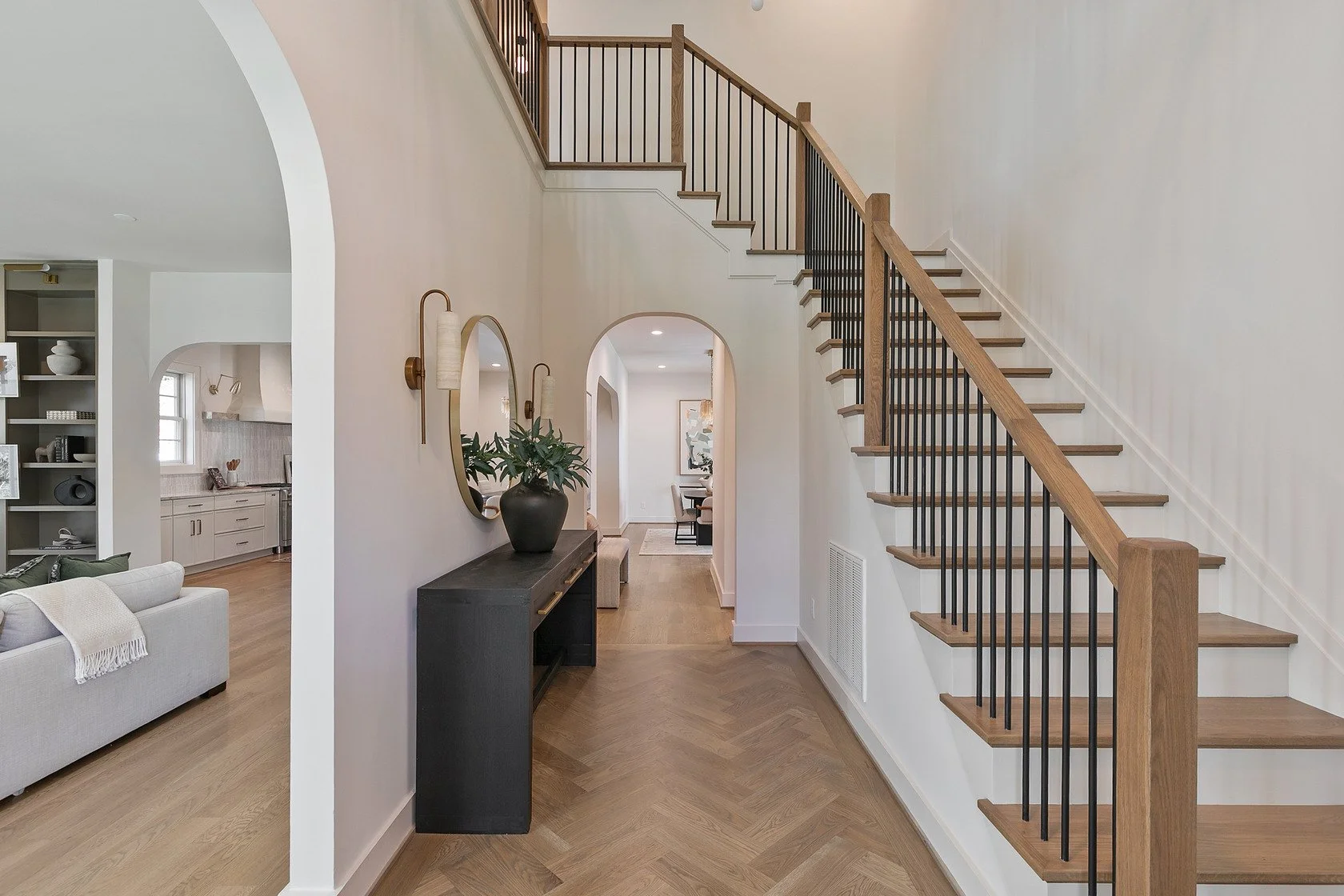
I've walked through a lot of beautiful homes with terrible layouts. Expensive tile, high-end cabinetry, statement lighting—all sitting in spaces that don't work for how people actually live.
Layout is permanent. Finishes are not. You can update paint, flooring, and fixtures in a few years. You're stuck with the bones. A kitchen that makes sense for your family's workflow, a living space that feels connected but defined, bedrooms positioned so sound doesn't carry—these things matter every single day for decades.
Choose the thoughtful layout first. The finishes will follow, and they'll look better in a space that actually functions.
3. Ignore How the Home Sits on the Lot
Orientation changes everything.
Where your house sits on the property affects natural light, passive solar gain, cooling costs, and how you experience outdoor space. Get this wrong and you're fighting your home for 30 years.
A south-facing great room in a cold climate is a gift. That same room in the South becomes an oven in summer. West-facing windows are beautiful at sunset but brutal in July. Where's the morning sun hitting your kitchen? Is the primary bedroom facing the street or the quiet part of the property?
These aren't details to figure out later. They're architectural decisions that ripple through energy efficiency, comfort, and daily living. Work with your builder and architect to understand sun angles, prevailing winds, and views before you lock in the plan.
4. Convert the Garage into Living Space
Storage and parking matter.
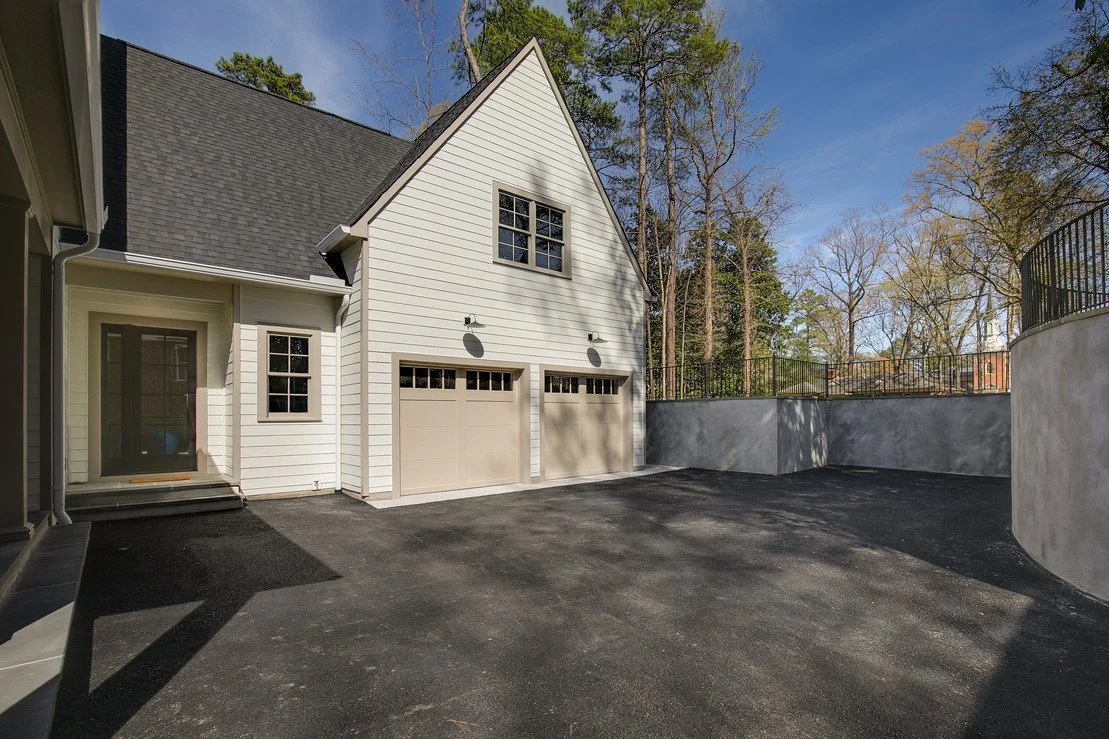
It's tempting. An extra bedroom, a studio, a workshop—there's square footage just sitting there. But you're making a long-term trade for a short-term gain.
Your family will need storage. You'll accumulate things. You'll want covered parking. That garage—even if you don't think you need it now—becomes the place where you solve problems. Seasonal items, tools, a place to work on projects, a buffer between the outside and your living space.
If you need more square footage, build it right. Don't sacrifice the garage to get there. Future you will be grateful.
5. Forget Furniture Placement When Adding Windows
Wall space matters too.
More windows feel great in the moment, but you need walls to hang a TV, place a sofa, or arrange a bedroom. I've seen homes with gorgeous windows on every wall and no place to actually live comfortably.
Before you add another window, think about where furniture will go. Will you have wall space for a bed? Can you watch TV without glare? Is there room for a couch that doesn't face the window? Windows are beautiful, but they're not the only thing that makes a space livable.
Balance light with livability. You need both.
6. Shrink the Kitchen Island
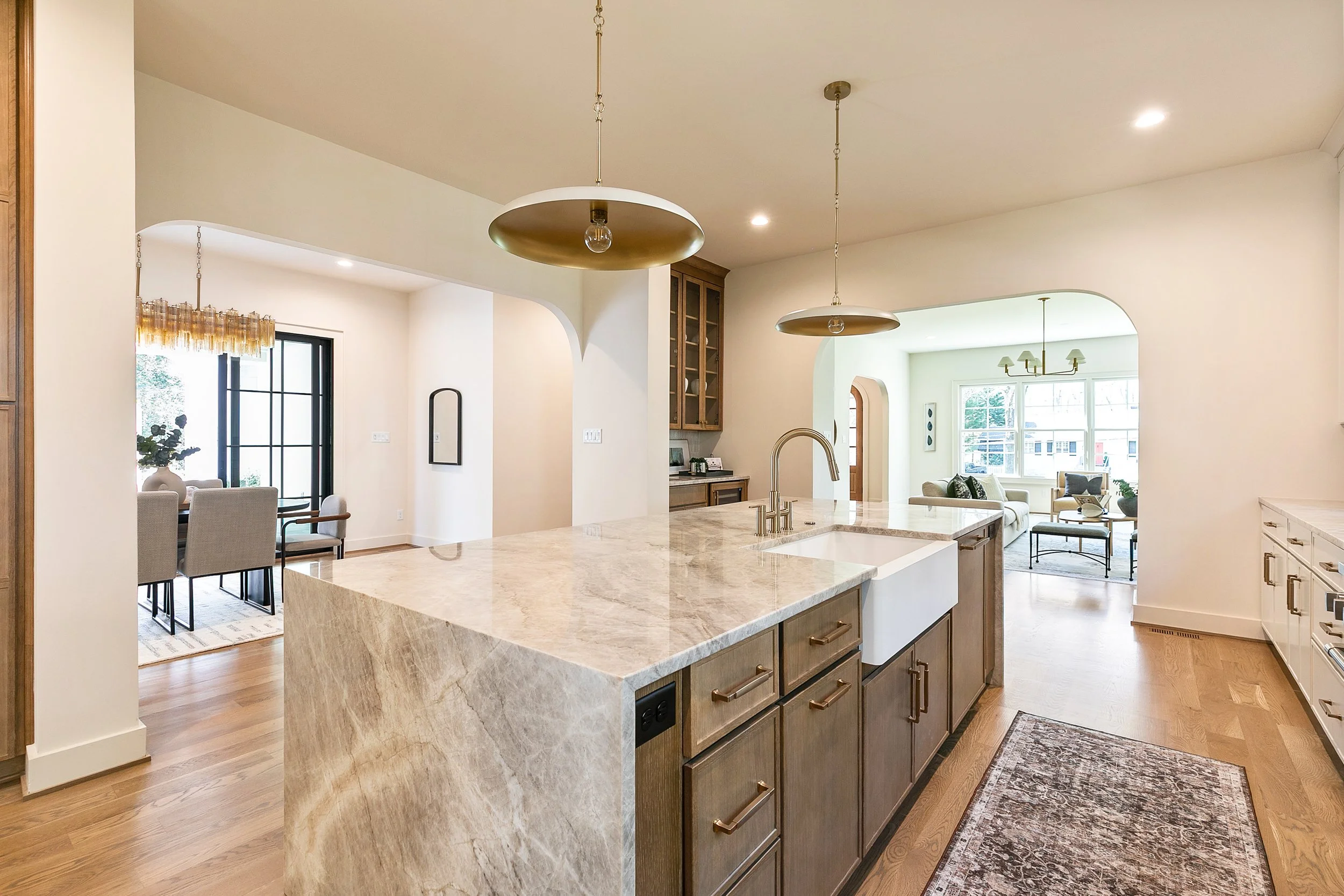
If you have the space, use it.
The kitchen island is where life happens. It's where kids do homework, where you prep meals, where guests gather. Making it smaller "to save money" is penny-wise and pound-foolish.
If you have the budget for a quality island, size matters. A real work surface. Seating on at least one side. Room for a prep zone. You'll use every inch of it. An undersized island feels cramped and underperforms.
This is one place where bigger works. Don't compromise on size.
7. Underestimate Storage
Closets. Pantry. Attic access.
People underestimate how much stuff they accumulate and maintain. Coats, seasonal decorations, tools, kids' gear, holiday items, luggage—it all needs to live somewhere. And if it doesn't have a home, it sprawls into your living spaces.
Build generous closets in bedrooms. Give yourself a real pantry, not a small cabinet. Plan for attic storage with proper access and lighting. Add a mudroom or drop zone with dedicated storage (more on that next). These aren't luxuries—they're necessities that preserve the function of your home.
Under-estimate nothing when it comes to storage.
8. Skip Outdoor Living
Even a small porch adds value.
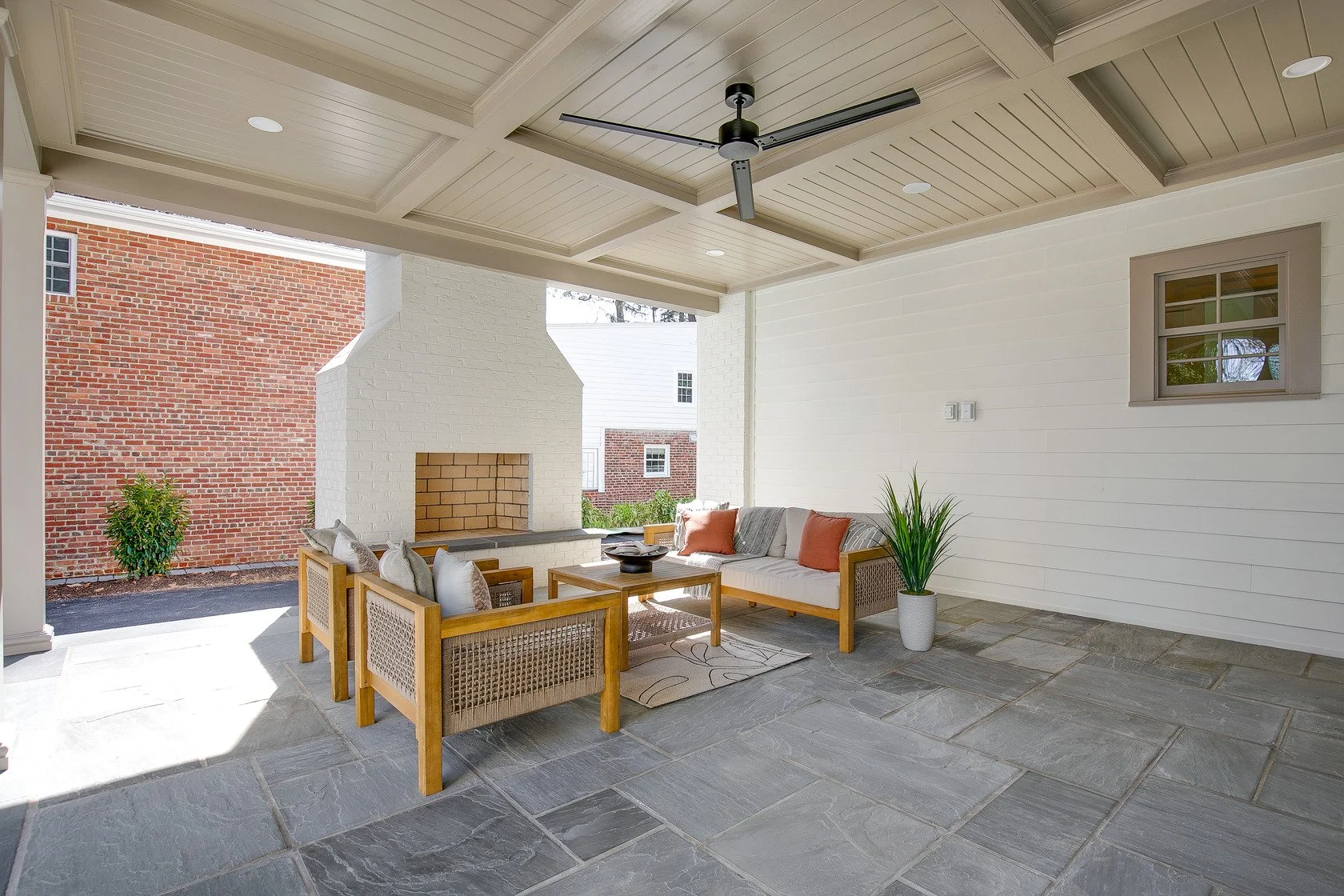
Whether it's a large deck, a covered porch, or a simple patio, outdoor living extends your home and how you experience your property. It's where you gather, entertain, or just sit with a cup of coffee.
Outdoor space doesn't have to be massive. It has to be intentional. Covered, uncovered, screened—think about what makes sense for your climate and lifestyle. And build it right the first time. Outdoor spaces are part of your home's value and livability.
Don't skip it. Don't make it an afterthought. Plan it into the design from the start.
9. Skip a Drop Zone
Daily life needs a landing spot.
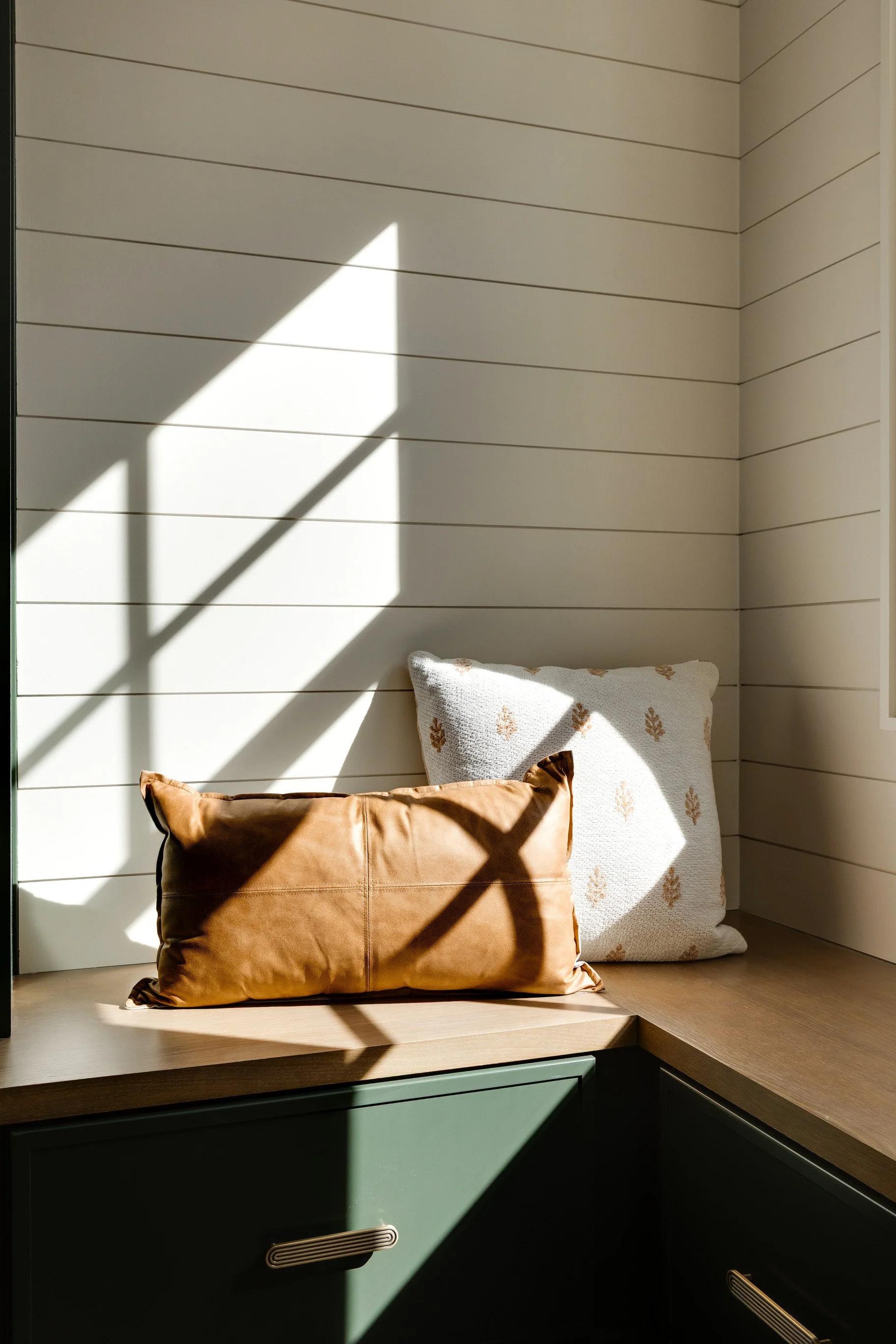
A drop zone—a transition space near your main entry—is where coats, keys, bags, and shoes live. Without it, chaos spreads into your kitchen, foyer, and living spaces. It's one of the highest-ROI spaces in the home.
A built-in bench with cubbies, hooks, and shoe storage. A bowl for keys. A place for bags and backpacks. It sounds small, but it's foundational to how a home functions. Kids coming home from school, you coming home from work, guests arriving—they all need somewhere to land before they move into the rest of the house.
Plan this space. Build it well. You'll use it every single day.
10. Wait Until I Had It All Figured Out Before Calling a Builder
You don't need all the answers.
This is the big one. So many people wait to contact a builder because they don't have every detail worked out. They think they need to have the perfect plan before they talk to someone who actually builds homes.
That's backwards. A good builder helps you figure it out. They ask the right questions. They tell you what's possible, what's worth the investment, and what doesn't matter. They've seen hundreds of homes and know what works. They're not there to judge your ideas—they're there to help you build something you'll love.
The sooner you start the conversation, the better. You don't need all the answers. You just need the right people in the room.
The Takeaway
Building a home is a series of decisions—some big, some small, all interconnected. The foundational ones matter most. Think about flow before finishes. Prioritize function over novelty. Plan with intention, then collaborate with people who know how to build what you're imagining.
The details will follow. The bones are everything.
If you're thinking about building, start the conversation early. Your future home is worth it.