
Preparing Your Current Home to Sell While Building New

Photo by Roselyn Tirado on Unsplash
Here's the question we hear often from clients who don’t already own their land outright: "What do we do with our current house while we're building?"
It's not a simple question. The timing of selling your existing home while constructing a new one is part financial puzzle, part logistics challenge, and part leap of faith. Get it right, and you move seamlessly from one home to the next. Get it wrong, and you're juggling two mortgages, scrambling for temporary housing, or watching your dream home sit finished while your old house lingers on the market.
The good news? With careful planning and a realistic understanding of your options, this transition is completely manageable. Thousands of families do it every year—including many of our Keel Custom Homes clients.
Here's everything you need to know about preparing your current home to sell while your new one is being built.
The Timing Puzzle: Three Approaches
Let's start with the fundamental decision: when do you sell?
There are three basic approaches, each with trade-offs.
Option 1: Sell First, Then Build

Photo by Maria Ziegler on Unsplash
How it works: You sell your current home before (or very early in) the construction process, freeing up equity and eliminating the dual-mortgage concern.
Pros:
No risk of carrying two mortgages
You know exactly how much equity you're working with
Simplifies your financing—lenders love this approach
Removes contingencies that could complicate your construction loan
Cons:
You'll need somewhere to live during construction (typically 6-12 months)
Two moves instead of one: into temporary housing, then into your new home
Storage costs for belongings that won't fit in temporary quarters
Emotional stress of displacement during an already busy time
Best for: Buyers who have strong temporary housing options (family nearby, flexible lease apartments), those who need the equity from their current home to finance the build, or anyone whose lender requires the sale before approving the construction loan.
Option 2: Sell During Construction
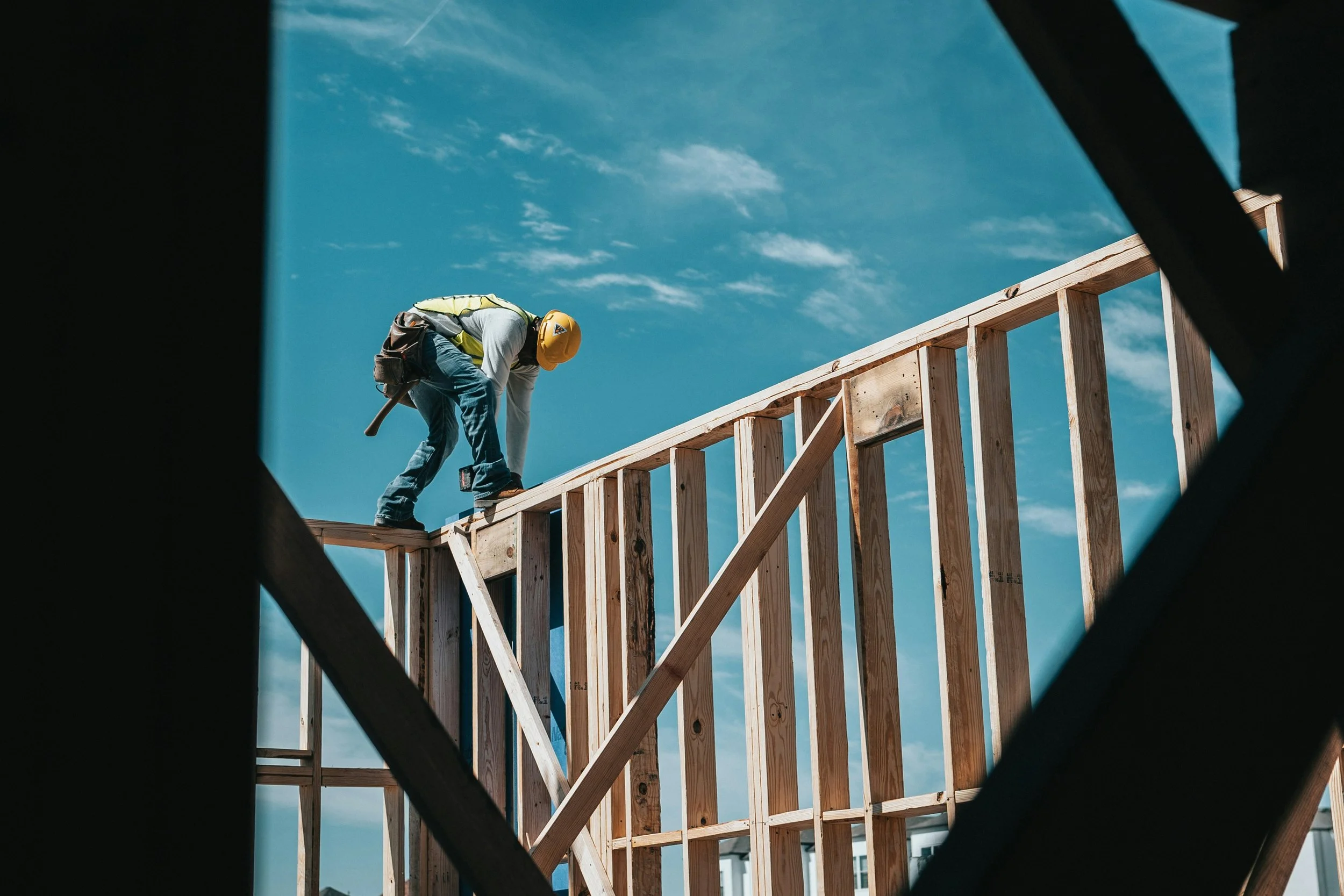
Photo by Josh Olalde on Unsplash
How it works: You time your sale to close late in the construction process, ideally 30-60 days before your new home is complete.
Pros:
Minimizes or eliminates the gap between homes
Only one move (or a very short temporary stay)
You can live in your current home during most of construction
Allows you to monitor the market and list when conditions are favorable
Cons:
Requires precise timing that's difficult to guarantee
Construction delays can throw off your carefully planned timeline
Richmond's fast-moving market means homes often sell quicker than expected—you might close before your new home is ready
More complex coordination between builder, buyer, and your own sale
Best for: Buyers who can financially qualify for construction financing without selling first, have some flexibility in their timeline, and are comfortable with moderate risk.
Option 3: Build First, Sell After
How it works: You complete construction and move into your new home before listing your old one.
Pros:
No temporary housing needed
You can stage your old home while it's empty (often shows better)
No pressure to accept a low offer just to meet a deadline
Maximum flexibility and minimum stress during construction
Cons:
You'll carry two mortgages until your old home sells
Requires strong finances and lender approval for both loans
Ongoing maintenance, utilities, and carrying costs on the vacant home
Market conditions could shift while you're building
Best for: Buyers with significant equity or savings, those who own their current home outright or have low mortgage balances, and anyone whose lender will approve financing without a sale contingency.
What Your Lender Will Require
Before you decide on timing, you need to understand what your construction lender requires. This isn't always your choice to make.
Most construction lenders will evaluate whether you can qualify for the new loan while still carrying your existing mortgage. If your debt-to-income ratio works with both payments, you'll have flexibility. If it doesn't, your loan commitment may include a "predication"—a requirement that your current home be sold and closed before the new loan funds.
Key questions to ask your lender:
Can I qualify for the construction loan without selling my current home first?
If I need to sell first, at what point in the process does that sale need to occur?
Are there bridge loan options that could help me manage the transition?
What happens to my loan commitment if my current home doesn't sell by a certain date?
Get clarity on this early. It will drive many of your other decisions.
Financing the Gap: Your Options

If you're not selling first but need to bridge some costs, several financing tools can help:
Bridge Loans
A short-term loan (typically 6-12 months) that uses your current home as collateral. Bridge loans can cover your down payment on the new construction or help with carrying costs during the transition. They're ideal for homeowners with significant equity who expect their home to sell relatively quickly.
The catch: Higher interest rates than traditional mortgages, and you need strong credit and low overall debt to qualify.
Home Equity Line of Credit (HELOC)
If you have substantial equity in your current home, a HELOC lets you borrow against it as needed. This can fund construction costs or cover dual carrying costs during the transition.
The catch: You're adding debt secured by a home you're trying to sell, and the line of credit typically needs to be paid off when that home closes.
Home Equity Loan
Similar to a HELOC but structured as a lump sum rather than a revolving line of credit. Useful if you know exactly how much you need.
Cash Reserves
The simplest option—if you have savings that can cover the gap. Many financial advisors recommend having 6-12 months of carrying costs set aside if you're building before selling.
Preparing Your Home for Sale: The Double-Duty Approach
Here's the silver lining of this whole process: almost everything you do to prepare your home for sale also makes your eventual move easier.
Decluttering? Fewer things to pack and move. Deep cleaning? You were going to do that before moving anyway. Making repairs? Better to do them now than explain them to buyers.
Think of home prep as serving two purposes simultaneously.
Start Decluttering Now (Yes, Now)

Photo by Dina Badamshina on Unsplash

Photo by Roselyn Tirado on Unsplash
Don't wait until you're three months from listing. Start decluttering the moment you commit to building.
The aggressive approach: Go room by room and ask yourself, "Is this coming to the new house?" If no, it goes now—donate, sell, or trash. If yes but you don't need it daily, box it up and store it.
Why this matters for selling: Buyers want to see space, not stuff. Closets should look half-empty. Counters should be clear. Rooms should feel larger than they are. The less you have, the better your home shows.
Why this matters for moving: Every box you pack now is one less thing to deal with during the chaos of construction, closing, and moving. Plus, you'll be amazed how much you own that you don't actually want anymore.
Pro tip: Rent a storage unit early. As you declutter, move boxes directly to storage. By the time you list, your home will be show-ready and half your packing will already be done.
Make Strategic Repairs (But Don't Over-Invest)
This is where many sellers go wrong. They either ignore obvious problems (which buyers will discount heavily) or they pour money into renovations that won't return their investment.
Always fix:
Leaky faucets, running toilets, dripping pipes
Broken windows, torn screens, damaged doors
Electrical issues (non-working outlets, flickering lights)
HVAC problems that will show up on inspection
Roof issues if they're visible or will appear on inspection
Safety hazards (loose railings, broken steps)
Usually worth it:
Fresh neutral paint in dated or heavily colored rooms
Professional deep cleaning (carpets, windows, grout)
Basic landscaping cleanup (mulch, trimmed bushes, edged beds)
Updating obviously dated light fixtures or hardware
Probably not worth it:
Full kitchen or bathroom remodels
Major landscaping projects
Finishing the basement
Adding square footage
The goal is to remove objections, not to create a dream home for someone else. You're about to move into your dream home—don't invest renovation dollars in the house you're leaving.
Stage for Speed, Not Perfection
You don't need a professional stager (though they can help in competitive markets). You need a home that photographs well and shows cleanly.

Quick staging wins:
Remove personal photos and collections—buyers should imagine their life here, not study yours
Clear kitchen counters of everything except one or two decorative items
Make beds every day with clean, neutral bedding
Open all blinds and curtains to maximize light
Add a few fresh plants or flowers
Make sure it smells neutral (no heavy candles or air fresheners)
The "lived-in" challenge: You're still living here during showings. That's okay. Just build a routine: 15 minutes before leaving each morning, do a quick walkthrough. Make beds, clear counters, hide toiletries, start the dishwasher. Accept that it won't be perfect—it just needs to be good enough.
Timing Your Listing: Coordination is Everything
The magic of selling during construction is timing. And timing requires communication—lots of it.
Know Your Builder's Timeline
At Keel Custom Homes, we provide timeline estimates at the start of construction and regular updates throughout. But every custom home is different, and surprises happen.
Key milestones to track:
Permit approval (this starts the real clock)
Foundation completion
Framing completion
Pre-drywall walkthrough
Drywall and finishing
Final inspections
Certificate of occupancy
As you get closer to completion, your builder can give you tighter estimates. A home that's 60 days out is much more predictable than one that's 6 months out.
Work with an Agent Who Understands Construction Timelines

Peter Petras, Realtor
Not every real estate agent has experience with this dance. Find one who does—ideally someone who has helped clients sell while building before.
What a good agent will do:
Help you time your listing based on your builder's timeline
Price your home to sell within your target window (not just for maximum dollars)
Advise on contingencies and closing flexibility that protect you
Communicate with buyers' agents about your situation
Adjust strategy quickly if construction is delayed or accelerated
Get in Touch with Peter, our preferred realtor with expertise in New Home Construction.
Born and raised in Richmond, Peter has a true passion for the city and everything it has to offer. With a background in new construction, sales, and investment property, he brings value to his clients through his unique grasp on areas such as estimating costs, negotiation, and financing.
Build in Flexibility
The best-laid plans can still go sideways. Build flexibility into your sale:
Negotiate a rent-back: If your home sells faster than expected, a rent-back agreement lets you stay in the home (paying rent to the new owner) for a set period after closing—typically 30-60 days. This buys time if construction runs long.
Set a closing date aligned with completion: Work with your agent to negotiate a closing date that matches your builder's expected completion. Buyers often have flexibility, especially if they're not in a rush.
Have a backup plan: Know where you'd go if the gap is longer than expected. A month in a short-term rental or with family isn't ideal, but it's manageable if you've planned for it.
The Logistics Nobody Talks About
A few practical details that often catch people off guard:
Utilities and Mail

Photo by Brian Patrick Tagalog on Unsplash
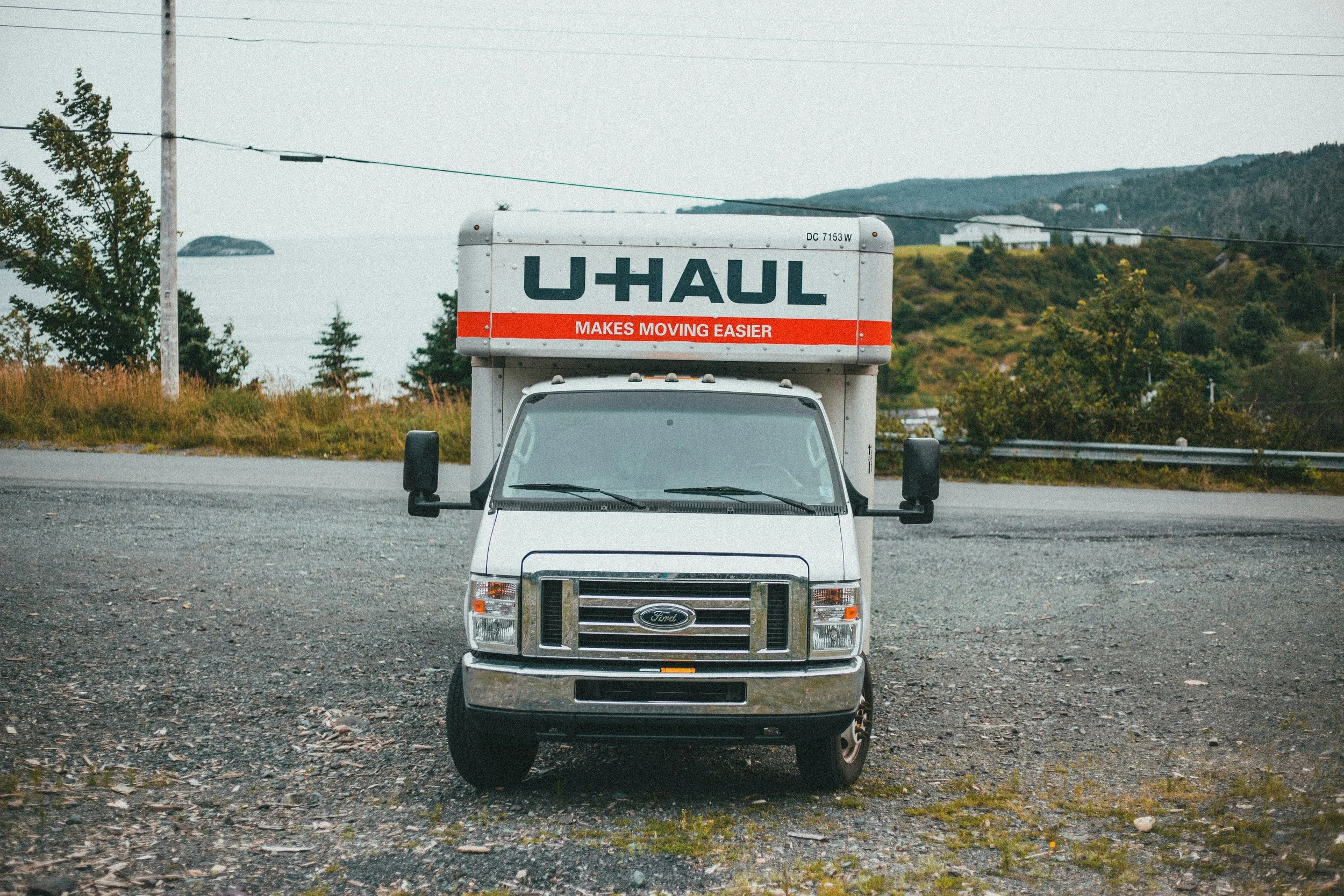
Photo by Erik Mclean on Unsplash
You'll need to coordinate utility shutoffs at your old home, transfers to your new home, and potentially temporary service at rental housing in between. Start a checklist and add to it as you think of things: electric, gas, water, internet, trash, security system, newspaper delivery, streaming services linked to your address.
Mail forwarding through USPS takes 7-10 days to kick in. Update your address with banks, credit cards, subscriptions, and the DMV as soon as you have a move date.
Moving and Storage
If you're doing a single move directly from old home to new home, schedule your movers as soon as you have a confirmed closing date on both ends. Good moving companies book up, especially at month-end and during summer.
If there's a gap, you'll need to move twice—or move once into storage and then again into your new home. Price both scenarios so you know what you're dealing with.
The Emotional Weight
This is a lot. You're building a custom home (exciting but stressful). You're selling your current home (emotional, even if you're ready to leave). You're managing timelines, lenders, agents, and logistics. And you're probably still working, parenting, and living your regular life.
Give yourself grace. Some weeks will feel overwhelming. That's normal. Keep your eye on the end goal: a brand-new home designed exactly for you, with no compromises.
A Realistic Timeline Example
Here's how this might play out for a typical Keel Custom Homes client:
Month 1-2: Sign contract, begin design process. Start decluttering your current home.
Month 3-4: Finalize selections, obtain permits. Continue decluttering. Rent storage unit.
Month 5: Construction begins. Deep clean and make repairs to current home. Interview real estate agents.
Month 8-9: Construction at rough-in stage. List your current home for sale. Target closing 60-75 days out (which should align with construction completion).
Month 10: Accept offer on current home. Negotiate closing date and potential rent-back. Construction entering finishing stages.
Month 11-12: Close on current home sale. If needed, execute rent-back or move to temporary housing. Complete final walkthrough of new home.
Month 12-13: Close on new home. Move in. Breathe.
Your timeline will vary based on construction speed, market conditions, and your specific circumstances. But this gives you a framework for how the pieces fit together.
You Don't Have to Figure This Out Alone
Coordinating a home sale with new construction is complicated—but it's not new. Builders, lenders, and real estate agents do this regularly. Lean on their expertise.
At Keel Custom Homes, we've guided many clients through this exact process. We can help you understand realistic timelines, connect you with lenders who specialize in construction financing, and recommend agents who understand how to time a sale with a build.
If you're thinking about building custom but worried about the logistics of selling your current home, let's talk. We'll walk through your specific situation and help you see a clear path forward.
Explore our floor plans and communities or reach out to schedule a consultation.
Spring building season is almost here. Let's make sure you're ready.
— The Keel Custom Homes Team