
You have land. Or you’re about to. Here’s what comes next.
Whether you already own the property or you’re still looking, building on your lot starts with the location — and a builder who can take it from raw acreage to keys in your hand.
What is Build on Your Lot?
Build on Your Lot (BOYL) is custom home construction on land you already own or are buying separately — the location is chosen first, and the home is designed to fit it.
In a planned community, the developer chose the location, set the lot lines, ran the utilities, and curated the plan books. You pick a home from what’s offered. BOYL works the opposite way: you start with a parcel — family land, a recent purchase, a Richmond infill lot, a few acres in Powhatan — and the home is designed around the property’s access, slope, trees, views, setbacks, and (often) its well and septic.
That sequence matters. It’s why a BOYL build asks more decisions of the homeowner up front, takes a few months longer than buying a spec home, and ends with a house that couldn’t have been built on any other lot.
A short, honest qualifier.
BOYL isn’t the right path for every buyer. Here’s how to tell — before you spend a weekend reading floor plans.
BOYL is a fit if…
- You already own land, are inheriting it, or have a specific parcel you’re buying.
- You picked the location first — the neighborhood, the view, the school zone, or the family acreage — and the house has to fit it.
- You want real design flexibility — your own plan, your architect’s plan, or one of ours modified to fit the lot.
- You’re comfortable with a 10–18 month timeline from contract to move-in, depending on the county and the lot.
- You’d rather make the decisions than have them made for you.
BOYL probably isn’t a fit if…
- You need to be in the house within a few months — a spec home or a resale will get you there faster.
- You’d rather pick from a small set of pre-made decisions than work through a full set of selections.
- You haven’t started thinking about land yet and you’re not sure where you want to be — start with a Realtor and our lot evaluation checklist first.
- You want amenities a developer would have to provide (community pool, clubhouse, paved trails) and you don’t want to build them yourself.
From conceptual budget to fixed contract price.
Custom homes don’t have one price — they have a price that gets sharper at three predictable moments. Here’s what each milestone locks in, and why each one matters before you sign anything.
Conceptual Budget
A first-pass number based on your lot, your wishlist, and comparable Keel projects — enough to know whether to keep going.
- Plan direction (which Keel plan, or a custom direction)
- Lot-driven cost factors (site work, well/septic, utilities)
- A working budget range you can actually plan against
Why it matters: you find out early whether the home you want will fit the lot and the budget — before plans, permits, or selections.
Refined Price Range
Plan and site work are firmed up; major selections start landing. The range tightens to a real working number.
- Final plan and elevation
- Site plan, perc/soil work, well & septic decisions
- Major finish & mechanical selections that move the budget
Why it matters: this is where most of the choices that actually move the price get made. The range you see here is the range you’ll land inside.
Fixed Contract Price
Plan + site + selections are complete. The number becomes a fixed contract price you can sign.
- Every remaining selection
- Final scope, schedule, and allowances
- A fixed contract price — not an estimate
Why it matters: you break ground knowing the number, not hoping the estimate holds.
Three phases from signed contract to keys.
Once the contract price is fixed, the rest is execution. Three clear phases — one team, one schedule, one point of accountability — instead of stitching together your own builder, site contractor, and permit runner.
Permit & Break Ground
County permits, design review where it applies, well and septic permits, and site work — driveway, clearing, foundation prep. The first visible signs that your home is becoming real.
Pre-Drywall Walkthrough
Framing, rough mechanicals, and windows are in. We walk the house together with the bones exposed — you see where every outlet, switch, blocking, and run lands before drywall closes everything up.
Closing & Move-In
Final selections install, punch list closes out, certificate of occupancy issues, warranty activates. We do a full walkthrough and hand over the keys — and we’re still your call after closing.
What Keel handles on a BOYL build
One team, one contract, one schedule. You don’t piece this together across a builder, a site contractor, a perc tester, a designer, and a permit runner — we coordinate every piece of it as part of the build.
- Feasibility walk of your property Access, soil, slope, setbacks, trees, perc viability — reviewed on the land, not from a desk. Before you buy if you don’t own it yet.
- Custom design or portfolio plan modification A new design from scratch, your architect’s plan, or one of our existing plans reshaped to fit your lot.
- ARB / HOA / design review applications Architectural Review Board, HOA design committees, and neighborhood-specific review — submitted, tracked, and revised by us, not by you.
- County (or City of Richmond) permitting Zoning review, building permit, certificate of occupancy — routed through the right jurisdiction with the right submittals the first time.
- Well & septic coordination (when applicable) Soil and perc testing, septic system design, well permits, and county health-department approvals — standard for most Powhatan, Goochland, Hanover, New Kent, and Caroline builds.
- Utility connection coordination Power, water, sewer or septic, gas, fiber/internet — new service drops and tap fees handled as part of the build.
- Site preparation Driveway, clearing, grading, foundation prep, and any demolition if there’s an existing structure on the lot.
- Construction management Schedule, subcontractors, inspections, selections, change orders, walkthroughs, and warranty — one project manager from contract through closing.
The best lots aren’t always empty.
Teardowns, mobile-home lots, infill parcels, lots with crumbling old structures — the lots that scare other builders off are often the best opportunities. We handle the demolition, site evaluation, and permitting as one coordinated project, so the “tricky” part doesn’t become your problem.
Read the full guideCounties and cities we BOYL in.
Every county has its own BOYL flavor — acreage, infill, well and septic, design review, what’s available, what isn’t. Pick yours for the local story.
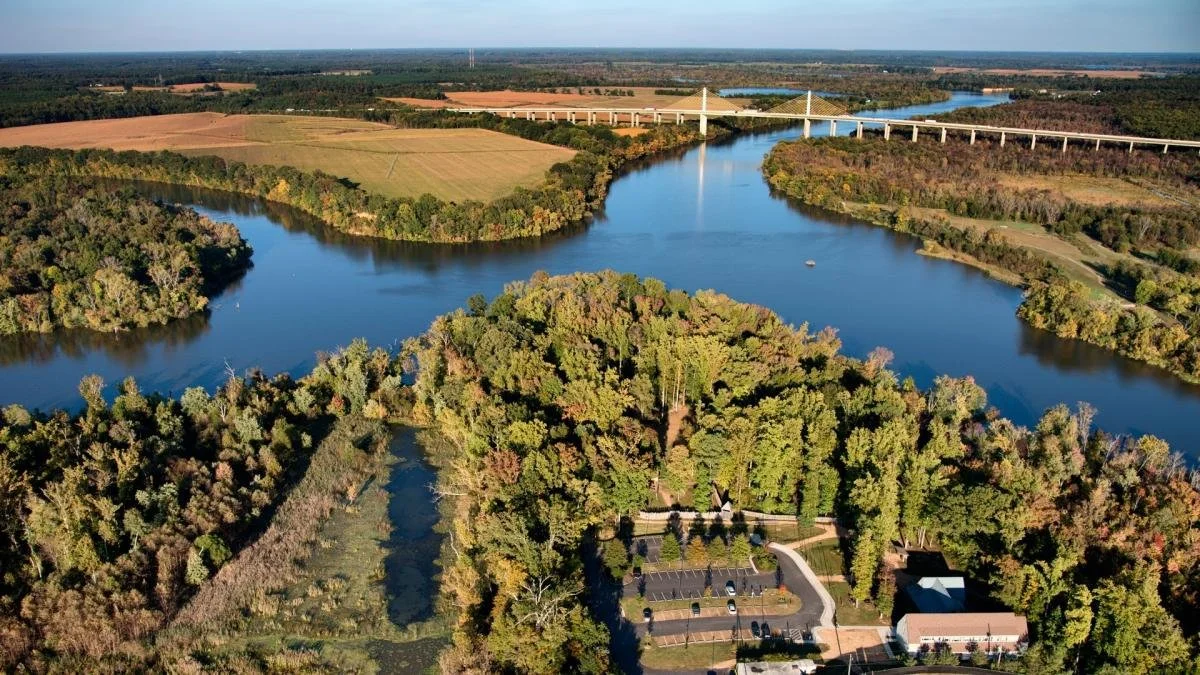
Chesterfield County
Chesterfield
Established communities like Summer Lake and Chesdin Landing — or your own lot anywhere in the county. The most common BOYL mix in the Richmond suburbs.
See Chesterfield BOYL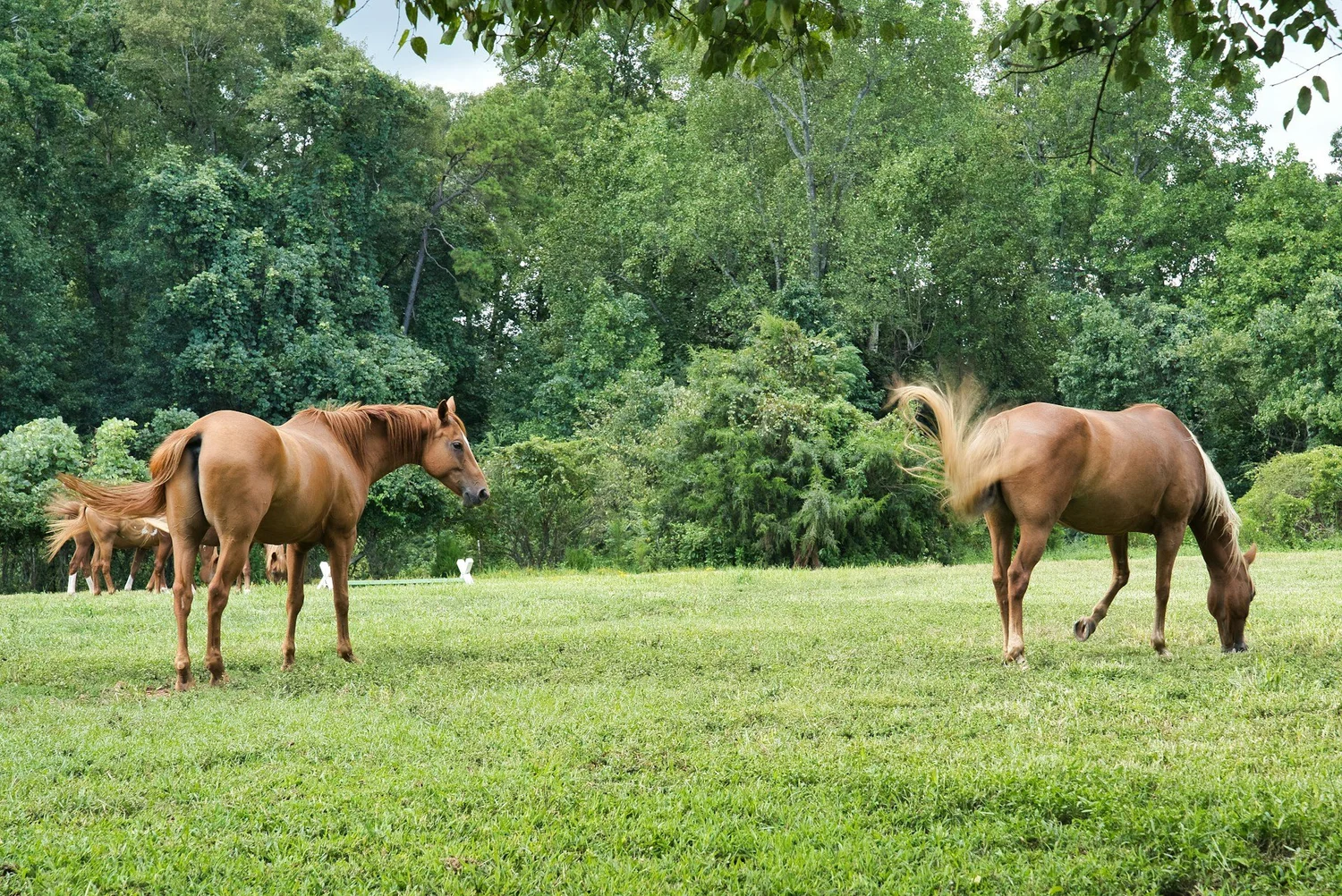
Powhatan County
Powhatan
BOYL-dominant. Real acreage, wells and septic, soil and perc work — nearly every Powhatan build starts with a parcel, not a subdivision lot.
See Powhatan BOYL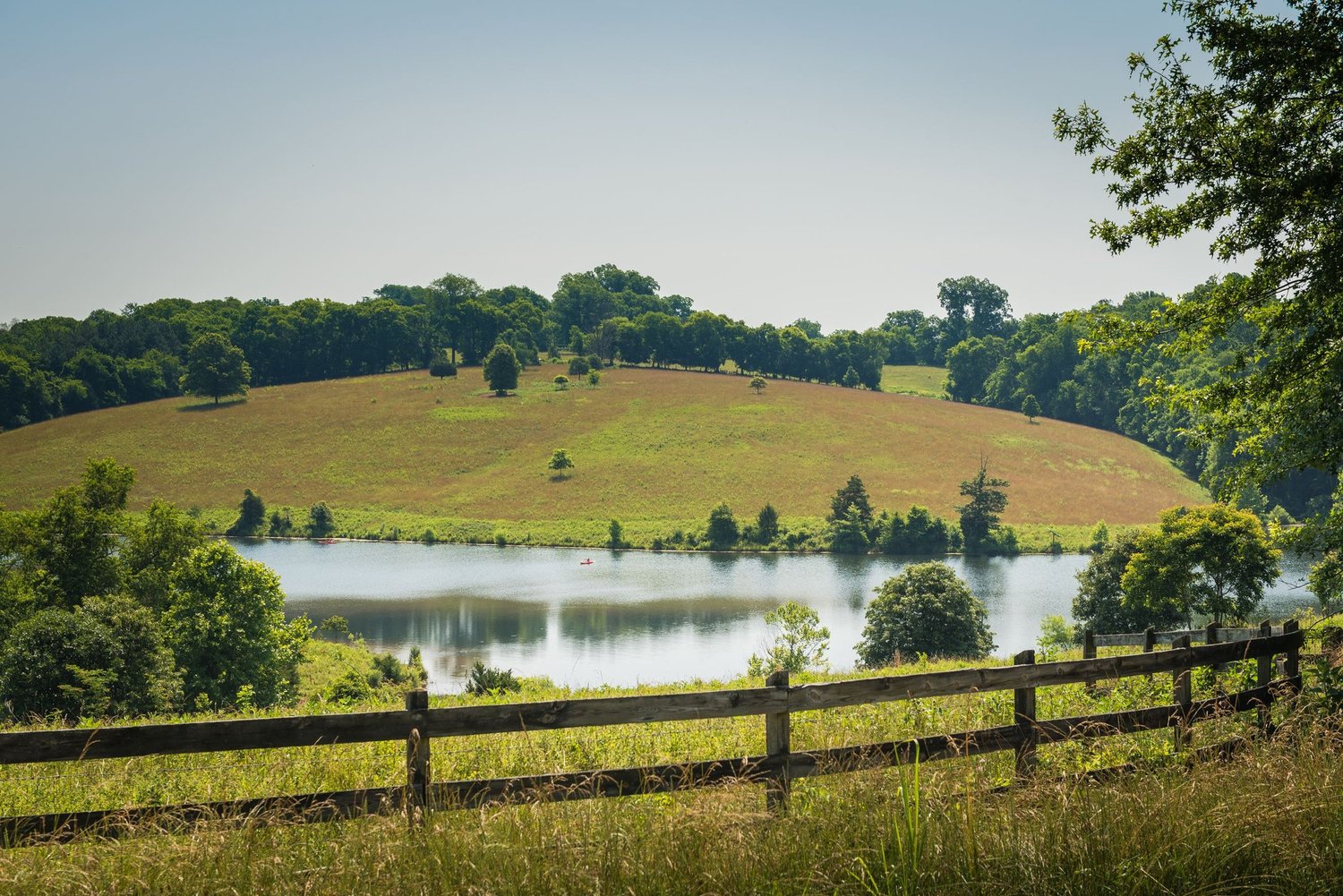
Goochland County
Goochland
Manakin-Sabot, Crozier, Oilville — acreage with wells and septic, feasibility walks before purchase, and design built around the property.
See Goochland BOYL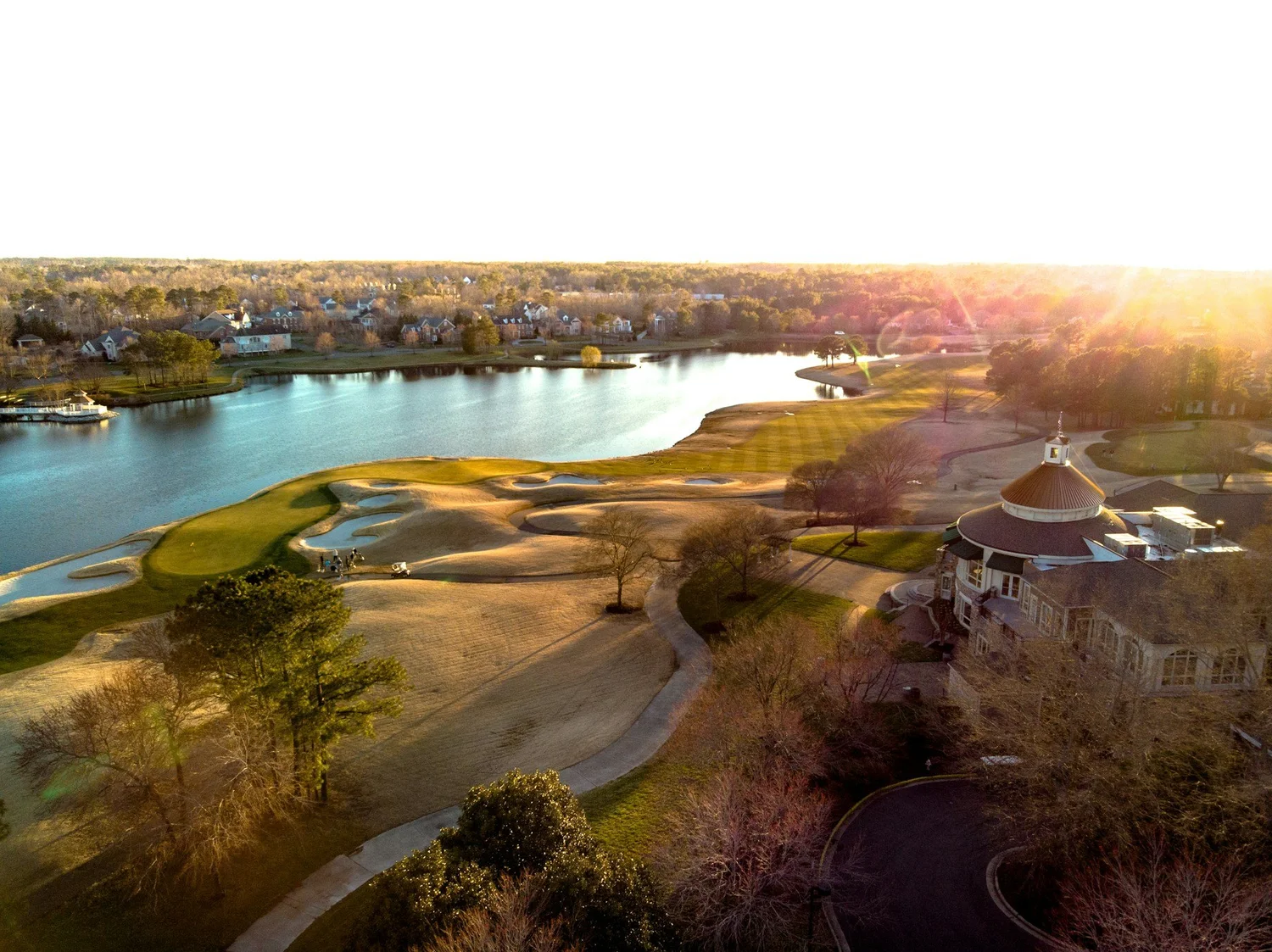
Henrico County
Henrico
Our home county. Infill BOYL, established neighborhoods, teardown-and-rebuild on lots in the West End, Near West End, and East End.
See Henrico BOYL
Hanover County
Hanover
From the Mechanicsville & Ashland corridors out to working acreage. Mix of community lots, family land, and BOYL parcels along Route 1 and 301.
See Hanover BOYL
New Kent County
New Kent
Equidistant to Richmond and Williamsburg. Acreage builds with wells and septic; communities like Brickshire and Patriot’s Landing on the planned-community side.
See New Kent BOYL
City of Richmond
Richmond
Infill and teardown-and-rebuild. Near West End, the Fan, Museum District, Church Hill, Forest Hill — city permitting, neighborhood review, and the lots most builders won’t touch.
See Richmond BOYL
Caroline · Amelia · Charles City · Prince George · Louisa
If you have land elsewhere in Central Virginia, ask us — we travel for the right project.
Build on Your Lot — Common Questions
-
Build on Your Lot (BOYL) is custom home construction on land you already own or are buying separately. The location is chosen first, and the home is designed to fit the property — its access, slope, trees, views, setbacks, and (often) its well and septic. It’s the opposite sequence from buying a home in a planned community.
-
No. About half of our BOYL clients are still looking when we first talk. We’ll walk a property with you before you make an offer — reviewing access, soil, perc viability, slope, setbacks, and tree clearing — so you know what the land can support and what it’ll cost to build on.
-
Custom home pricing varies with lot conditions, home size, plan, and finish level — there isn’t one number. We work to three pricing milestones (Conceptual Budget → Refined Price Range → Fixed Contract Price) so the number tightens as the decisions tighten. A typical custom BOYL home in Central Virginia falls into the upper range of new construction in the market, and we share specific numbers as soon as we’ve walked your lot and reviewed your plan direction.
-
Most BOYL builds take 10–18 months from contract to move-in. Suburban builds on serviced lots run on the shorter end (10–14 months). Rural acreage builds with wells, septic, soil work, and county-specific permitting run on the longer end (12–18 months). We provide a detailed timeline before construction begins so you know what to expect at every stage.
-
Keel builds on your lot in Chesterfield, Powhatan, Goochland, Henrico, Hanover, New Kent, and the City of Richmond as our featured areas, and we also build on your lot in Caroline, Amelia, Charles City, Prince George, and Louisa. If you have land elsewhere in Central Virginia, ask us — we travel for the right project.
-
Yes. The right lot is half the project. We’ll talk through neighborhoods, evaluate listings before you commit, and walk a property with you to flag build constraints — zoning, easements, setbacks, trees, perc, well siting — before you make an offer. We work alongside your Realtor (or recommend one).
-
Teardowns, mobile-home lots, and lots with old structures are core to how we work. We handle the demolition, site evaluation, county permitting, and the new build as a single coordinated project — you deal with one team instead of piecing it together across separate contractors. The lot doesn’t have to be empty for it to be the right lot.
-
Yes. Wells and septic are standard for most BOYL builds in Powhatan, Goochland, Hanover, New Kent, and Caroline. We coordinate soil and perc testing, septic system design, well permits, and county health-department approvals as part of the full project — you don’t piece it together with separate contractors.
-
Yes. We build from your architect’s plan, from a plan you bring, or from one of our portfolio plans customized to fit your lot. The choice depends on what you already have and how much of the design you want to drive yourself.
-
In a planned community, the developer chose the location, set the lot lines, ran the utilities, and curated the plan books — you pick a home from what’s offered. With BOYL, you start with a parcel and the home is designed around the property’s access, slope, trees, views, setbacks, and well and septic. BOYL asks more decisions of the homeowner up front, takes a few months longer, and produces a house that couldn’t have been built on any other lot.
-
A land + home package is a developer’s pre-paired lot and plan — the lot and plan come together at a set price, with limited customization. A modular is a factory-built house craned onto a foundation. BOYL is neither: it’s a fully custom, site-built home designed for your specific parcel, by one team that handles the lot evaluation, design, permitting, and construction.
-
We walk it. A feasibility walk reviews access, soil, slope, setbacks, trees, perc viability, well siting, and any HOA or county design review the lot triggers — on the land, not from a desk. If you don’t own it yet, we do this before you make an offer. The wrong lot is a much more expensive mistake than the cost of an honest walk.
Tell us about your lot.
A few sentences about the property — or a few about the kind of property you’re looking for — is all we need to start. We’ll come back with what to expect, what to ask, and whether a walk makes sense.